Atomic Opera

Rock
Hard Rock
Pop Rock
 Viberate Rank: 449434
 Viberate Rank: 449434
 Monthly ListenersFollowers
 Subscribers
 Followers
 Followers
 FansTop Spotify Songs
| Track | 7-Day Streams | |
|---|---|---|
1 | 74 | |
2 | 62 | |
3 | 57 | |
4 | 51 | |
5 | 42 |
Top YouTube VideosMonthly ListenersFeatured in Playlists| Playlist | Followers | |
|---|---|---|
1 |  Headbangers Ball 1987-1996 Headbangers Ball | 2.21K |
2 | Metal: Power/Speed/Symphonic/Melodic/Neo-Classical/Prog Parasaurolophus Hadrosauridae | 1.90K |
Audience| City | Monthly Listeners | |
|---|---|---|
1 | | 15 |
2 | | 10 |
3 |  | 7 |
4 | | 7 |
5 | | 6 |
See full performance history, audience data, playlist activity, rankings, comparisons, and more in Viberate music analytics. Start with a free trial, then continue with a paid plan.
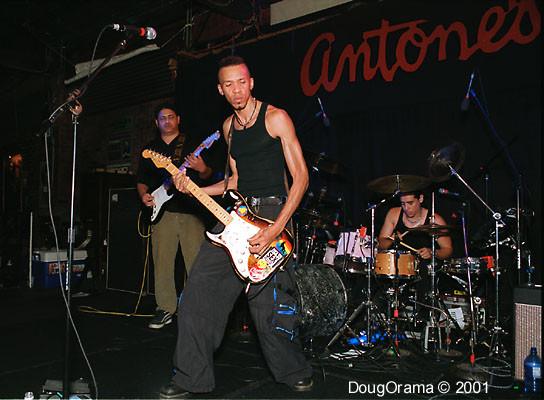
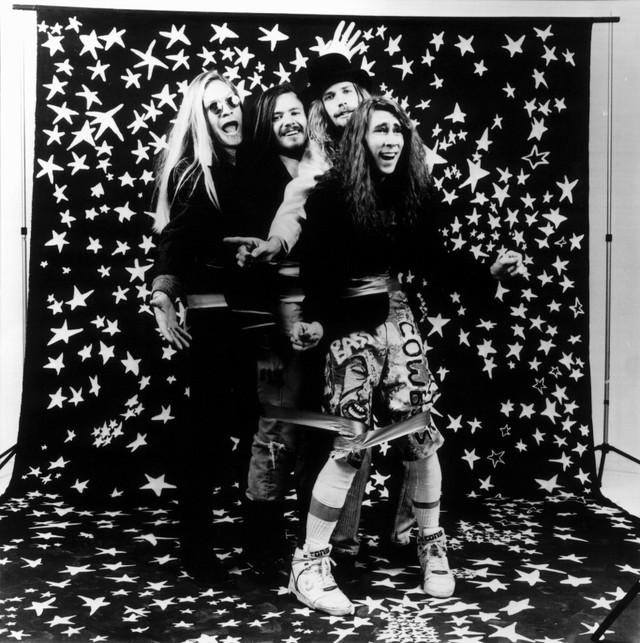
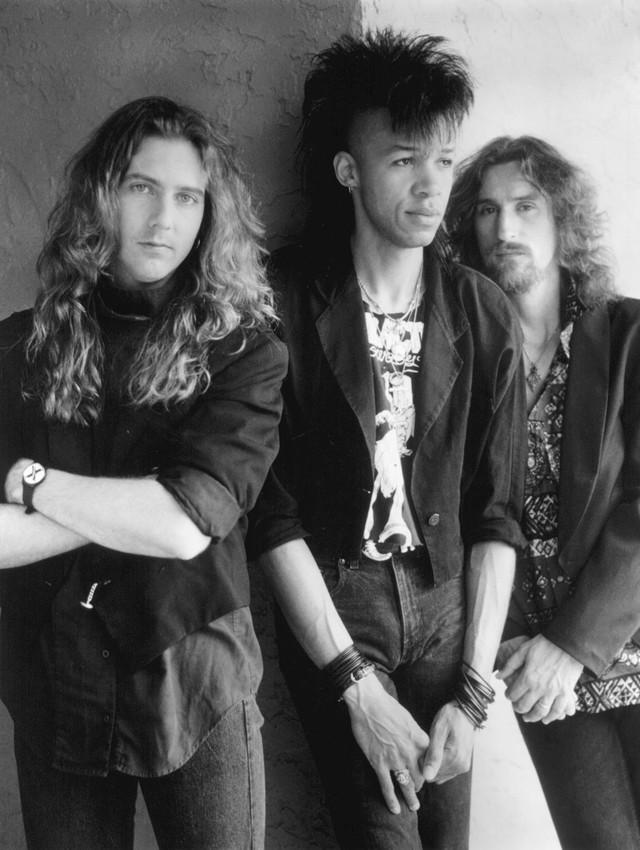
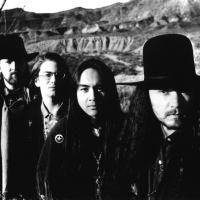
Atomic Opera’s Spotify BioInspired by the Beatles/Queen-influenced progressive metal and spiritual focus of King's X (with whom he attended church while living in Springfield, MO), guitarist/vocalist/cellist Frank Hart founded Atomic Opera in Houston in the early '90s. With a lineup also featuring rhythm guitarist Jonathan Marshal, bassist Jonas Velasco, and drummer Mark Poindexter, Atomic Opera signed to the Giant subsidiary Collision Arts and recorded their 1994 debut album For Madmen Only with producer Sam Taylor. Though Giant had backing from Warner Bros., Collision Arts soon went bankrupt, and Atomic Opera took to releasing records through their fan club and website; Alphas & Oranges (a collection of studio outtakes from 1990-1993) andPenguin Dust were distributed this way. By the time the latter had been issued in 1997, Hart was working with a completely different band: Kemper Crabb, who played mandolin and various other stringed instruments and was formerly in the Christian-oriented folk group Caedmon's… Call, bassist and stick player Ryan Birsinger, and drummer John Simmons. With Crabb adding a distinctive folk influence to Atomic Opera's melodic prog-metal, the group caught the attention of Metal Blade, which signed them in 1999. Atomic Opera immediately began work on a new album, which was released in 2000 under the title Gospel Cola. ~ Steve Huey, Rovi
Viberate is a music analytics platform built for A&Rs, artist managers, labels, booking agents, marketers, and artists.
It helps music professionals track artist growth, analyze audience data, monitor playlist activity, compare artists, follow song performance, and identify opportunities across the music market.
Public artist pages provide a free preview of selected artist data. Paid plans provide access to deeper analytics, historical data, charts, comparisons, playlist tools, exports, alerts, reports, and additional professional features.
Yes. Public Viberate artist pages provide selected artist analytics and music data for free.
Viberate also offers a 7-day free trial of the full platform. A credit card is required to start the trial. The trial includes access to the complete product so users can test deeper artist analytics, historical views, playlist insights, comparisons, charts, exports, alerts, and reporting features before choosing a paid plan.
Viberate provides artist analytics across streaming, playlists, social media, video, radio airplay, songs, and audience markets.
Users can analyze Spotify performance, Spotify and Apple Music playlists, YouTube activity, TikTok and Instagram growth, radio spins, song performance, audience locations, demographics, rankings, and overall artist momentum.
Artist profiles also connect to music charts, similar artists, and comparison tools, helping users benchmark performance and evaluate artists in context.
Viberate updates key artist and track data daily.
For followed artists and tracks, selected data is refreshed multiple times per day. This helps teams monitor playlist changes, streaming movement, audience growth, releases, and campaign performance with more current data.
Update frequency can vary depending on the metric and data source.
Yes. Viberate lets users compare up to five artists side by side across streaming, social media, audience, and engagement metrics.
Users can compare fanbase growth, audience demographics, locations, Spotify performance, social metrics, and other artist data over selected time periods.
Artist comparison can be used for A&R scouting, benchmarking, booking decisions, campaign planning, and evaluating artists with similar audiences or market positions.