Lars Gullin

Jazz
Bebop
Smooth Jazz
 Viberate Rank: 216445
 Viberate Rank: 216445
 Monthly ListenersFollowers
 Subscribers
 Followers
 Followers
 FansTop Spotify Songs
| Track | 7-Day Streams | |
|---|---|---|
1 | 21.33K | |
2 | 2.02K | |
3 | 1.46K | |
4 | 1.01K | |
5 | 926 |
Top YouTube VideosMonthly ListenersFeatured in Playlists| Playlist | Followers | |
|---|---|---|
1 |  Jazz Classics Spotify | 5.08M |
2 |  Jazz Noir Spotify | 349.67K |
3 |  Haruki Murakami's vinyl collection Masamaro | 109.94K |
4 |  slow jazz Joel Krigström | 64.67K |
5 |  JAZZ CHILLOUT 1296362009 | 44.19K |
Audience| City | Monthly Listeners | |
|---|---|---|
1 | | 1.93K |
2 | | 816 |
3 |  | 653 |
4 |  | 646 |
5 |  | 611 |
See full performance history, audience data, playlist activity, rankings, comparisons, and more in Viberate music analytics. Start with a free trial, then continue with a paid plan.
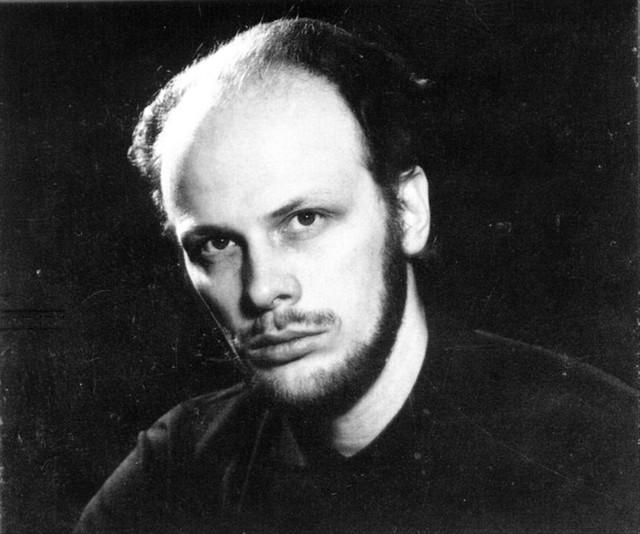
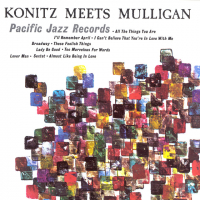
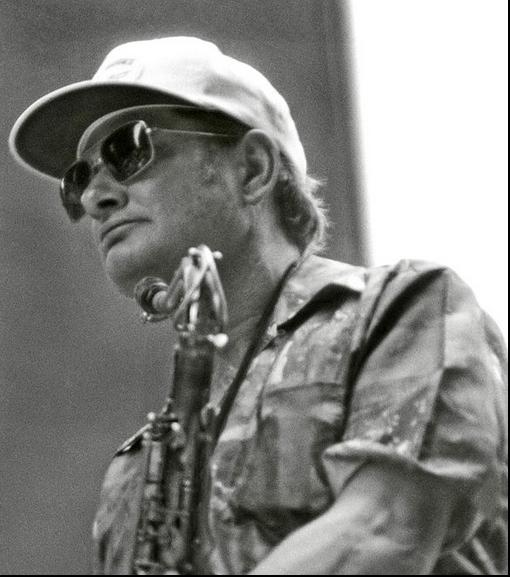
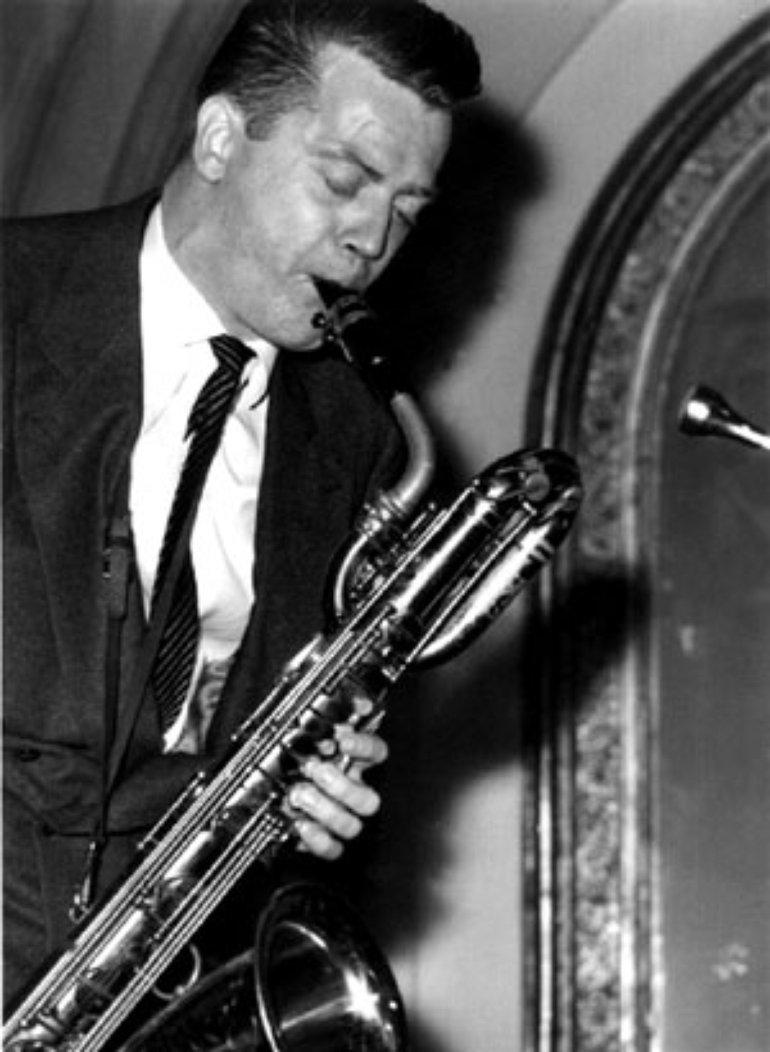
Lars Gullin’s Spotify BioOne of the top baritone saxophonists of all time and a giant of European jazz, Lars Gullin would be better known today if he had visited the U.S. often and if excessive drug use had not cut short his career. Early on he learned to play bugle, clarinet, and piano, and was actually a professional altoist until switching to baritone when he was 21. Sounding somewhere between Gerry Mulligan and Serge Chaloff, Gullin played in local big bands in the late '40s and was in Arne Domnerus' sextet (1951-1953), but is best known for his own small-group recordings. He played with such touring Americans as Lee Konitz (a major influence), James Moody, Clifford Brown, Zoot Sims, and Chet Baker, and recorded frequently during 1951-1960, with "Danny's Dream" being his most famous composition. Gullin also recorded a bit during 1964-1965, but made only one later session (1973). Despite a lot of accomplishments in the 1950s, he did not live up to his enormous potential. Gullin can be heard at his best on… five Dragon CDs released as The Great Lars Gullin, Vols. 1-5. ~ Scott Yanow, Rovi
Viberate is a music analytics platform built for A&Rs, artist managers, labels, booking agents, marketers, and artists.
It helps music professionals track artist growth, analyze audience data, monitor playlist activity, compare artists, follow song performance, and identify opportunities across the music market.
Public artist pages provide a free preview of selected artist data. Paid plans provide access to deeper analytics, historical data, charts, comparisons, playlist tools, exports, alerts, reports, and additional professional features.
Yes. Public Viberate artist pages provide selected artist analytics and music data for free.
Viberate also offers a 7-day free trial of the full platform. A credit card is required to start the trial. The trial includes access to the complete product so users can test deeper artist analytics, historical views, playlist insights, comparisons, charts, exports, alerts, and reporting features before choosing a paid plan.
Viberate provides artist analytics across streaming, playlists, social media, video, radio airplay, songs, and audience markets.
Users can analyze Spotify performance, Spotify and Apple Music playlists, YouTube activity, TikTok and Instagram growth, radio spins, song performance, audience locations, demographics, rankings, and overall artist momentum.
Artist profiles also connect to music charts, similar artists, and comparison tools, helping users benchmark performance and evaluate artists in context.
Viberate updates key artist and track data daily.
For followed artists and tracks, selected data is refreshed multiple times per day. This helps teams monitor playlist changes, streaming movement, audience growth, releases, and campaign performance with more current data.
Update frequency can vary depending on the metric and data source.
Yes. Viberate lets users compare up to five artists side by side across streaming, social media, audience, and engagement metrics.
Users can compare fanbase growth, audience demographics, locations, Spotify performance, social metrics, and other artist data over selected time periods.
Artist comparison can be used for A&R scouting, benchmarking, booking decisions, campaign planning, and evaluating artists with similar audiences or market positions.