Jan Johansson

Jazz
Free Jazz
Mainstream Pop
 Viberate Rank: 97247
 Viberate Rank: 97247
 Monthly ListenersFollowers
 Subscribers
 Followers
 Followers
 FansTop Spotify Songs
| Track | 7-Day Streams | |
|---|---|---|
1 | 43.91K | |
2 | 34.98K | |
3 | 34.11K | |
4 | 12.45K | |
5 | 10.74K |
Top YouTube VideosMonthly ListenersFeatured in Playlists| Playlist | Followers | |
|---|---|---|
1 |  Jazz Classics Spotify | 5.08M |
2 |  Instrumental Jazz Standards Spotify | 184.17K |
3 |  Just Jazz Spotify | 173.67K |
4 |  Visa och vemod Spotify | 96.61K |
5 | Beautiful, Calming Classical Music vcmstow | 72.65K |
Audience| City | Monthly Listeners | |
|---|---|---|
1 | | 8.64K |
2 | | 3.62K |
3 |  | 3.25K |
4 |  | 1.71K |
5 | | 1.38K |
See full performance history, audience data, playlist activity, rankings, comparisons, and more in Viberate music analytics. Start with a free trial, then continue with a paid plan.
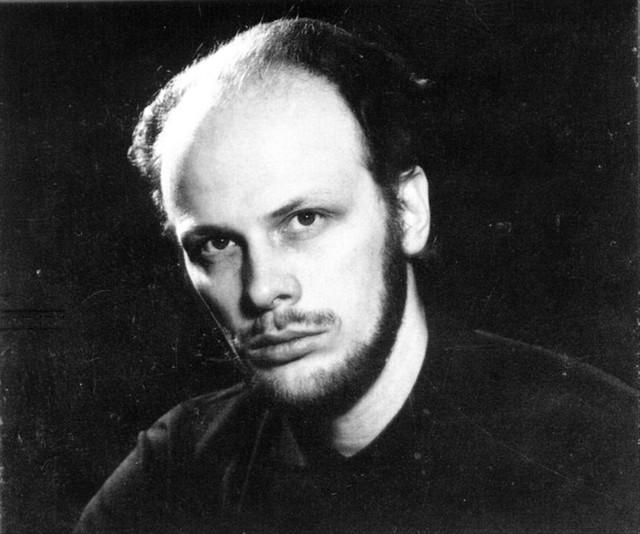
Jan Johansson’s Spotify BioAlthough not well known in the U.S., Jan Johansson was among Sweden's top jazz pianists of the 1950s and '60s and commanded tremendous respect in Scandinavian jazz circles. Johansson (who also played guitar, organ, and accordion) was born and raised in Soderhamn in Sweden's Halsingland province, where he studied classical piano as a child before becoming interested in swing and bebop as a teenager. As a high school student in the late '40s, he played locally with various Soderhamn swing and dance bands, including Gerhard's Orchestra, the Five Swingers, and the sextet of the Benny Goodman-influenced clarinetist Gunnar Hammarlund. After serving in the military, he moved to Goteborg (Sweden's second-largest city) in the early '50s and went on to be employed as a sideman on sessions by big-band leader Kenneth Fagerlund in 1954-1955, and bassist Gunnar Johnson in the mid- to late '50s. Johansson's first sessions as a leader came in 1956, although he continued to be a member of Johnson's… quintet until its breakup in 1959. It was also during the '50s that Johansson came to the attention of Stan Getz, who spent a lot of time in Scandinavia and went on a six-week tour with Johnson's quintet in 1958. Getz loved the melodic nature of Johansson's playing, and the two had a strong rapport when playing or recording together in the late '50s and early '60s. Other Americans that Johansson shared the stage with ranged from bassist Oscar Pettiford to singer Helen Merrill, whom he backed during a two-week engagement at Copenhagen's Cafe Montmartre in 1960. Johansson was quite prolific in the '60s, when he continued to play bop but also explored the possibilities of modal post-bop, third stream and avant-garde jazz. In 1962, the pianist recorded his most famous album, Jazz pa Svenska. Translating to "Jazz in Swedish", the album underscored Johansson's love of traditional Swedish folk and (according to writer Erik Kjellberg) has sold more than 200,000 units over the years. In fact, one of the things Johansson became known for was his ability to provide jazz interpretations of Swedish folk songs. Tragically, Johansson's career came to an end on November 9, 1968, when he was killed in a car crash on a Swedish expressway. On December 16, 1968, a memorial concert was held at Stockholm's Concert Hall. Interest in Johansson's work remained long after his death. Heptagon (a label that his sons Anders and Jens founded in 1994) has reissued much of the pianist's work on CD, and in 1998, Kjellberg's Johansson biography, Jan Johansson: A Visionary Swedish Musician, was published in both English and Swedish. ~ Alex Henderson, Rovi
Viberate is a music analytics platform built for A&Rs, artist managers, labels, booking agents, marketers, and artists.
It helps music professionals track artist growth, analyze audience data, monitor playlist activity, compare artists, follow song performance, and identify opportunities across the music market.
Public artist pages provide a free preview of selected artist data. Paid plans provide access to deeper analytics, historical data, charts, comparisons, playlist tools, exports, alerts, reports, and additional professional features.
Yes. Public Viberate artist pages provide selected artist analytics and music data for free.
Viberate also offers a 7-day free trial of the full platform. A credit card is required to start the trial. The trial includes access to the complete product so users can test deeper artist analytics, historical views, playlist insights, comparisons, charts, exports, alerts, and reporting features before choosing a paid plan.
Viberate provides artist analytics across streaming, playlists, social media, video, radio airplay, songs, and audience markets.
Users can analyze Spotify performance, Spotify and Apple Music playlists, YouTube activity, TikTok and Instagram growth, radio spins, song performance, audience locations, demographics, rankings, and overall artist momentum.
Artist profiles also connect to music charts, similar artists, and comparison tools, helping users benchmark performance and evaluate artists in context.
Viberate updates key artist and track data daily.
For followed artists and tracks, selected data is refreshed multiple times per day. This helps teams monitor playlist changes, streaming movement, audience growth, releases, and campaign performance with more current data.
Update frequency can vary depending on the metric and data source.
Yes. Viberate lets users compare up to five artists side by side across streaming, social media, audience, and engagement metrics.
Users can compare fanbase growth, audience demographics, locations, Spotify performance, social metrics, and other artist data over selected time periods.
Artist comparison can be used for A&R scouting, benchmarking, booking decisions, campaign planning, and evaluating artists with similar audiences or market positions.