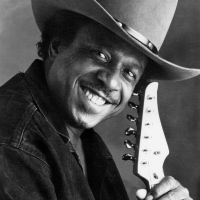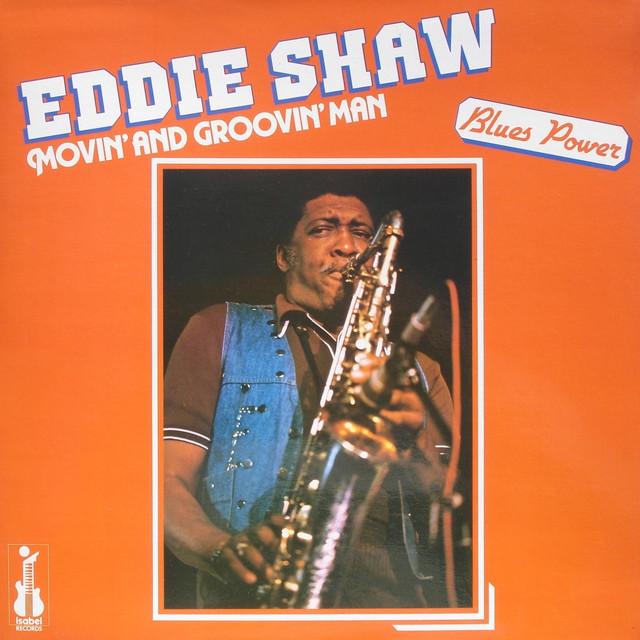
Eddie Shaw

Blues
Contemporary Blues
Classic Blues
 Viberate Rank: 204076
 Viberate Rank: 204076
 Monthly ListenersFollowers
 Subscribers
 Followers
 Followers
 FansTop Spotify Songs
| Track | 7-Day Streams | |
|---|---|---|
1 | 23.09K | |
2 | 5.17K | |
3 | 4.79K | |
4 | 1.63K | |
5 | 1.54K |
Top YouTube VideosMonthly ListenersFeatured in Playlists| Playlist | Followers | |
|---|---|---|
1 |  Chicago Blues Spotify | 191.01K |
2 |  Whiskey Blues 🥃 Тhe Original | The Best Slow Blues / Blues Rock Don's Tunes | 85.92K |
3 |  Greatest Blues Jared Kerkhof | 56.16K |
4 |  Don's Tunes | Blues & Jazz Playlist | Official Don's Tunes | 50.96K |
5 |  Blues Ballads/ Slow Blues Joar Fosså | 39.54K |
Audience| City | Monthly Listeners | |
|---|---|---|
1 |  | 1.46K |
2 |  | 717 |
3 | | 667 |
4 | | 602 |
5 |  | 579 |
See full performance history, audience data, playlist activity, rankings, comparisons, and more in Viberate music analytics. Start with a free trial, then continue with a paid plan.
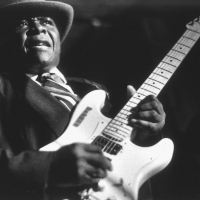
Eddie Shaw’s Spotify BioWhen it comes to blues, Chicago's strictly a guitar and harmonica town. Saxophonists who make a living leading a blues band in the Windy City are scarce as hen's teeth. But Eddie Shaw did precisely that after his longtime boss, Howlin' Wolf, died in 1976. The powerfully constructed tenor saxist rubbed elbows with an amazing array of luminaries over his 60-plus years in the business. By the time he was 14, Shaw was jamming with Ike Turner's combo around Greenville, Mississippi. At a gig in Itta Bena where Shaw sat in, Muddy Waters extended the young saxman an invitation he couldn't refuse: a steady job with Waters' unparalleled band in Chicago. After a few years, Shaw switched his on-stage allegiance to Waters' chief rival, the ferocious Howlin' Wolf, staying with him until the very end and eventually graduating to a featured role as Wolf's bandleader. Shaw also shared a West Side bandstand or two along the way with Freddie King, Otis Rush, and Magic Sam. The saxist did a 1966 session… with Sam that produced his first single, the down-in-the-alley instrumental "Blues for the West Side" (available on Delmark's Sweet Home Chicago anthology). Shaw also blew his heart out on Sam's 1968 Delmark encore LP, Black Magic.
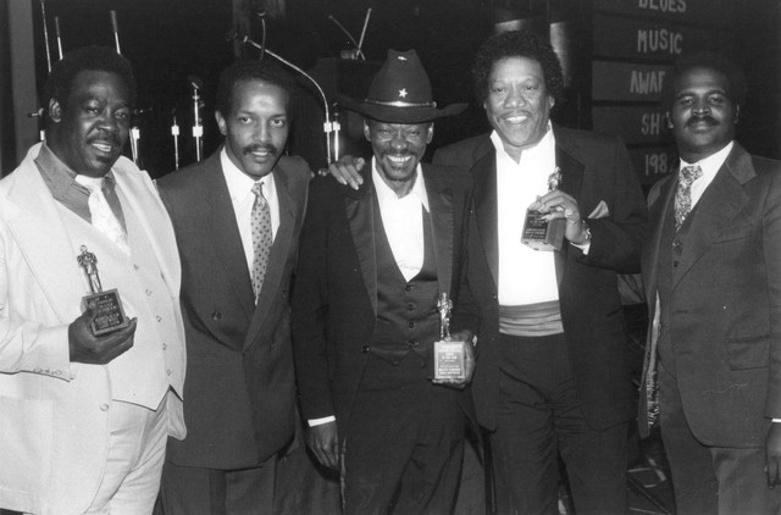
Eddie Shaw's own solo recording career finally took off during the late '70s, with a standout appearance on Alligator's Living Chicago Blues, Vol. 1 anthology in 1978, followed by his own LPs for Simmons, Rooster Blues (In the Land of the Crossroads), and the Austrian Wolf imprint, for whom he recorded from the '90s into the 21st century with albums such as Home Alone (1995), The Blues Is Nothing But Good News! (1996), Too Many Highways (1999), and Give Me Time (2005). (Shaw's lead guitar-playing son Eddie, Jr. -- aka Vaan Shaw -- became a member of his father's band and also recorded for the Wolf label; his other son, Stan Shaw, is a noted film and TV actor.) In 2012, Stringtown Records released Still Riding High by Eddie Shaw & the 757 Allstars. Shaw won Blues Music Awards in 2013 and 2014, and Chicago mayor Rahm Emanuel proclaimed May 3 as Eddie Shaw Day in the city. After his long and illustrious blues career, Eddie Shaw died in Chicago in January 2018 at the age of 80. ~ Bill Dahl, Rovi
Viberate is a music analytics platform built for A&Rs, artist managers, labels, booking agents, marketers, and artists.
It helps music professionals track artist growth, analyze audience data, monitor playlist activity, compare artists, follow song performance, and identify opportunities across the music market.
Public artist pages provide a free preview of selected artist data. Paid plans provide access to deeper analytics, historical data, charts, comparisons, playlist tools, exports, alerts, reports, and additional professional features.
Yes. Public Viberate artist pages provide selected artist analytics and music data for free.
Viberate also offers a 7-day free trial of the full platform. A credit card is required to start the trial. The trial includes access to the complete product so users can test deeper artist analytics, historical views, playlist insights, comparisons, charts, exports, alerts, and reporting features before choosing a paid plan.
Viberate provides artist analytics across streaming, playlists, social media, video, radio airplay, songs, and audience markets.
Users can analyze Spotify performance, Spotify and Apple Music playlists, YouTube activity, TikTok and Instagram growth, radio spins, song performance, audience locations, demographics, rankings, and overall artist momentum.
Artist profiles also connect to music charts, similar artists, and comparison tools, helping users benchmark performance and evaluate artists in context.
Viberate updates key artist and track data daily.
For followed artists and tracks, selected data is refreshed multiple times per day. This helps teams monitor playlist changes, streaming movement, audience growth, releases, and campaign performance with more current data.
Update frequency can vary depending on the metric and data source.
Yes. Viberate lets users compare up to five artists side by side across streaming, social media, audience, and engagement metrics.
Users can compare fanbase growth, audience demographics, locations, Spotify performance, social metrics, and other artist data over selected time periods.
Artist comparison can be used for A&R scouting, benchmarking, booking decisions, campaign planning, and evaluating artists with similar audiences or market positions.