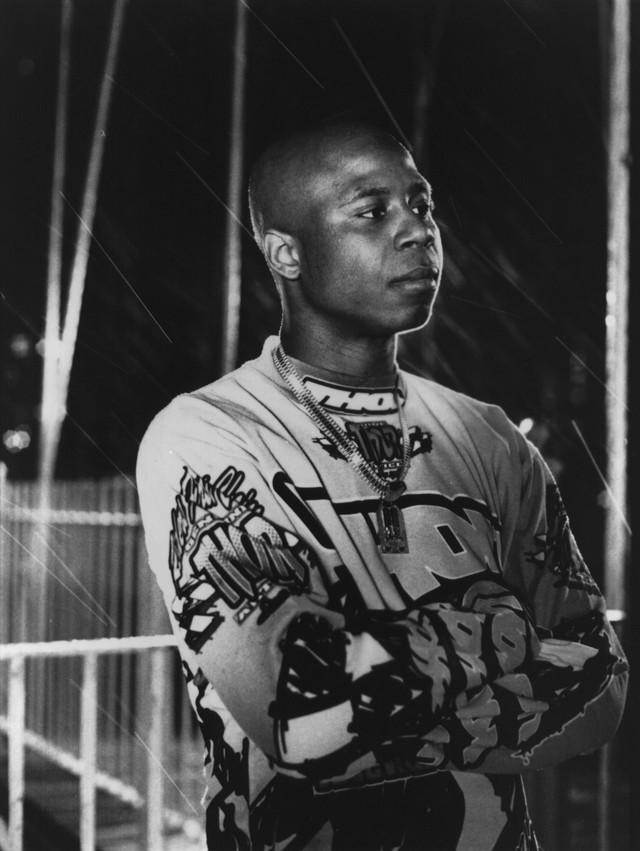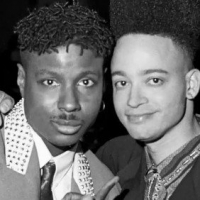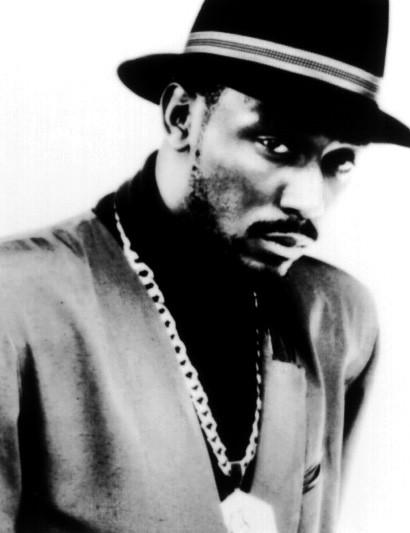
Kool Moe Dee

Hip Hop
Alternative Hip Hop
Contemporary R&B
 Viberate Rank: 20455
 Viberate Rank: 20455
 Monthly ListenersFollowers
 Subscribers
 Followers
 Followers
 FansTop Spotify Songs
| Track | 7-Day Streams | |
|---|---|---|
1 | 800.20K | |
2 | 47.03K | |
3 | 13.67K | |
4 | 11.80K | |
5 | 9.74K |
Top YouTube VideosMonthly ListenersFeatured in Playlists| Playlist | Followers | |
|---|---|---|
1 |  Old School Hip Hop Filtr Sweden | 779.30K |
2 |  I Love My '80s Hip-Hop Spotify | 459.54K |
3 |  Top 100 Running Songs 👟 brycej8 | 379.52K |
4 |  SUMMER HITS 2000-2022🍹 1159594076 | 277.20K |
5 |  This Is Macklemore Spotify | 210.49K |
Audience| City | Monthly Listeners | |
|---|---|---|
1 |  | 14.36K |
2 | | 2.13K |
3 | | 2.08K |
4 | | 1.86K |
5 | | 1.67K |
See full performance history, audience data, playlist activity, rankings, comparisons, and more in Viberate music analytics. Start with a free trial, then continue with a paid plan.
Kool Moe Dee’s Spotify BioA member of one of the original hip-hop crews, Treacherous Three, Kool Moe Dee later became a solo star in his own right in 1986 by teaming with a teenaged Teddy Riley (later famed as the king of new jack swing) on the crossover hit "Go See the Doctor." The single earned him a contract with Jive Records, for which he recorded three successful late-'80s albums, dominated by his skillful speed-raps. A long-running feud with LL Cool J -- who stole his aggressive stance and rapping style, he claims -- gained Kool Moe Dee headlines for awhile, but he began to fade by the early '90s.
Born Mohandas Dewese in 1963, Dee was an early hit at local block parties, performing with high-school buddies L.A. Sunshine and Special K plus DJ Easy Lee as Treacherous Three. Introduced to longtime producer Bobby Robinson (Gladys Knight, the Orioles) by Spoonie Gee, Treacherous Three debuted on wax in 1980 with "The New Rap Language," released on Robinson's Enjoy Records. "Body Rock" and "Feel the Heartbeat"… followed during 1980-1981 before Robinson sold the group's contract to Sugar Hill Records. Treacherous Three recorded several singles for Sugar Hill, but broke up by the mid-'80s.
Instead of climbing aboard the solo wagon after the breakup, Kool Moe Dee enrolled in college. After earning a communications degree from SUNY, he enlisted an unknown producer for his solo debut, "Go See the Doctor." The 17-year-old Teddy Riley more than vindicated himself, though, and the single became an underground hit. By 1986, Kool Moe Dee was signed to Jive Records, and his self-titled debut album appeared that same year.
With 1987's How Ya Like Me Now, Dee struck back at the brash young generation who had forsaken their forebears; the cover featured a red Kangol hat -- the prominent trademark of LL Cool J -- being crushed by the wheel of a Jeep. The album went platinum and was followed two years later by the gold-certified Knowledge Is King, for which Dee became the first rapper to perform at the Grammy Awards ceremonies. Also in 1989, Dee worked on two important projects: the single "Self-Destruction," recorded in conjunction with KRS-One's Stop the Violence Movement; and Quincy Jones' all-star Back on the Block LP, which united hip-hop stars with their musical forebears.
Kool Moe Dee's fourth album, Funke Funke Wisdom was a bit of a disappointment when compared to his earlier successes, and Jive/RCA dropped him after releasing his Greatest Hits package in 1993. Hardly washed up, though, Dee recorded a Treacherous 3 reunion album in 1993 and signed to DJ Easy Lee's label for the 1994 album Interlude. The title wasn't quite prophetic, however, it being his last album. ~ John Bush, Rovi
Viberate is a music analytics platform built for A&Rs, artist managers, labels, booking agents, marketers, and artists.
It helps music professionals track artist growth, analyze audience data, monitor playlist activity, compare artists, follow song performance, and identify opportunities across the music market.
Public artist pages provide a free preview of selected artist data. Paid plans provide access to deeper analytics, historical data, charts, comparisons, playlist tools, exports, alerts, reports, and additional professional features.
Yes. Public Viberate artist pages provide selected artist analytics and music data for free.
Viberate also offers a 7-day free trial of the full platform. A credit card is required to start the trial. The trial includes access to the complete product so users can test deeper artist analytics, historical views, playlist insights, comparisons, charts, exports, alerts, and reporting features before choosing a paid plan.
Viberate provides artist analytics across streaming, playlists, social media, video, radio airplay, songs, and audience markets.
Users can analyze Spotify performance, Spotify and Apple Music playlists, YouTube activity, TikTok and Instagram growth, radio spins, song performance, audience locations, demographics, rankings, and overall artist momentum.
Artist profiles also connect to music charts, similar artists, and comparison tools, helping users benchmark performance and evaluate artists in context.
Viberate updates key artist and track data daily.
For followed artists and tracks, selected data is refreshed multiple times per day. This helps teams monitor playlist changes, streaming movement, audience growth, releases, and campaign performance with more current data.
Update frequency can vary depending on the metric and data source.
Yes. Viberate lets users compare up to five artists side by side across streaming, social media, audience, and engagement metrics.
Users can compare fanbase growth, audience demographics, locations, Spotify performance, social metrics, and other artist data over selected time periods.
Artist comparison can be used for A&R scouting, benchmarking, booking decisions, campaign planning, and evaluating artists with similar audiences or market positions.