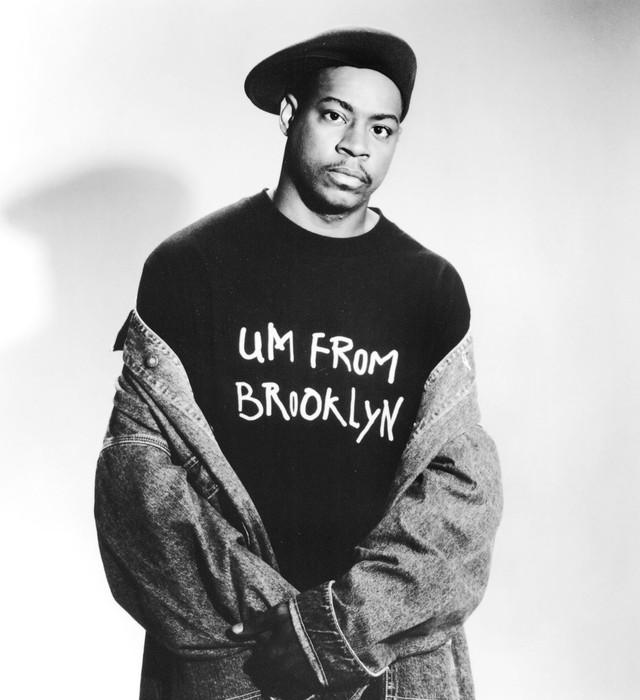
Kid 'N Play

Hip Hop
Contemporary Hip Hop
Contemporary R&B
 Viberate Rank: 52426
 Viberate Rank: 52426
 Monthly ListenersFollowers
 Subscribers
 Followers
 Followers
 FansTop Spotify Songs
| Track | 7-Day Streams | |
|---|---|---|
1 | 28.89K | |
2 | 16.82K | |
3 | 5.57K | |
4 | 4.58K | |
5 | 2.59K |
Top YouTube VideosMonthly ListenersFeatured in Playlists| Playlist | Followers | |
|---|---|---|
1 |  Clean Hip-Hop Classics Spotify | 128.16K |
2 |  Childhood Classics Tambo | 81.87K |
3 |  A stoner in the 90s playlist Maizie | 76.61K |
4 | BLACK SUMMER COOKOUT King Retro 1 | 66.97K |
5 |  Old School Breakdance Hip Hop 80's Chris Eir | 45.01K |
Audience| City | Monthly Listeners | |
|---|---|---|
1 | | 2.39K |
2 | | 2.33K |
3 | | 2.29K |
4 | | 2.06K |
5 | | 2.04K |
See full performance history, audience data, playlist activity, rankings, comparisons, and more in Viberate music analytics. Start with a free trial, then continue with a paid plan.
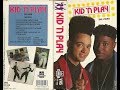
Kid 'N Play’s Spotify BioAmong the first groups to tame rap's hardcore mentality into a positive, message-oriented music suitable for teens and mass audiences, Kid 'n Play debuted in 1988 with the platinum album 2 Hype, which the duo later spun into a deal involving films and a Saturday-morning cartoon show, the first involving a rap act. Though their recording activity became limited during the gangsta-dominated '90s -- 1991's Face the Nation was their last album -- the group managed two sequels to their original House Party film, as well as the 1991 teen flick Class Act.
Kid (born Christopher Reid; Bronx, NY) and Play (born Christopher Martin; Queens, NY) first met while performing in rival high school groups (the Turnout Brothers and the Super Lovers, respectively) and initially teamed up as Fresh Force. Play's former bandmate, Hurby "Luv Bug" Azor, became the duo's manager and signed Kid 'n Play to Select Records in 1987. Despite the predominance of James Brown samples during the mid-'80s, Azor gave 2 Hype… a production job more rooted in disco and pop; thanks to the near-Top Ten R&B hit "Rollin' with Kid 'n Play," the album eventually reached platinum status. Though many rappers were more successful at the time, Kid 'n Play became film stars due to their clean-cut image -- Kid's six-inch "eraserhead" hairstyle, which seemed outrageous to white audiences, was vindicated by his honest, well-scrubbed face. The film House Party became a moderate success upon its release in 1990, and the duo even managed a proper LP that same year, Funhouse. During 1991, two Kid 'n Play films appeared: a sequel to House Party and Class Act. That same year, the album Face the Nation showed a growing reluctance to pander to pop audiences, but the duo was already entrenched in their style. A second sequel to House Party appeared in 1993, and little has been heard from them since. ~ John Bush, Rovi
Viberate is a music analytics platform built for A&Rs, artist managers, labels, booking agents, marketers, and artists.
It helps music professionals track artist growth, analyze audience data, monitor playlist activity, compare artists, follow song performance, and identify opportunities across the music market.
Public artist pages provide a free preview of selected artist data. Paid plans provide access to deeper analytics, historical data, charts, comparisons, playlist tools, exports, alerts, reports, and additional professional features.
Yes. Public Viberate artist pages provide selected artist analytics and music data for free.
Viberate also offers a 7-day free trial of the full platform. A credit card is required to start the trial. The trial includes access to the complete product so users can test deeper artist analytics, historical views, playlist insights, comparisons, charts, exports, alerts, and reporting features before choosing a paid plan.
Viberate provides artist analytics across streaming, playlists, social media, video, radio airplay, songs, and audience markets.
Users can analyze Spotify performance, Spotify and Apple Music playlists, YouTube activity, TikTok and Instagram growth, radio spins, song performance, audience locations, demographics, rankings, and overall artist momentum.
Artist profiles also connect to music charts, similar artists, and comparison tools, helping users benchmark performance and evaluate artists in context.
Viberate updates key artist and track data daily.
For followed artists and tracks, selected data is refreshed multiple times per day. This helps teams monitor playlist changes, streaming movement, audience growth, releases, and campaign performance with more current data.
Update frequency can vary depending on the metric and data source.
Yes. Viberate lets users compare up to five artists side by side across streaming, social media, audience, and engagement metrics.
Users can compare fanbase growth, audience demographics, locations, Spotify performance, social metrics, and other artist data over selected time periods.
Artist comparison can be used for A&R scouting, benchmarking, booking decisions, campaign planning, and evaluating artists with similar audiences or market positions.