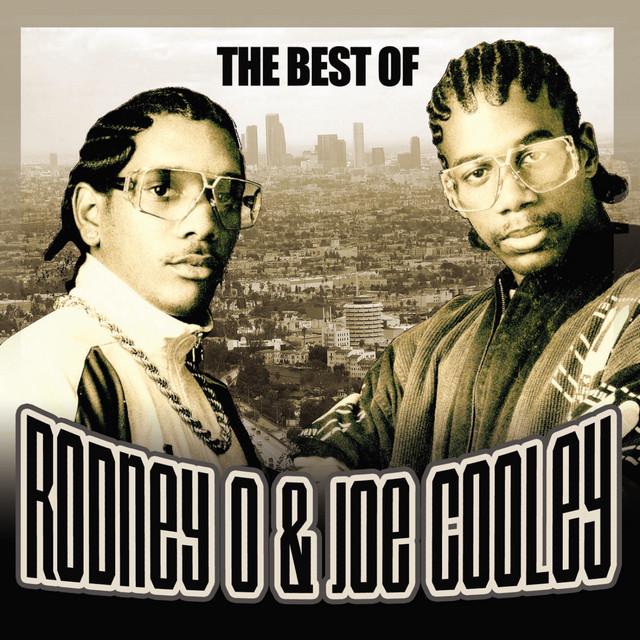
Whodini

Hip Hop
Boom Bap
Contemporary R&B
 Viberate Rank: 37285
 Viberate Rank: 37285
 Monthly ListenersFollowers
 Subscribers
 Followers
 Followers
 FansTop Spotify Songs
| Track | 7-Day Streams | |
|---|---|---|
1 | 37.23K | |
2 | 29.00K | |
3 | 21.71K | |
4 | 15.29K | |
5 | 9.71K |
Top YouTube Videos| Video | 7-Day Views | |
|---|---|---|
1 | 50.04K | |
2 | 38.84K | |
3 | 30.14K | |
4 | 30.08K | |
5 | 16.17K |
Monthly ListenersFeatured in Playlists| Playlist | Followers | |
|---|---|---|
1 |  Old School Hip Hop Filtr Sweden | 779.30K |
2 |  I Love My '80s Hip-Hop Spotify | 459.54K |
3 |  I Love My 80s Funk Spotify | 316.54K |
4 |  HALLOWEEN PARTY 2026 👻 Filtr US | 316.58K |
5 |  808 Classics Spotify | 175.67K |
Audience| City | Monthly Listeners | |
|---|---|---|
1 |  | 14.52K |
2 | | 9.40K |
3 | | 5.84K |
4 | | 5.14K |
5 | | 5.03K |
See full performance history, audience data, playlist activity, rankings, comparisons, and more in Viberate music analytics. Start with a free trial, then continue with a paid plan.
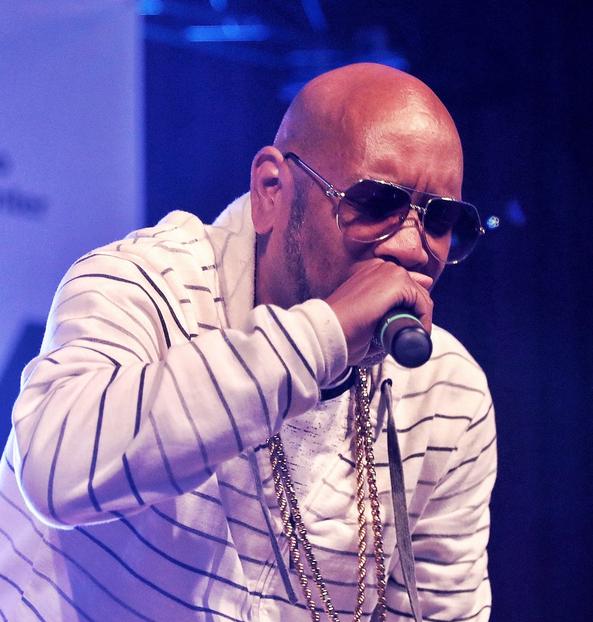
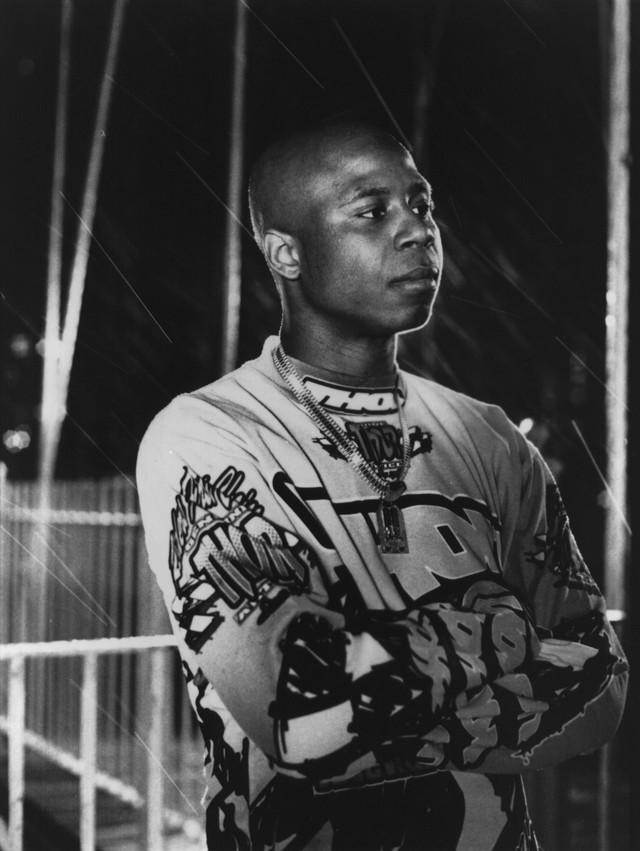
Whodini’s Spotify BioComing out of the fertile early-'80s New York hip-hop scene, Whodini were one of the first rap groups to add a straight R&B twist to their music, laying the groundwork for the new jack swing movement. The group scored several major hits throughout the '80s, including the Thomas Dolby-produced "Magic's Wand" from their self-titled 1983 debut, to dancefloor classics like "Friends" and "Freaks Come Out at Night" from 1984's platinum Escape. Whodini slowed down in the '90s, releasing no new music after 1996's Six, but the impressions left by their earliest material continued to be felt in new waves of rap, pop, and dance music.
Whodini formed in 1982, consisting of rappers Jalil Hutchins and John "Ecstasy" Fletcher, and legendary DJ Drew "Grandmaster Dee" Carter, known for being able to scratch records with nearly every part of his body. Whodini's self-titled 1983 album made a splash with rhythm-heavy hip-hop songs like "Magic's Wand" (the first rap song to feature an accompanying video),… and "The Haunted House of Rock," a rewrite of "Monster Mash." The next year's Escape would be the group's biggest commercial success, selling in platinum numbers on the back of singles "Big Mouth," "Friends," and "Freaks Come Out at Night." The band explored the intersection of rap and R&B on the album, and their stage shows when touring in support of the album were the first rap concerts to feature official dancers (U.T.F.O. members Doctor Ice and Kangol Kid). Third album Back in Black arrived in 1986, selling less than Escape but still performing respectably. Following their fourth album, 1987's Open Sesame, Whodini went on hiatus due to problems with their record company, and to concentrate on their respective new families. The group signed on with MCA Records for their 1991 album Bag-a-Trix, at this point known more for their samples being used by newer artists than their contemporaneous output. In 1996, the group released their sixth album, Six, on Jermaine Dupri's So So Def label; it would be the final album of new material from the group, though their legacy and influence continued to grow over the next several decades as new fans and artists discovered their innovative albums. Whodini's music, particularly their material from the early '80s, was included in multiple collections of genre-defining early hip-hop, and they toured sporadically throughout the 2000s and beyond. Founding member John "Ecstasy" Fletcher died on December 23, 2020 at the age of 56. ~ Fred Thomas & Steve Huey, Rovi
Viberate is a music analytics platform built for A&Rs, artist managers, labels, booking agents, marketers, and artists.
It helps music professionals track artist growth, analyze audience data, monitor playlist activity, compare artists, follow song performance, and identify opportunities across the music market.
Public artist pages provide a free preview of selected artist data. Paid plans provide access to deeper analytics, historical data, charts, comparisons, playlist tools, exports, alerts, reports, and additional professional features.
Yes. Public Viberate artist pages provide selected artist analytics and music data for free.
Viberate also offers a 7-day free trial of the full platform. A credit card is required to start the trial. The trial includes access to the complete product so users can test deeper artist analytics, historical views, playlist insights, comparisons, charts, exports, alerts, and reporting features before choosing a paid plan.
Viberate provides artist analytics across streaming, playlists, social media, video, radio airplay, songs, and audience markets.
Users can analyze Spotify performance, Spotify and Apple Music playlists, YouTube activity, TikTok and Instagram growth, radio spins, song performance, audience locations, demographics, rankings, and overall artist momentum.
Artist profiles also connect to music charts, similar artists, and comparison tools, helping users benchmark performance and evaluate artists in context.
Viberate updates key artist and track data daily.
For followed artists and tracks, selected data is refreshed multiple times per day. This helps teams monitor playlist changes, streaming movement, audience growth, releases, and campaign performance with more current data.
Update frequency can vary depending on the metric and data source.
Yes. Viberate lets users compare up to five artists side by side across streaming, social media, audience, and engagement metrics.
Users can compare fanbase growth, audience demographics, locations, Spotify performance, social metrics, and other artist data over selected time periods.
Artist comparison can be used for A&R scouting, benchmarking, booking decisions, campaign planning, and evaluating artists with similar audiences or market positions.