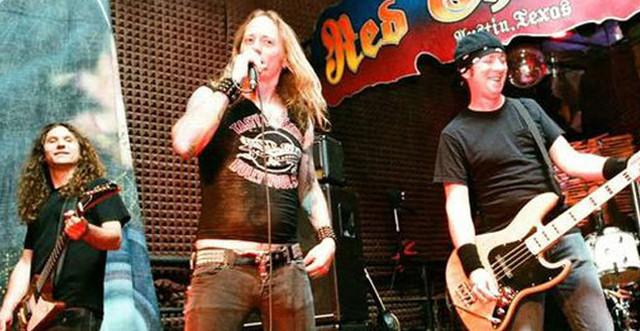
Junkyard

Rock
Hard Rock
Glam Metal
 Viberate Rank: 133566
 Viberate Rank: 133566
 Monthly ListenersFollowers
 Subscribers
 Followers
 Followers
 FansTop Spotify Songs
| Track | 7-Day Streams | |
|---|---|---|
1 | 3.21K | |
2 | 1.94K | |
3 | 1.07K | |
4 | 826 | |
5 | 791 |
Top YouTube Videos| Video | 7-Day Views | |
|---|---|---|
1 | 3.48K | |
2 | 2.39K | |
3 | 7 |
Monthly ListenersFeatured in Playlists| Playlist | Followers | |
|---|---|---|
1 |  80's Hair Bands Greatest Hits Bob Sheridan | 64.07K |
2 | Hank Moody's playlist Pierre Leroy | 25.54K |
3 | 80er Party vincent_boeger | 23.86K |
4 |  Californication Soundtrack Sjoerd | 20.62K |
5 | Californication (S1-S7) soundtracks Katia Muscariello | 19.52K |
Audience| City | Monthly Listeners | |
|---|---|---|
1 | | 457 |
2 | | 414 |
3 | | 292 |
4 | | 258 |
5 | | 255 |
See full performance history, audience data, playlist activity, rankings, comparisons, and more in Viberate music analytics. Start with a free trial, then continue with a paid plan.
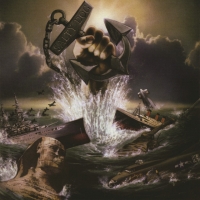
Junkyard’s Spotify BioA gritty, streetwise rock band with a bluesy undercurrent, Junkyard's music was steeped in hard rock, Southern rock, and metal, but their roots were in punk, and two key members got their start in influential hardcore acts of the '80s. Often compared to Guns N' Roses, Junkyard shared their passion for unpretentious riffage drawn from the influences of '70s hard rock with a swagger that made their good times seem more than a little dangerous. At the same time, their blues influences were closer to the surface, and if the music was a far cry from punk, the raw edges of their early influences were there if you were looking for them. The very '80s hard rock production of their self-titled 1989 debut clearly reflected their label's desire to market the next big hard rock/metal sensation, while 1991's Sixes, Sevens & Nines had a leaner, more cohesive sound that better represented their ambitions. Their 2017 comeback album, High Water, was in the same stylistic territory as their original… studio albums, but with a greater speed and snarkier attitude that boosted their punk rock influences in the mix.
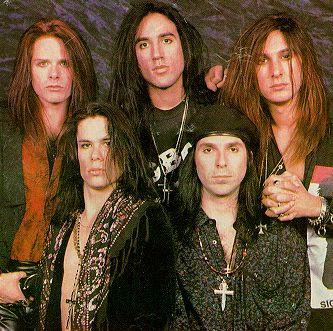
Junkyard were formed in Los Angeles, California in 1987. They formed with a bunch of like-minded acts who were tired of the L.A. hair metal scene and the pay-to-play gigs that had come to dominate many Hollywood venues. Playing smaller, more artist-friendly clubs like Raji's, White Trash a Go-Go, and Club Lingerie, Junkyard opted for a rougher sound and more dangerous image, suggesting a handful of bikers who somehow learned to play instruments. The original lineup included singer David Roach, guitarist Max Gottlieb, bassist Clay Anthony, and drummer Johnny Hell. By the time Junkyard began making a name for themselves as a live act, Gottlieb and Hell were out, and guitarist Chris Gates, formerly of the Texas punk-funk act the Big Boys, and drummer Patrick Muzingo were in. In 1988, Junkyard landed a recording contract with Geffen Records, and they soon expanded to a five-piece with the addition of guitarist Brian Baker, whose résumé included stints with Minor Threat, the Meatmen, and Dag Nasty.
With a solid lineup in place, Junkyard rolled into the studio with producer Tom Werman and knocked out their self-titled debut album, which Geffen issued in 1989. The band promoted the album with plenty of touring, and the tracks "Simple Man" and "Hollywood" were spun off as singles. The album's sales were modest (it only rose to 105 on the Top 200 albums chart), and a follow-up didn't arrive until 1991. Sixes, Sevens & Nines was issued by Geffen in May 1991, and was produced by Ed Stasium, with guest vocals from Steve Earle. The second album failed to chart at all, and the rigors of frequent touring were taking a toll; not long before the album was set to drop, bassist Clay Anthony quit as he struggled with substance abuse, while Todd Muscat took over on bass. After several more rounds of live work, the group began work on their third album. However, with the sudden success of Nirvana changing priorities at Geffen, Junkyard were given their pink slips, and the group decided to break up. The material from the sessions for the unreleased third LP would appear on a pair of limited-edition CD-Rs, Joker and XXX, both issued in 1998.
After Junkyard's split, the members went on to other projects. David Roach started a group called Borracho, Chris Gates founded the band 99 lbs., and Brian Baker joined veteran SoCal punks Bad Religion. But while Junkyard's audience wasn't huge, it was powerfully loyal, and after Shut Up -- We're Tryin' to Practice (a live album documenting a show in Hollywood from 1989) came out in 2000, Junkyard felt it was time to take another stab at the gold ring. With returning members David Roach, Chris Gates, Todd Muscat, and Patrick Muzingo joined by guitarist Tim Mosher, Junkyard toured the United States and Japan, and in 2003 they brought out Tried and True, a six-song EP devoted to new recordings of old material as well as some fresh songs. For the next several years, Junkyard toured sporadically in the United States and abroad; Brian Baker rejoined the band in 2006, while Chris Gates moved on in 2009. In 2008, the group delivered another archival release, Put It on Ten and Pull the Knobs Off!, which packaged the early demos that won Junkyard their contract with Geffen. The band offered fans a taste of new music in 2015 with the release of a single, "Faded" b/w "The River." A full-length followed two years later, 2017's High Water, which was their first studio LP since Sixes, Sevens & Nines. Between the time the band cut the single and the release of the album, Brian Baker parted ways with Junkyard, and Jimmy James signed on as lead guitarist. Their final Geffen sessions for their stillborn third album, which previously appeared on the Joker and XXX CD-R releases, got a proper release in 2019 on vinyl and CD under the title Old Habits Die Hard. ~ Mark Deming, Rovi
Viberate is a music analytics platform built for A&Rs, artist managers, labels, booking agents, marketers, and artists.
It helps music professionals track artist growth, analyze audience data, monitor playlist activity, compare artists, follow song performance, and identify opportunities across the music market.
Public artist pages provide a free preview of selected artist data. Paid plans provide access to deeper analytics, historical data, charts, comparisons, playlist tools, exports, alerts, reports, and additional professional features.
Yes. Public Viberate artist pages provide selected artist analytics and music data for free.
Viberate also offers a 7-day free trial of the full platform. A credit card is required to start the trial. The trial includes access to the complete product so users can test deeper artist analytics, historical views, playlist insights, comparisons, charts, exports, alerts, and reporting features before choosing a paid plan.
Viberate provides artist analytics across streaming, playlists, social media, video, radio airplay, songs, and audience markets.
Users can analyze Spotify performance, Spotify and Apple Music playlists, YouTube activity, TikTok and Instagram growth, radio spins, song performance, audience locations, demographics, rankings, and overall artist momentum.
Artist profiles also connect to music charts, similar artists, and comparison tools, helping users benchmark performance and evaluate artists in context.
Viberate updates key artist and track data daily.
For followed artists and tracks, selected data is refreshed multiple times per day. This helps teams monitor playlist changes, streaming movement, audience growth, releases, and campaign performance with more current data.
Update frequency can vary depending on the metric and data source.
Yes. Viberate lets users compare up to five artists side by side across streaming, social media, audience, and engagement metrics.
Users can compare fanbase growth, audience demographics, locations, Spotify performance, social metrics, and other artist data over selected time periods.
Artist comparison can be used for A&R scouting, benchmarking, booking decisions, campaign planning, and evaluating artists with similar audiences or market positions.