Jetboy

Rock
Hard Rock
Glam Metal
 Viberate Rank: 157001
 Viberate Rank: 157001
 Monthly ListenersFollowers
 Subscribers
 Followers
 Followers
 FansTop Spotify Songs
| Track | 7-Day Streams | |
|---|---|---|
1 | 6.46K | |
2 | 1.64K | |
3 | 1.15K | |
4 | 902 | |
5 | 818 |
Top YouTube VideosMonthly ListenersFeatured in Playlists| Playlist | Followers | |
|---|---|---|
1 |  80's Hair Bands Greatest Hits Bob Sheridan | 64.07K |
2 |  80’s Hair Metal & Rock halun1 | 40.35K |
3 | Bon Jovi- Cama de rosas en ESPAÑOL. (Bed of roses) Edgar | 11.12K |
4 | migueljusan | 7.67K |
5 |  Top 100 Hair Metal/Hair Band Songs of All Time Spinning Unrest Music | 6.56K |
Audience| City | Monthly Listeners | |
|---|---|---|
1 | | 359 |
2 | | 345 |
3 | | 269 |
4 | | 254 |
5 | | 214 |
See full performance history, audience data, playlist activity, rankings, comparisons, and more in Viberate music analytics. Start with a free trial, then continue with a paid plan.
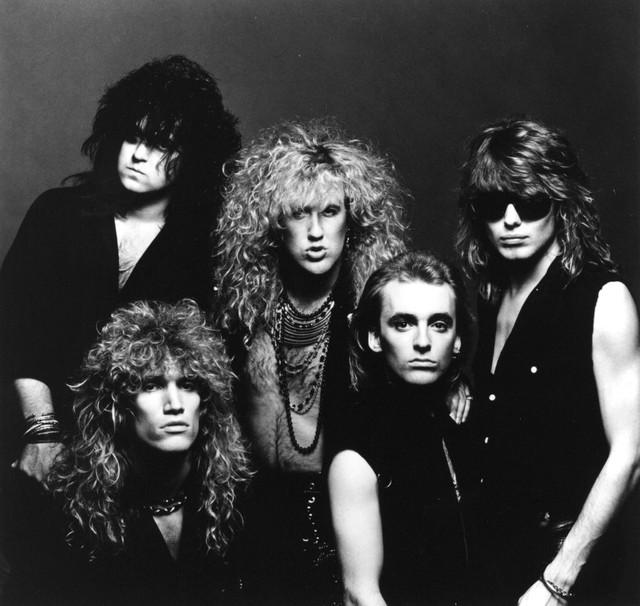
Jetboy’s Spotify BioAlthough they were often considered Mötley Crüe/Poison disciples, Los Angeles '80s glam rockers Jetboy contained a former member of the group that may have been responsible for the whole musical movement in the first place -- former Hanoi Rocks bassist Sam Yaffa. Joining Yaffa were Mickey Finn (vocals), Fernie Rod (guitar), Billy Rowe (guitar), and Ron Tostenson (drums), and while they never hit the big time like the aforementioned pretty boy outfits, the quintet enjoyed exposure on MTV's Headbanger's Ball program, resulting in some regional success. Their first two albums, 1988's Feel the Shake and 1990's Damned Nation (both on MCA), were issued during glam's peak, but with the emergence of the Seattle movement, Jetboy and their ilk took a backseat to such back-to-basics rockers as Nirvana, Soundgarden, and Pearl Jam. During the late '90s, several collections of rarities and highlights were released, including Day in the Unglamorous Life, Make Some More Noise, and Lost & Found. For… lovers of '80s glam/pop-metal, Jetboy may be one of the genre's best-kept secrets. ~ Greg Prato, Rovi
Viberate is a music analytics platform built for A&Rs, artist managers, labels, booking agents, marketers, and artists.
It helps music professionals track artist growth, analyze audience data, monitor playlist activity, compare artists, follow song performance, and identify opportunities across the music market.
Public artist pages provide a free preview of selected artist data. Paid plans provide access to deeper analytics, historical data, charts, comparisons, playlist tools, exports, alerts, reports, and additional professional features.
Yes. Public Viberate artist pages provide selected artist analytics and music data for free.
Viberate also offers a 7-day free trial of the full platform. A credit card is required to start the trial. The trial includes access to the complete product so users can test deeper artist analytics, historical views, playlist insights, comparisons, charts, exports, alerts, and reporting features before choosing a paid plan.
Viberate provides artist analytics across streaming, playlists, social media, video, radio airplay, songs, and audience markets.
Users can analyze Spotify performance, Spotify and Apple Music playlists, YouTube activity, TikTok and Instagram growth, radio spins, song performance, audience locations, demographics, rankings, and overall artist momentum.
Artist profiles also connect to music charts, similar artists, and comparison tools, helping users benchmark performance and evaluate artists in context.
Viberate updates key artist and track data daily.
For followed artists and tracks, selected data is refreshed multiple times per day. This helps teams monitor playlist changes, streaming movement, audience growth, releases, and campaign performance with more current data.
Update frequency can vary depending on the metric and data source.
Yes. Viberate lets users compare up to five artists side by side across streaming, social media, audience, and engagement metrics.
Users can compare fanbase growth, audience demographics, locations, Spotify performance, social metrics, and other artist data over selected time periods.
Artist comparison can be used for A&R scouting, benchmarking, booking decisions, campaign planning, and evaluating artists with similar audiences or market positions.