Joseph Canteloube

Classical
Classical Crossover
Orchestral
 Viberate Rank: 161933
 Viberate Rank: 161933
 Monthly ListenersFollowers
 Subscribers
 Followers
 Followers
 FansTop Spotify Songs
| Track | 7-Day Streams | |
|---|---|---|
1 | 2.96K | |
2 | 2.81K | |
3 | 2.44K | |
4 | 1.50K | |
5 | 1.17K |
Top YouTube VideosMonthly ListenersFeatured in Playlists| Playlist | Followers | |
|---|---|---|
1 | phillysblunt | 127.21K |
2 |  Easy Listening Classical For Study, Work, Relaxing, Chillout, Anything But Serious Listening Ulysses' Classical | 99.23K |
3 | Johns Hopkins Psychedelic Therapy Playlist SoundMind Psychedelics | 70.23K |
4 | Psychedelic Therapy Playlist 1 Mendel Kaelen | 39.68K |
5 |  The Penthouse Classical Music Opera Dinda Diyana | 27.11K |
Audience| City | Monthly Listeners | |
|---|---|---|
1 |  | 1.59K |
2 |  | 592 |
3 |  | 524 |
4 | | 479 |
5 |  | 378 |
See full performance history, audience data, playlist activity, rankings, comparisons, and more in Viberate music analytics. Start with a free trial, then continue with a paid plan.
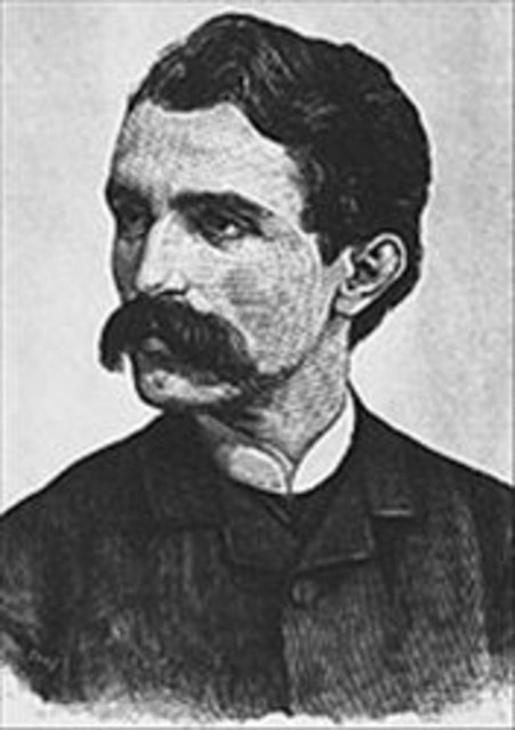
Joseph Canteloube’s Spotify BioMost notable as an arranger of French folk songs, Canteloube is often overlooked as a composer of original music. He is primarily remembered for the Chants d'Auvergne (1930-1955), five sets of folk songs for voice and piano or orchestra, widely enjoyed for their color, naturalistic beauty, and charm.
When Canteloube began his studies with d'Indy at the Schola Cantorum in Paris in 1901, he showed a preference and talent for composing nature music, especially music that described the landscape of his native region, the Auvergne. He decided to seek inspiration and stimulus in folk song (as d'Indy had before him). Thus began his lifelong task of traveling throughout France to collect and arrange folk songs. Well into the '40s, Canteloube busied himself with collecting songs and arranging them for choral, quartet, or solo voices with piano or orchestra accompaniment. Meanwhile, he continued to produce original compositions, but as an arranger of folk music he was generally more successful.… His other regional song arrangements came from Catalonia, Alsace, Angoumais, Languedoc, Touraine, and the Basque region. He served as editor of the Anthologie des chants populaires français (1939-1944).
Outside of his prolific work in folk song, Canteloube's most ambitious projects were two operas that were produced by the Paris Opéra. The first, Le mas (1910-1913), won him the lucrative Prix Heugel in 1925. Apparently, the production was not received well, for the work was never revived. This did not discourage Canteloube -- he began work the following year on Vercingétorix (1930-1932), a nationalist opera celebrating the birth of French national unity. Composed to a libretto by E. Clémental and J. Louwyck, it was produced by the Opéra on June 22, 1933, to little acclaim. Like his first opera, Vercingétorix is said to have lacked a theatrical sense. Vercingétorix was the first opera ever to use the ondes martenot (an electronic keyboard instrument developed in the '20s by French musician Maurice Martenot) in the orchestra. Both operas show Canteloube's patriotism. One of his last notable efforts was, interestingly, not a musical piece, but a biography of d'Indy (1949). He also wrote one about his friend, composer Déodat de Séverac (1950). He was active as a composer into the '50s, dying at the age of 78 in 1957. ~ Rachael Unite, Rovi
Viberate is a music analytics platform built for A&Rs, artist managers, labels, booking agents, marketers, and artists.
It helps music professionals track artist growth, analyze audience data, monitor playlist activity, compare artists, follow song performance, and identify opportunities across the music market.
Public artist pages provide a free preview of selected artist data. Paid plans provide access to deeper analytics, historical data, charts, comparisons, playlist tools, exports, alerts, reports, and additional professional features.
Yes. Public Viberate artist pages provide selected artist analytics and music data for free.
Viberate also offers a 7-day free trial of the full platform. A credit card is required to start the trial. The trial includes access to the complete product so users can test deeper artist analytics, historical views, playlist insights, comparisons, charts, exports, alerts, and reporting features before choosing a paid plan.
Viberate provides artist analytics across streaming, playlists, social media, video, radio airplay, songs, and audience markets.
Users can analyze Spotify performance, Spotify and Apple Music playlists, YouTube activity, TikTok and Instagram growth, radio spins, song performance, audience locations, demographics, rankings, and overall artist momentum.
Artist profiles also connect to music charts, similar artists, and comparison tools, helping users benchmark performance and evaluate artists in context.
Viberate updates key artist and track data daily.
For followed artists and tracks, selected data is refreshed multiple times per day. This helps teams monitor playlist changes, streaming movement, audience growth, releases, and campaign performance with more current data.
Update frequency can vary depending on the metric and data source.
Yes. Viberate lets users compare up to five artists side by side across streaming, social media, audience, and engagement metrics.
Users can compare fanbase growth, audience demographics, locations, Spotify performance, social metrics, and other artist data over selected time periods.
Artist comparison can be used for A&R scouting, benchmarking, booking decisions, campaign planning, and evaluating artists with similar audiences or market positions.