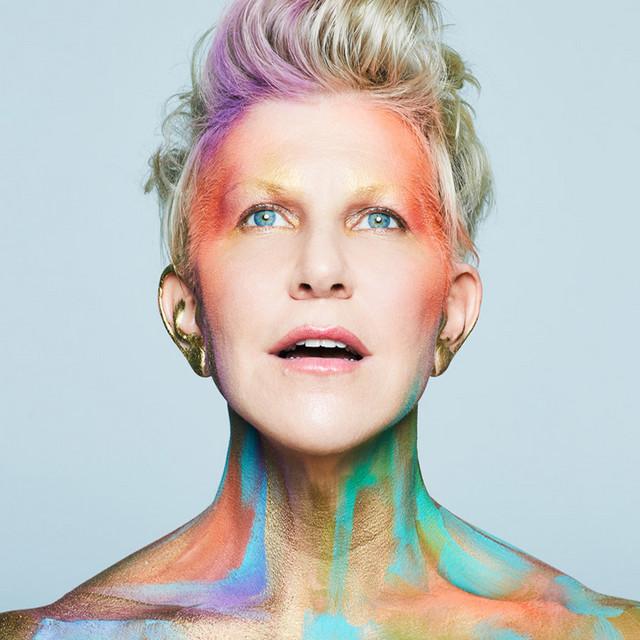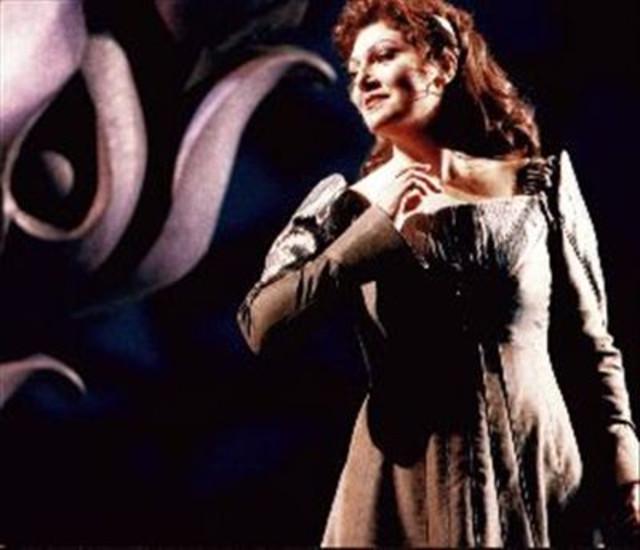
Jennifer Larmore

Classical
Opera
Classical Crossover
 Viberate Rank: 255931
 Viberate Rank: 255931
 Monthly ListenersFollowers
 Subscribers
 Followers
 Followers
 FansTop Spotify Songs
| Track | 7-Day Streams | |
|---|---|---|
1 | 3.22K | |
2 | 3.22K | |
3 | 3.11K | |
4 | 2.33K | |
5 | 436 |
Top YouTube VideosMonthly ListenersFeatured in Playlists| Playlist | Followers | |
|---|---|---|
1 |  This Is Bizet Spotify | 28.83K |
2 |  Great Italian Operas Oskar Persson | 15.99K |
3 |  NPR Classical NPR Music | 14.43K |
4 | Happy Classical Rebecca Noelle | 7.89K |
5 |  The Holdovers: Original Motion Picture Soundtrack Khai Yasin | 7.78K |
Audience| City | Monthly Listeners | |
|---|---|---|
1 |  | 931 |
2 |  | 543 |
3 | | 537 |
4 |  | 486 |
5 |  | 288 |
See full performance history, audience data, playlist activity, rankings, comparisons, and more in Viberate music analytics. Start with a free trial, then continue with a paid plan.
Jennifer Larmore’s Spotify BioJennifer Larmore is an outstanding American mezzo soprano who parlayed operatic success in Europe into international stardom during the 1990s. Known for excelling in the coloratura roles of Rossini and Handel, she has also moved into the early nineteenth century bel canto repertory, as well as the operas of Mozart and Richard Strauss. Especially since 2000, Larmore has been a very active recitalist, and she has recorded widely for the Harmonia Mundi, Teldec, and Deutsche Grammophon labels.
Originally from Atlanta, Larmore studied at the Westminster Choir College, and then privately with John Bullock and Regina Resnik. She made her professional debut at Santa Barbara's Music Academy of the West as Rosina in Rossini's The Barber of Seville -- appropriate, considering that Rosina has since become her signature role, one that she has performed more than 500 times. Three years later, a last-minute audition led to a contract at the Nice Opera. There, her vocal talents, energetic acting, and… natural beauty quickly established her as an emerging star, and during the next decade she performed dozens of leading roles with major European houses.
In the mid-'90s Larmore returned to the United States, making her Chicago Lyric Opera debut in 1993, winning the prestigious Richard Tucker award in 1994, and debuting as Rosina at the Metropolitan Opera in 1995. Since then she has been a regular attraction at the Met, singing everything from Handel's Giulio Cesare to Humperdinck's Hänsel und Gretel. With her frequent collaborator Antoine Palloc, she has made several international recital tours, including appearances in Amsterdam, Paris, Madrid, Hong Kong, and London, as well as most major American cities.
Larmore's Giulio Cesare on Harmonia Mundi (with René Jacobs), L'étoile, a collection of French arias, and Call Me Mister, a celebration of mezzo soprano "pants" roles, are notable among her recordings. A particularly unique venture has been her satellite radio program Backstage with Jennifer Larmore, on which she proves herself a witty and insightful interviewer and commentator.
Viberate is a music analytics platform built for A&Rs, artist managers, labels, booking agents, marketers, and artists.
It helps music professionals track artist growth, analyze audience data, monitor playlist activity, compare artists, follow song performance, and identify opportunities across the music market.
Public artist pages provide a free preview of selected artist data. Paid plans provide access to deeper analytics, historical data, charts, comparisons, playlist tools, exports, alerts, reports, and additional professional features.
Yes. Public Viberate artist pages provide selected artist analytics and music data for free.
Viberate also offers a 7-day free trial of the full platform. A credit card is required to start the trial. The trial includes access to the complete product so users can test deeper artist analytics, historical views, playlist insights, comparisons, charts, exports, alerts, and reporting features before choosing a paid plan.
Viberate provides artist analytics across streaming, playlists, social media, video, radio airplay, songs, and audience markets.
Users can analyze Spotify performance, Spotify and Apple Music playlists, YouTube activity, TikTok and Instagram growth, radio spins, song performance, audience locations, demographics, rankings, and overall artist momentum.
Artist profiles also connect to music charts, similar artists, and comparison tools, helping users benchmark performance and evaluate artists in context.
Viberate updates key artist and track data daily.
For followed artists and tracks, selected data is refreshed multiple times per day. This helps teams monitor playlist changes, streaming movement, audience growth, releases, and campaign performance with more current data.
Update frequency can vary depending on the metric and data source.
Yes. Viberate lets users compare up to five artists side by side across streaming, social media, audience, and engagement metrics.
Users can compare fanbase growth, audience demographics, locations, Spotify performance, social metrics, and other artist data over selected time periods.
Artist comparison can be used for A&R scouting, benchmarking, booking decisions, campaign planning, and evaluating artists with similar audiences or market positions.