Alfredo Catalani

Classical
Opera
Chamber Music
 Viberate Rank: 261983
 Viberate Rank: 261983
 Monthly ListenersFollowers
 Subscribers
 Followers
 Followers
 FansTop Spotify SongsTop YouTube Videos
| Video | 7-Day Views | |
|---|---|---|
1 | 10 |
Monthly ListenersFeatured in Playlists| Playlist | Followers | |
|---|---|---|
1 |  Opera Classics Decca Records US | 376.26K |
2 |  Cello Melancholy Classics To Go | 48.89K |
3 |  Opera Arias: Best of Udiscovermusic classical | 42.80K |
4 |  Classical Essentials EMITHA | 17.10K |
5 |  Ashes to Ashes Soundtrack (Seasons 1-3) stevenixon | 8.79K |
Audience| City | Monthly Listeners | |
|---|---|---|
1 |  | 1.17K |
2 |  | 1.09K |
3 |  | 934 |
4 |  | 732 |
5 | | 729 |
See full performance history, audience data, playlist activity, rankings, comparisons, and more in Viberate music analytics. Start with a free trial, then continue with a paid plan.
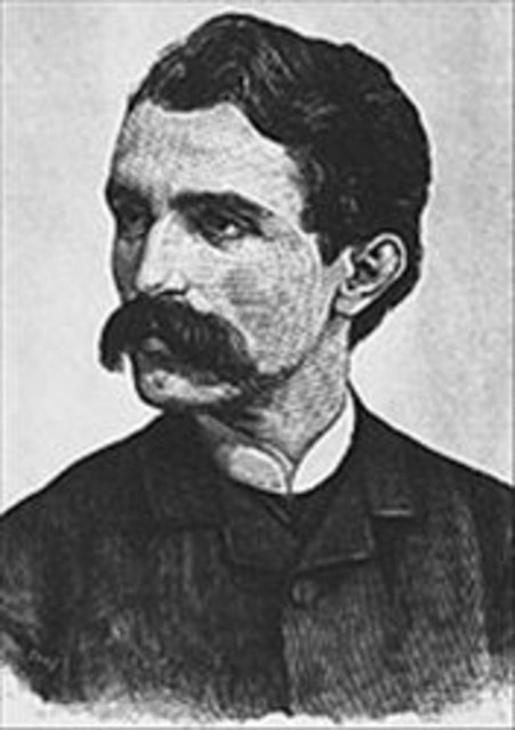
Alfredo Catalani’s Spotify BioAlfredo Catalani was an Italian composer known for his operas Loreley and La Wally. His implementation of Scapigliatura ideals played an important role in the development of opera. He was born in Lucca, Italy in 1854 to a musical family and received his first musical instruction from his father Eugenio, who taught solfege at the local music school in Lucca, l'Istituto Musicale Pacini. Later, Catalani became a student there and studied composition with Fortunato Magi, the uncle and music teacher of Giacomo Puccini. After he graduated in 1872, he left Italy to study with Antoine François Marmontel and Francois Bazin in Paris. The following year he returned home to join the military but was turned away because he had tuberculosis. He enrolled at the Milan Conservatory and began studying composition with Antonio Bazzini. While in Milan, Bazzini introduced him to the Salotto Maffei, a salon where artists, writers, and musicians gathered to share ideas. There he was exposed to the music of R…ichard Wagner, which had a profound influence on him. He finished his studies at the Milan Conservatory in 1875 and became prominent with the followers of the Scapigliatura movement in Milan. They were seeking to reform opera using the aesthetics and compositional techniques of Wagner. Catalani's first two large-scale operas, Elda (1877) and Dejanice (1883), were composed in the style of Wagner and they were not very popular. By 1886 he was experiencing financial difficulties and began working as a composition professor at the Milan Conservatory. His position there did not become official until 1888 because of suspicions regarding his health. He also began reworking his first opera, Elda, into Loreley, in which he combined a lively dramatic style with a score that was much more original and mature. The 1890 premiere in Turin was very successful, and he immediately began working on another opera, La Wally, while also dealing with declining health. Catalani used the same dramatic style that he developed in Loreley, with a sophisticated Wagner-influenced harmonic structure. The premiere of La Wally at La Scala in 1892 was hugely popular, and attracted the attention of his friend Arturo Toscanini, who went on to conduct many successful performances of it. Catalani passed away the following summer. ~ RJ Lambert, Rovi
Viberate is a music analytics platform built for A&Rs, artist managers, labels, booking agents, marketers, and artists.
It helps music professionals track artist growth, analyze audience data, monitor playlist activity, compare artists, follow song performance, and identify opportunities across the music market.
Public artist pages provide a free preview of selected artist data. Paid plans provide access to deeper analytics, historical data, charts, comparisons, playlist tools, exports, alerts, reports, and additional professional features.
Yes. Public Viberate artist pages provide selected artist analytics and music data for free.
Viberate also offers a 7-day free trial of the full platform. A credit card is required to start the trial. The trial includes access to the complete product so users can test deeper artist analytics, historical views, playlist insights, comparisons, charts, exports, alerts, and reporting features before choosing a paid plan.
Viberate provides artist analytics across streaming, playlists, social media, video, radio airplay, songs, and audience markets.
Users can analyze Spotify performance, Spotify and Apple Music playlists, YouTube activity, TikTok and Instagram growth, radio spins, song performance, audience locations, demographics, rankings, and overall artist momentum.
Artist profiles also connect to music charts, similar artists, and comparison tools, helping users benchmark performance and evaluate artists in context.
Viberate updates key artist and track data daily.
For followed artists and tracks, selected data is refreshed multiple times per day. This helps teams monitor playlist changes, streaming movement, audience growth, releases, and campaign performance with more current data.
Update frequency can vary depending on the metric and data source.
Yes. Viberate lets users compare up to five artists side by side across streaming, social media, audience, and engagement metrics.
Users can compare fanbase growth, audience demographics, locations, Spotify performance, social metrics, and other artist data over selected time periods.
Artist comparison can be used for A&R scouting, benchmarking, booking decisions, campaign planning, and evaluating artists with similar audiences or market positions.