Jessye Norman

Classical
Opera
 Viberate Rank: 127472
 Viberate Rank: 127472
 Monthly ListenersFollowers
 Subscribers
 Followers
 Followers
 FansTop Spotify Songs
| Track | 7-Day Streams | |
|---|---|---|
1 | 6.57K | |
2 | 6.07K | |
3 | 3.91K | |
4 | 3.21K | |
5 | 1.96K |
Top YouTube Videos| Video | 7-Day Views | |
|---|---|---|
1 | 1.25K | |
2 | 173 |
Monthly ListenersFeatured in Playlists| Playlist | Followers | |
|---|---|---|
1 |  Opera Classics Decca Records US | 376.27K |
2 |  This Is Wagner Spotify | 113.01K |
3 |  1000 Recordings to Hear Before You Die (Tom Moon): Album Index Ulysses' Classical | 94.30K |
4 | amandaemcee | 69.74K |
5 |  This Is Mahler Spotify | 62.20K |
Audience| City | Monthly Listeners | |
|---|---|---|
1 |  | 2.18K |
2 |  | 1.35K |
3 |  | 1.21K |
4 | | 1.14K |
5 |  | 1.08K |
See full performance history, audience data, playlist activity, rankings, comparisons, and more in Viberate music analytics. Start with a free trial, then continue with a paid plan.
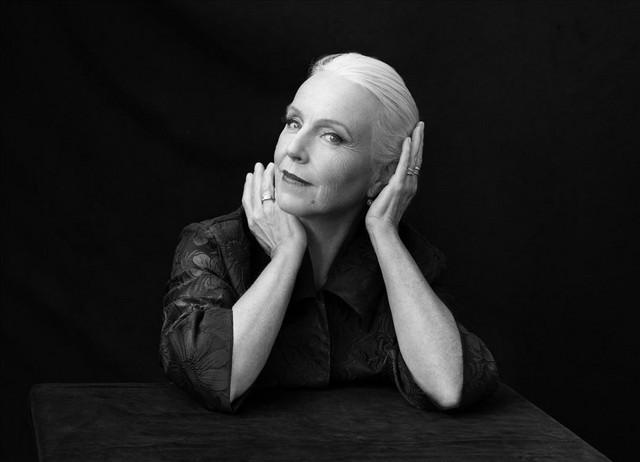
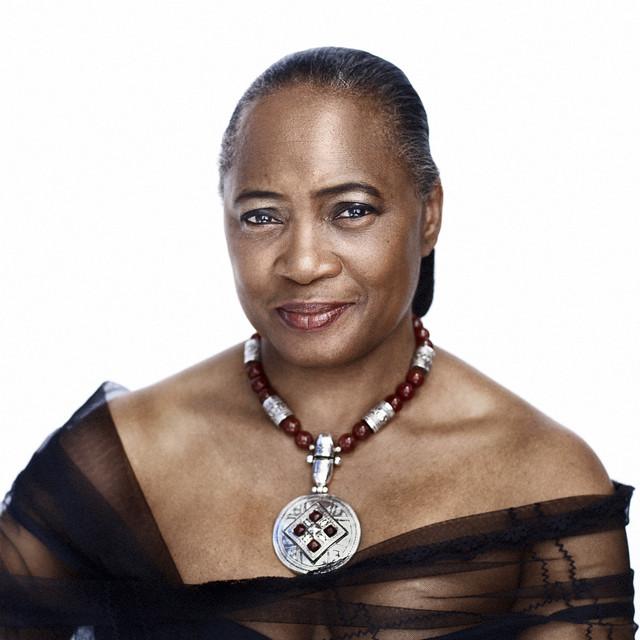
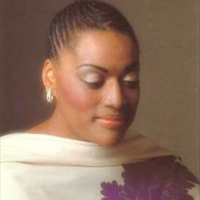
Jessye Norman’s Spotify BioAmerican soprano Jessye Norman was one of the most important figures of the 20th and early 21st century opera. In her performances of prominent operatic roles, as well as a celebrated recital and recording career, she was well regarded throughout the world.
Norman was born on September 15, 1945, in Augusta, Georgia. She started singing spirituals at the age of four at Mount Calvary Baptist Church; one Saturday, while doing her chores, she heard an opera for the first time, broadcast on the radio. She became an instant opera fan and started listening to recordings of Marian Anderson and Leontyne Price. Nat "King" Cole was also a major inspiration for her. At 16, Norman began studying at Howard University, where her voice teacher was Carolyn Grant. She sang in the university chorus and worked as a soloist at the Lincoln Temple United Church of Christ. In 1965, she won the National Society of Arts and Letters singing competition. She continued her studies at Peabody Conservatory of Music… in Baltimore and at the University of Michigan, where her most important teachers were Elizabeth Mannion and Pierre Bernac.
In 1968, Norman won the Munich Competition, leading to her operatic debut as Elisabeth in Wagner's Tannhäuser in Berlin. A major European operatic career quickly developed: she appeared in Meyerbeer's L'Africaine at Maggio Musicale in Florence in 1971, Verdi's Aïda at La Scala in Milan in 1972, and in Berlioz's Les Troyens at London's Covent Garden the same year. These roles bespeak a major part of Norman's stage persona: a commanding and noble bearing, partly due to her uncommon height and size. However, this was more a function of her unique, rich, and powerful voice. She had an uncommonly wide range, encompassing all female voice registers from contralto to the high dramatic soprano.
As her operatic career developed, Norman also made important recital debuts, including London and New York in 1973. She made an extensive North American concert debut in 1976 and 1977 but did not appear in opera in the U.S. until 1982. This was with the Opera Company of Philadelphia, in a double bill as Dido in Purcell's Dido and Aeneas and Queen Jocasta in Stravinsky's Oedipus Rex. Her Metropolitan Opera debut was as Cassandra in 1983, the opening night of the Met's centennial season.
Her interpretation of Strauss' Four Last Songs was legendary. Its slowness was controversial, but the tonal qualities of her voice were ideal for these final works of the great Romantic German lieder tradition. She also sang Schoenberg's Gurrelieder and his opera Erwartung; she sang this on a memorable double bill at the Met with Bartók's Bluebeard's Castle, which was broadcast nationally. She appeared on live broadcasts of season-opening concerts of the New York Philharmonic.
Norman was acclaimed in her singing of Mussorgsky songs in the original Russian, the German Romantic lieder repertoire, and French music from Berlioz to contemporary composers. Another major part of her musical life was in the performance of American music. These included jazz standards, the sacred music of Duke Ellington, African American spirituals, and woman.life.song., a song cycle composed by Judith Weir, commissioned for Norman by Carnegie Hall.
Throughout her life, Norman was asked to perform in many important ceremonies in the U.S. and abroad. These include singing the French national anthem for the 200th anniversary of the French revolution, the funeral of Jacqueline Kennedy Onassis, the opening ceremony of the 1996 Summer Olympics in Atlanta, and singing America, the Beautiful at the dedication of the memorial columns of light at the site of the World Trade Center in New York.
Norman had an extensive and successful recording career, mainly recording on the Philips label. She released albums of opera, recital, jazz, and Christmas music. She won five Grammy awards, including the "Grammy for Lifetime Achievement" in 2006.
Jessye Norman died in New York on September 30, 2019, following complications from a spinal cord injury suffered in 2015.
Viberate is a music analytics platform built for A&Rs, artist managers, labels, booking agents, marketers, and artists.
It helps music professionals track artist growth, analyze audience data, monitor playlist activity, compare artists, follow song performance, and identify opportunities across the music market.
Public artist pages provide a free preview of selected artist data. Paid plans provide access to deeper analytics, historical data, charts, comparisons, playlist tools, exports, alerts, reports, and additional professional features.
Yes. Public Viberate artist pages provide selected artist analytics and music data for free.
Viberate also offers a 7-day free trial of the full platform. A credit card is required to start the trial. The trial includes access to the complete product so users can test deeper artist analytics, historical views, playlist insights, comparisons, charts, exports, alerts, and reporting features before choosing a paid plan.
Viberate provides artist analytics across streaming, playlists, social media, video, radio airplay, songs, and audience markets.
Users can analyze Spotify performance, Spotify and Apple Music playlists, YouTube activity, TikTok and Instagram growth, radio spins, song performance, audience locations, demographics, rankings, and overall artist momentum.
Artist profiles also connect to music charts, similar artists, and comparison tools, helping users benchmark performance and evaluate artists in context.
Viberate updates key artist and track data daily.
For followed artists and tracks, selected data is refreshed multiple times per day. This helps teams monitor playlist changes, streaming movement, audience growth, releases, and campaign performance with more current data.
Update frequency can vary depending on the metric and data source.
Yes. Viberate lets users compare up to five artists side by side across streaming, social media, audience, and engagement metrics.
Users can compare fanbase growth, audience demographics, locations, Spotify performance, social metrics, and other artist data over selected time periods.
Artist comparison can be used for A&R scouting, benchmarking, booking decisions, campaign planning, and evaluating artists with similar audiences or market positions.