Jonah Jones

Jazz
Swing
 Viberate Rank: 188463
 Viberate Rank: 188463
 Monthly ListenersFollowers
 Subscribers
 Followers
 Followers
 FansTop Spotify Songs
| Track | 7-Day Streams | |
|---|---|---|
1 | 3.10K | |
2 | 3.10K | |
3 | 2.97K | |
4 | 2.66K | |
5 | 2.66K |
Top YouTube VideosMonthly ListenersFeatured in Playlists| Playlist | Followers | |
|---|---|---|
1 | BIG BAND CLASSICS jaydonsr | 79.38K |
2 |  Essential Classics Essential Classics | 31.39K |
3 | Swing Dance Ivan Zdravkov | 25.88K |
4 | Cool Jazz (Chet Baker, Miles Davis, John Coltrane) v8ah5ylwkthiba88kbsdlyt6h | 23.59K |
5 | 60s martini lounge music Teresa Wilkerson | 17.55K |
Audience| City | Monthly Listeners | |
|---|---|---|
1 |  | 294 |
2 | | 263 |
3 | | 260 |
4 |  | 257 |
5 |  | 245 |
See full performance history, audience data, playlist activity, rankings, comparisons, and more in Viberate music analytics. Start with a free trial, then continue with a paid plan.
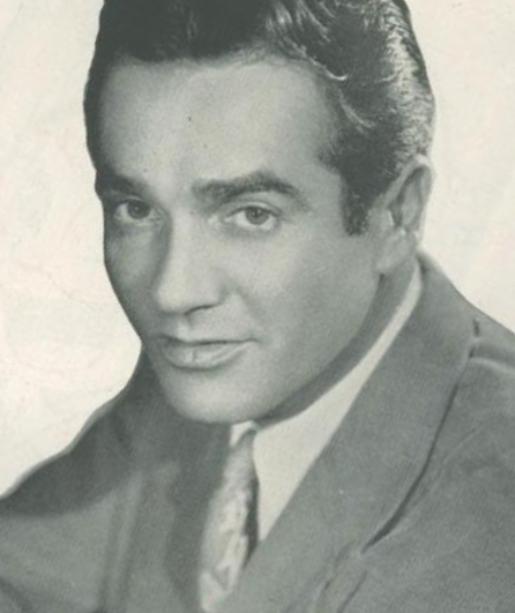
Jonah Jones’ Spotify BioA talented and flashy trumpeter, Jonah Jones hit upon a formula in 1955 that made him a major attraction for a decade; playing concise versions of melodic swing standards and show tunes muted with a quartet. But although the non-jazz audience discovered Jones during the late '50s, he had already been a very vital trumpeter for two decades. Jones started out playing on a Mississippi riverboat in the 1920s. He freelanced in the Midwest (including with Horace Henderson), was briefly with Jimmie Lunceford (1931), had an early stint with Stuff Smith (1932-1934), and then spent time with Lil Armstrong's short-lived orchestra and the declining McKinney's Cotton Pickers. Jones became famous for his playing with Stuff Smith's Onyx club band (1936-1940), recording many exciting solos. He gigged with Benny Carter and Fletcher Henderson and became a star soloist with Cab Calloway (1941-1952), staying with the singer even after his big band became a combo. Jones played Dixieland with Earl Hines (19…52-1953), toured Europe in 1954 (including a brilliant recording session with Sidney Bechet), and then led his quartet at the Embers (1955), hitting upon his very successful formula. His shuffle version of "On the Street Where You Live" was the first of many hits and he recorded a long series of popular albums for Capitol during 1957-1963, switching to Decca for a few more quartet albums in 1965-1967. Jonah Jones recorded a fine date with Earl Hines for Chiaroscuro (1972) and still played on an occasional basis in the 1980s and early '90s; he died April 30, 2000, at the age of 91. ~ Scott Yanow, Rovi
Viberate is a music analytics platform built for A&Rs, artist managers, labels, booking agents, marketers, and artists.
It helps music professionals track artist growth, analyze audience data, monitor playlist activity, compare artists, follow song performance, and identify opportunities across the music market.
Public artist pages provide a free preview of selected artist data. Paid plans provide access to deeper analytics, historical data, charts, comparisons, playlist tools, exports, alerts, reports, and additional professional features.
Yes. Public Viberate artist pages provide selected artist analytics and music data for free.
Viberate also offers a 7-day free trial of the full platform. A credit card is required to start the trial. The trial includes access to the complete product so users can test deeper artist analytics, historical views, playlist insights, comparisons, charts, exports, alerts, and reporting features before choosing a paid plan.
Viberate provides artist analytics across streaming, playlists, social media, video, radio airplay, songs, and audience markets.
Users can analyze Spotify performance, Spotify and Apple Music playlists, YouTube activity, TikTok and Instagram growth, radio spins, song performance, audience locations, demographics, rankings, and overall artist momentum.
Artist profiles also connect to music charts, similar artists, and comparison tools, helping users benchmark performance and evaluate artists in context.
Viberate updates key artist and track data daily.
For followed artists and tracks, selected data is refreshed multiple times per day. This helps teams monitor playlist changes, streaming movement, audience growth, releases, and campaign performance with more current data.
Update frequency can vary depending on the metric and data source.
Yes. Viberate lets users compare up to five artists side by side across streaming, social media, audience, and engagement metrics.
Users can compare fanbase growth, audience demographics, locations, Spotify performance, social metrics, and other artist data over selected time periods.
Artist comparison can be used for A&R scouting, benchmarking, booking decisions, campaign planning, and evaluating artists with similar audiences or market positions.