Larry Willis

Jazz
Smooth Jazz
Jazz Fusion
 Viberate Rank: 384099
 Viberate Rank: 384099
 Monthly ListenersFollowers
 Subscribers
 Followers
 Followers
 FansTop Spotify Songs
| Track | 7-Day Streams | |
|---|---|---|
1 | 459 | |
2 | 259 | |
3 | 107 | |
4 | 47 | |
5 | 28 |
Top YouTube VideosMonthly ListenersFeatured in Playlists| Playlist | Followers | |
|---|---|---|
1 |  Sampled songs and the songs that sampled seetreepo | 20.62K |
2 |  Now Again - Egon's Selections Egon | 14.10K |
3 |  Morning Soul. Musical Metaphors | 13.53K |
4 |  Midnight Jazz Bar 🍸 by Don's Tunes Don's Tunes | 11.61K |
5 |  Deep Spiritual Jazz Neil Lampert | 7.30K |
Audience| City | Monthly Listeners | |
|---|---|---|
1 |  | 53 |
2 | | 48 |
3 | | 45 |
4 |  | 42 |
5 | | 41 |
See full performance history, audience data, playlist activity, rankings, comparisons, and more in Viberate music analytics. Start with a free trial, then continue with a paid plan.
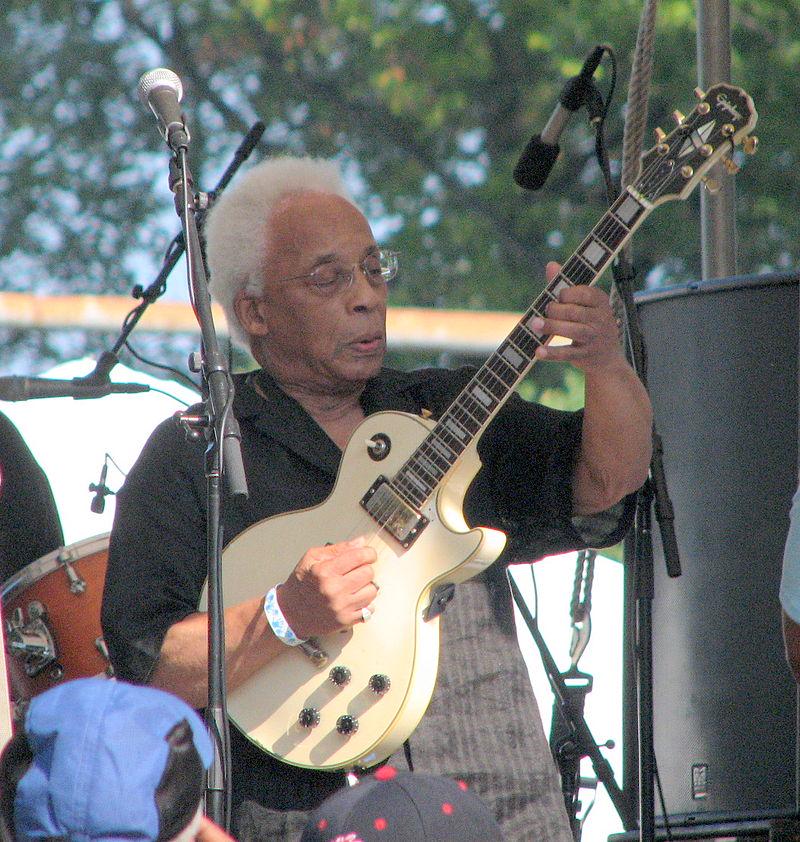
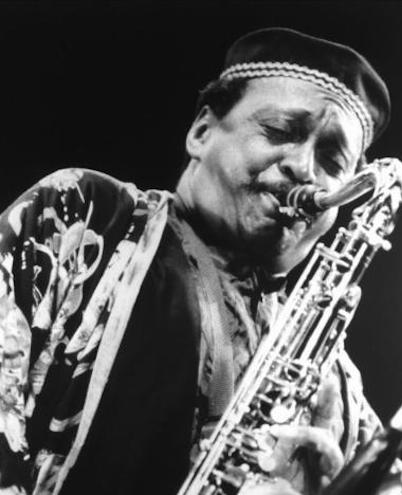
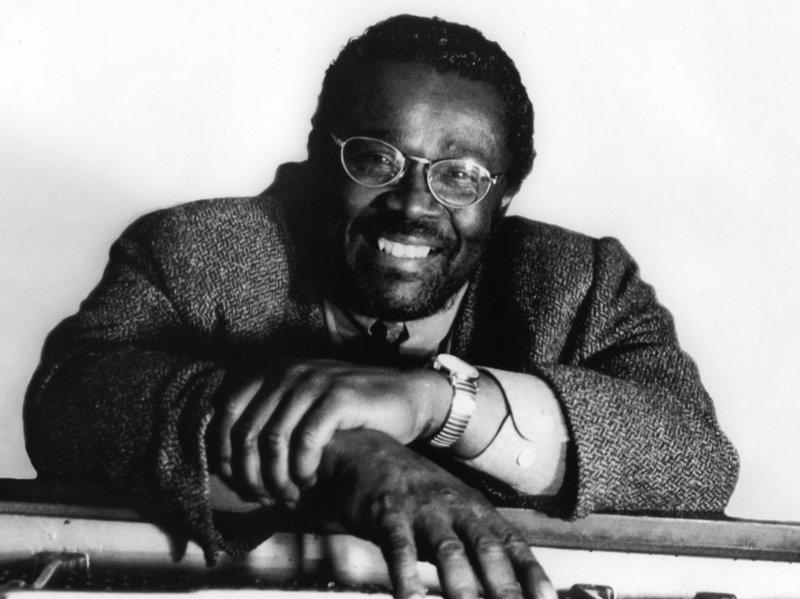
Larry Willis’ Spotify BioOnce identified with on-the-edge free music, keyboardist Larry Willis had a profitable flirtation with fusion in the '70s, then moved to hard bop in the '80s and '90s. Willis' playing has been frenetic, ambitious, and interesting, but during his jazz-rock and fusion days it was funky but greatly restrained and simplistic. A devotee of Herbie Hancock, Willis has found a good balance, with expertly constructed modal solos and also lyrical, relaxed statements. Willis graduated from the Manhattan School of Music in the early '60s, then played with Jackie McLean and Hugh Masekela. He recorded with Lee Morgan and McLean in the mid-'60s, and worked with Kai Winding and Stan Getz, as well as recording with Robin Kenyatta in 1969. Willis turned to synthesizer and electric piano in the '70s, doing sessions with Cannonball Adderley, Earl May, Joe Henderson, Richard "Groove" Holmes, and Masekela again. He joined Blood, Sweat & Tears in 1972, recorded with Alphonse Mouzon in both 1972 and 1973, and… did dates as a leader and freelance session musician. Willis also recorded with Ryo Kawasaki and Sonny Fortune in the late '70s, and with David "Fathead" Newman and Carla Bley in the '80s. Willis toured and recorded with Nat Adderley in the '80s and joined Woody Shaw's quintet in 1986. He's done sessions as a leader for Groove Merchant, Steeplechase, Audioquest, Brunswick, and Mapleshade, among others, including Blue Fable and Offering on Highnote in 2007 and 2008, respectively. ~ Ron Wynn and Michael G. Nastos, Rovi
Viberate is a music analytics platform built for A&Rs, artist managers, labels, booking agents, marketers, and artists.
It helps music professionals track artist growth, analyze audience data, monitor playlist activity, compare artists, follow song performance, and identify opportunities across the music market.
Public artist pages provide a free preview of selected artist data. Paid plans provide access to deeper analytics, historical data, charts, comparisons, playlist tools, exports, alerts, reports, and additional professional features.
Yes. Public Viberate artist pages provide selected artist analytics and music data for free.
Viberate also offers a 7-day free trial of the full platform. A credit card is required to start the trial. The trial includes access to the complete product so users can test deeper artist analytics, historical views, playlist insights, comparisons, charts, exports, alerts, and reporting features before choosing a paid plan.
Viberate provides artist analytics across streaming, playlists, social media, video, radio airplay, songs, and audience markets.
Users can analyze Spotify performance, Spotify and Apple Music playlists, YouTube activity, TikTok and Instagram growth, radio spins, song performance, audience locations, demographics, rankings, and overall artist momentum.
Artist profiles also connect to music charts, similar artists, and comparison tools, helping users benchmark performance and evaluate artists in context.
Viberate updates key artist and track data daily.
For followed artists and tracks, selected data is refreshed multiple times per day. This helps teams monitor playlist changes, streaming movement, audience growth, releases, and campaign performance with more current data.
Update frequency can vary depending on the metric and data source.
Yes. Viberate lets users compare up to five artists side by side across streaming, social media, audience, and engagement metrics.
Users can compare fanbase growth, audience demographics, locations, Spotify performance, social metrics, and other artist data over selected time periods.
Artist comparison can be used for A&R scouting, benchmarking, booking decisions, campaign planning, and evaluating artists with similar audiences or market positions.