George Freeman

Jazz
Smooth Jazz
Jazz Fusion
 Viberate Rank: 364637
 Viberate Rank: 364637
 Monthly ListenersFollowers
 Subscribers
 Followers
 Followers
 FansTop Spotify Songs
| Track | 7-Day Streams | |
|---|---|---|
1 | 3.21K | |
2 | 465 | |
3 | 79 | |
4 | 27 | |
5 | 22 |
Top YouTube VideosMonthly ListenersFeatured in Playlists| Playlist | Followers | |
|---|---|---|
1 | Michelle Obama's Musiaqualogy Vol 1 1964-1979 by Questlove Ahmir Khalib Thompson | 25.80K |
2 |  Casino Music 🎰🥃 Abbie ✮ | 24.56K |
3 |  Now Again - Egon's Selections Egon | 14.10K |
4 |  JAZZ FUSION FUNK AND SOUL Jazz Fusion Funk&Soul | 11.91K |
5 | jazz,funk,soul,blues,afrobeat,latin İlker Özalp | 11.48K |
Audience| City | Monthly Listeners | |
|---|---|---|
1 | | 30 |
2 | | 22 |
3 |  | 20 |
4 | | 18 |
5 | | 13 |
See full performance history, audience data, playlist activity, rankings, comparisons, and more in Viberate music analytics. Start with a free trial, then continue with a paid plan.
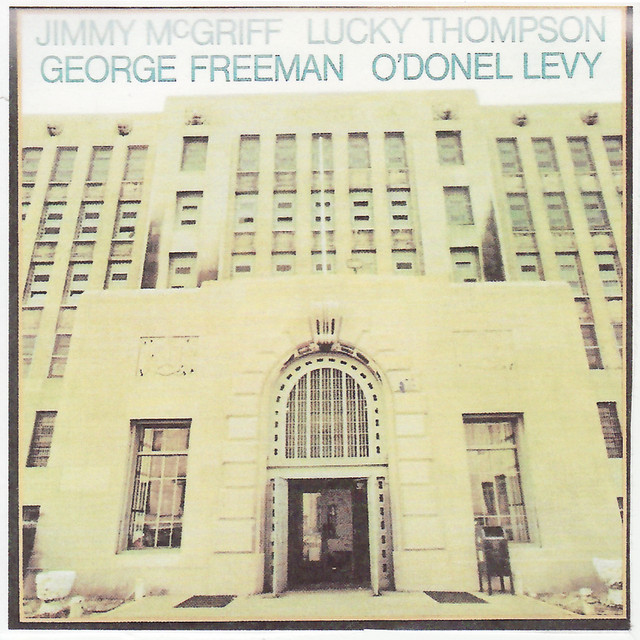
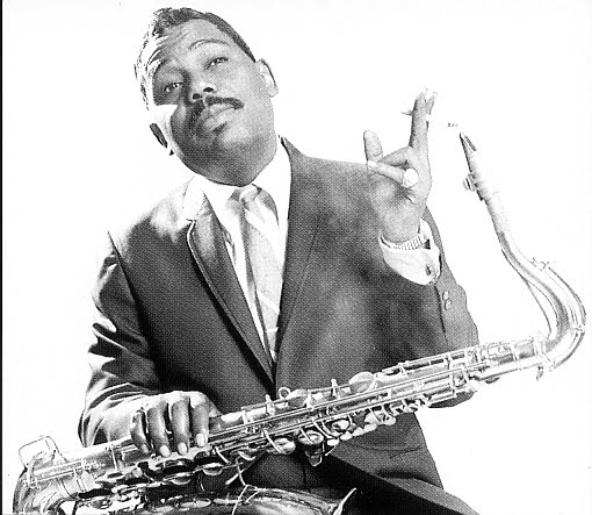
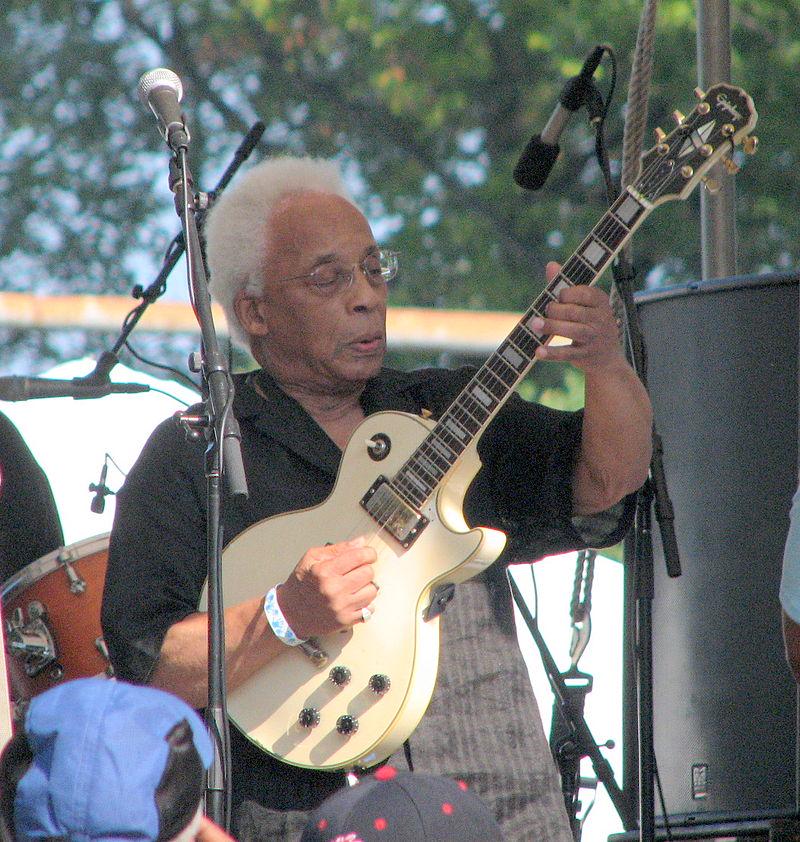
George Freeman’s Spotify BioA key figure on the Chicago jazz scene, guitarist George Freeman is recognized for his warm tone and funky, blues-influenced style of soul-jazz. He first gained wide visibility in the 1960s playing with organist Richard "Groove" Holmes. A member of the esteemed Freeman musical family, he has also worked extensively with his brother saxophonist Von Freeman, as well as an impressive array of performers, including Gene Ammons, Jimmy McGriff, Les McCann, and many more. As a leader, he issued a handful of soulful albums in the '70s like Franticdiagnosis with Charles Earland, and New Improved Funk, before returning to regular activity in his later years with equally funky jazz albums like 2001's At Long Last George and 2017's 90 Going on Amazing.
Born in 1927 in Chicago, Freeman grew up in a musical family alongside his brothers -- tenor saxophonist Von Freeman and drummer Eldridge "Bruz" Freeman. He is also the uncle of saxophonist Chico Freeman. In his early professional years starting in… the late '40s, Freeman recorded with the territory bands of Joe Morris and with Tom Archia. He also found work supporting touring musicians coming through town, including Lester Young and Charlie Parker, the latter of whom he also recorded with for the Savoy label (although uncredited until after the fact). In the mid-'50s, he began a close association with organist Richard "Groove" Holmes, appearing as a sideman and song contributor on a handful of World Pacific and Prestige label albums including 1961's Groove, 1962's Somethin' Special, and 1968's The Groover!
After periods touring with Gene Ammons and Shirley Scott, Freeman largely eschewed road work outside of Chicago. His debut album, Birth Sign, was recorded in 1969 with help from organists Sonny Burke and Robert Pierce. Introducing George Freeman Live with Charlie Earland Sitting In arrived in 1971 on Giant Step. Earland was also on board for the guitarist's 1972 follow-up Franticdiagnosis. Also during the decade, he recorded three albums for Sonny Lester's Groove Merchant/LRC label, including 1972's New Improved Funk, 1974's Man & Woman, and 1977's All in the Game, which found him playing urbane soul-jazz.
Freeman's output slowed in the '80s, though he did work with Johnny Griffin, appearing on 1983's Bush Dance, and 1985's Fly, Mister, Fly, which also featured the Joe Morris Orchestra. Following a period of obscurity, he was brought back into the spotlight after singer Joanie Pallatto and pianist Bradley Parker-Sparrow signed him to their Southport/Orchard label, issuing Rebellion in 1995 and George Burns in 1999. At Long Last George, was released by Savant Records in 2001, followed by 2015's All in the Family with nephew Chico Freeman, and 2017's 90 Going on Amazing. In 2019, he issued George the Bomb! with special guest, veteran Chicago harmonica player Billy Branch. In 2023, at age 96, he released Good Life on HighNote. It was recorded the previous year with drummers Lewis Nash and Carl Allen, bassist Christian McBride, and organist/multi-instrumentalist Joey DeFrancesco in one of his final sessions. ~ Matt Collar, Rovi
Viberate is a music analytics platform built for A&Rs, artist managers, labels, booking agents, marketers, and artists.
It helps music professionals track artist growth, analyze audience data, monitor playlist activity, compare artists, follow song performance, and identify opportunities across the music market.
Public artist pages provide a free preview of selected artist data. Paid plans provide access to deeper analytics, historical data, charts, comparisons, playlist tools, exports, alerts, reports, and additional professional features.
Yes. Public Viberate artist pages provide selected artist analytics and music data for free.
Viberate also offers a 7-day free trial of the full platform. A credit card is required to start the trial. The trial includes access to the complete product so users can test deeper artist analytics, historical views, playlist insights, comparisons, charts, exports, alerts, and reporting features before choosing a paid plan.
Viberate provides artist analytics across streaming, playlists, social media, video, radio airplay, songs, and audience markets.
Users can analyze Spotify performance, Spotify and Apple Music playlists, YouTube activity, TikTok and Instagram growth, radio spins, song performance, audience locations, demographics, rankings, and overall artist momentum.
Artist profiles also connect to music charts, similar artists, and comparison tools, helping users benchmark performance and evaluate artists in context.
Viberate updates key artist and track data daily.
For followed artists and tracks, selected data is refreshed multiple times per day. This helps teams monitor playlist changes, streaming movement, audience growth, releases, and campaign performance with more current data.
Update frequency can vary depending on the metric and data source.
Yes. Viberate lets users compare up to five artists side by side across streaming, social media, audience, and engagement metrics.
Users can compare fanbase growth, audience demographics, locations, Spotify performance, social metrics, and other artist data over selected time periods.
Artist comparison can be used for A&R scouting, benchmarking, booking decisions, campaign planning, and evaluating artists with similar audiences or market positions.