João Gilberto

Latin
Samba
Bossa Nova
 Viberate Rank: 9422
 Viberate Rank: 9422
 Monthly ListenersFollowers
 Subscribers
 Followers
 Followers
 FansTop Spotify Songs
| Track | 7-Day Streams | |
|---|---|---|
1 | 921.90K | |
2 | 393.02K | |
3 | 268.11K | |
4 | 246.13K | |
5 | 183.69K |
Top YouTube VideosMonthly ListenersFeatured in Playlists| Playlist | Followers | |
|---|---|---|
1 |  Jazz Classics Spotify | 5.08M |
2 |  O Melhor da MPB Spotify | 1.47M |
3 |  Bossa Nova Spotify | 1.13M |
4 |  Bossa Nova Classics Spotify | 667.14K |
5 |  66 GREENE _BY.ALEXANDER | 395.13K |
Audience| City | Monthly Listeners | |
|---|---|---|
1 | | 114.61K |
2 | | 55.93K |
3 |  | 47.74K |
4 |  | 29.75K |
5 | | 29.71K |
See full performance history, audience data, playlist activity, rankings, comparisons, and more in Viberate music analytics. Start with a free trial, then continue with a paid plan.
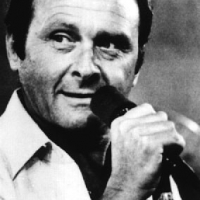
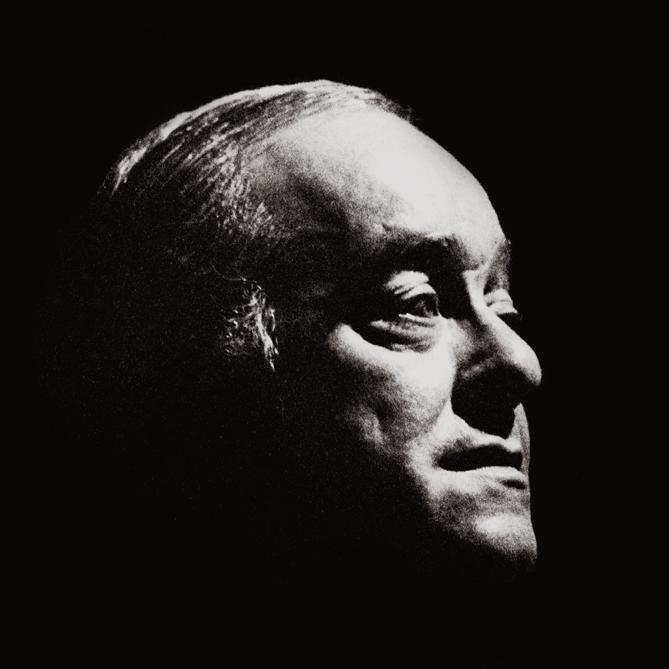
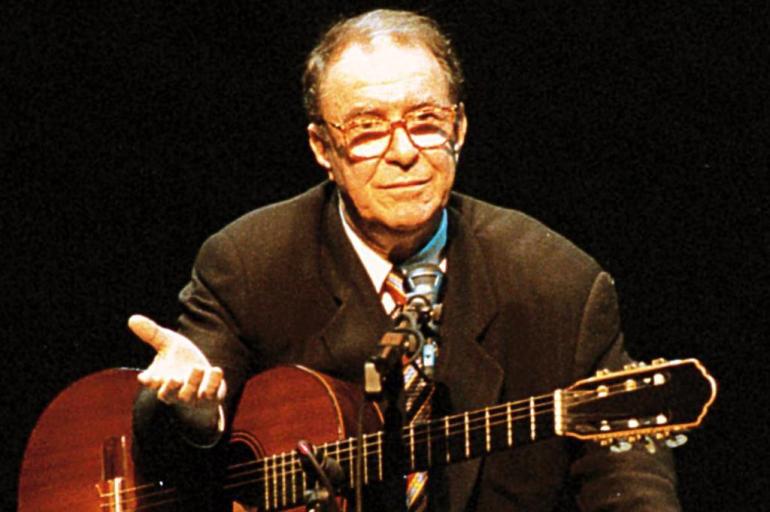
João Gilberto’s Spotify BioWhen talking about bossa nova, perhaps the signature pop music sound of Brazil, the first name that comes to mind is that of Antonio Carlos Jobim. With songs like "The Girl from Ipanema" and "Desafindo," Jobim pretty much set the standard for the creation of the bossa nova in the mid-'50s. However, as is often the case, others come along and took the genre in a new direction, reinventing it through radical reinterpretation, be it lyrically, rhythmically, or in live performance, making the music theirs. And if Jobim got credit for laying the foundation of bossa nova, then the genre was brilliantly reimagined (and, arguably, defined) by the singer/songwriter and guitarist João Gilberto. In his native country he was called "O Mito" (The Legend), a well-deserved nickname: Since he began recording in late '50s Gilberto, with his signature soft, near-whispering croon, set a standard few have equaled.
Born in 1931 in Juazeiro in the northeastern state of Brazil known as Bahia, Gilberto seemed… obsessed with music almost from the moment he emerged from the womb. His grandfather bought him his first guitar at age 14 (much to the dismay of João's father). Within a year of near-constant practicing, he was the leader of a band made up of school friends. During this time, Gilberto was absorbing the rhythmic subtlety of the Brazilian pop songs of the day, while also taking in the rich sounds of swing jazz (Duke Ellington and Tommy Dorsey), as well as the light opera singing of Jeanette MacDonald. At 18, Gilberto gave up on his small town life and headed to Bahia's largest city, Salvador, to get a foothold in the music industry performing on live radio shows. Although he was given the opportunity to sing, instant stardom was not in the offing, but his brief appearances on the radio brought him to the attention of Antonio Maria, who wanted Gilberto to become the lead singer for the popular radio band Garotos da Lua (Boys from the Moon) and move to Rio de Janeiro.
Gilberto stayed in the band only a year. He was fired after the rest of the group couldn't take any more of his lackadaisical attitude. Gilberto was frequently late for rehearsals and performances, and in a move reminiscent of American pop star Sly Stone, would occasionally not show up at all. After his dismissal from the group, Gilberto lived a semi-nomadic life. For years he had no fixed address, drifting from friend to friend and acquaintance to acquaintance, living off their kindness and rarely, if ever, contributing to the household expenses. Evidently, Gilberto was such charming company that his emotional carelessness and fiscal apathy were never an issue -- either that or he had extremely patient and generous friends. It was during this underachieving bohemian period that Gilberto kept an extremely low profile. Instead of using his time with Garotos da Luna as a springboard for other recording and performing possibilities, he became apathetic, constantly smoking large quantities of marijuana, playing the odd club gig, and refusing work he considered beneath him (this included gigs at clubs where people talked during the performance). Although gifted with considerable talent as a singer and guitar player, it seemed as though Gilberto would fail to attain the success and renown he deserved, if only due to apathy that verged on lethargy.
After nearly a decade of aimlessness, Gilberto joined forces with singer Luís Telles, who encouraged Gilberto to leave Rio for a semi-bucolic life in the city of Pôrto Alegre. Telles, who functioned as a combination public relations guru and sugar daddy, made sure the demanding Gilberto wanted for nothing and would concentrate on his music. It turned out to be a successful, if expensive, strategy. Within a few months, Gilberto (who at this point had given up his prodigious marijuana consumption and was now partaking in nothing stronger than fruit juice) was the toast of Pôrto Alegre, the musician everyone wanted to see. It was also during this extended apprenticeship that Gilberto perfected his unique vocal style and guitar playing. So breathy and nasally it almost defied description, in many ways he used all the things one is taught not to as a singer and made them into an instantly recognizable style. Not even established like Bing Crosby and Perry Como sang more quietly or with less vibrato. This, along with his rhythmically idiosyncratic approach to playing the guitar -- an intensely syncopated plucking of the strings that flowed with his singing -- made for some exhilarating music, and by the time of his first record, Chega de Saudade (1959), Gilberto became widely known as the man who made bossa nova what it is.
True to form, however, Gilberto took the road less traveled, and after the success of his debut record and two follow-up releases, he left Brazil to settle in the United States, where he lived until 1980. During this period he recorded some amazing records, working with saxophonist Stan Getz and recording music by older Brazilian songwriters such as Dorival Caymmi and Ary Barroso. He returned to Brazil in the early '80s and subsequently worked with virtually every big name in Brazilian pop, including Gilberto Gil, Caetano Veloso, Maria Bethania, Gal Costa, and Chico Buarque. He never saw record sales like the aforementioned performers, but all of them regarded him as a profound influence on their work. In his later years, true to his image as enigmatic and eccentric, Gilberto lived a semi-reclusive life, secure in the knowledge that, decades ago, he changed the course of Brazilian culture by making the bossa nova his music, as well as the music of Brazil. João Gilberto died in Rio de Janeiro on July 6, 2019 at the age of 88. ~ John Dougan, Rovi
Viberate is a music analytics platform built for A&Rs, artist managers, labels, booking agents, marketers, and artists.
It helps music professionals track artist growth, analyze audience data, monitor playlist activity, compare artists, follow song performance, and identify opportunities across the music market.
Public artist pages provide a free preview of selected artist data. Paid plans provide access to deeper analytics, historical data, charts, comparisons, playlist tools, exports, alerts, reports, and additional professional features.
Yes. Public Viberate artist pages provide selected artist analytics and music data for free.
Viberate also offers a 7-day free trial of the full platform. A credit card is required to start the trial. The trial includes access to the complete product so users can test deeper artist analytics, historical views, playlist insights, comparisons, charts, exports, alerts, and reporting features before choosing a paid plan.
Viberate provides artist analytics across streaming, playlists, social media, video, radio airplay, songs, and audience markets.
Users can analyze Spotify performance, Spotify and Apple Music playlists, YouTube activity, TikTok and Instagram growth, radio spins, song performance, audience locations, demographics, rankings, and overall artist momentum.
Artist profiles also connect to music charts, similar artists, and comparison tools, helping users benchmark performance and evaluate artists in context.
Viberate updates key artist and track data daily.
For followed artists and tracks, selected data is refreshed multiple times per day. This helps teams monitor playlist changes, streaming movement, audience growth, releases, and campaign performance with more current data.
Update frequency can vary depending on the metric and data source.
Yes. Viberate lets users compare up to five artists side by side across streaming, social media, audience, and engagement metrics.
Users can compare fanbase growth, audience demographics, locations, Spotify performance, social metrics, and other artist data over selected time periods.
Artist comparison can be used for A&R scouting, benchmarking, booking decisions, campaign planning, and evaluating artists with similar audiences or market positions.