Jimmy Raney

Jazz
Bebop
 Viberate Rank: 23902
 Viberate Rank: 23902
 Monthly ListenersFollowers
 Subscribers
 Followers
 Followers
 FansTop Spotify Songs
| Track | 7-Day Streams | |
|---|---|---|
1 | 36.04K | |
2 | 20.04K | |
3 | 17.23K | |
4 | 5.64K | |
5 | 4.73K |
Top YouTube VideosMonthly ListenersFeatured in Playlists| Playlist | Followers | |
|---|---|---|
1 |  Jazz Bar Spotify | 208.17K |
2 |  Jazz Guitar Classics Spotify | 135.29K |
3 |  Essential Classics Essential Classics | 31.39K |
4 |  Hard Bop Jazz Mark Noordzij | 20.46K |
5 | Soft Jazz and Blues... or just melting gita1503 | 19.48K |
Audience| City | Monthly Listeners | |
|---|---|---|
1 |  | 360 |
2 |  | 308 |
3 |  | 260 |
4 |  | 246 |
5 |  | 236 |
See full performance history, audience data, playlist activity, rankings, comparisons, and more in Viberate music analytics. Start with a free trial, then continue with a paid plan.
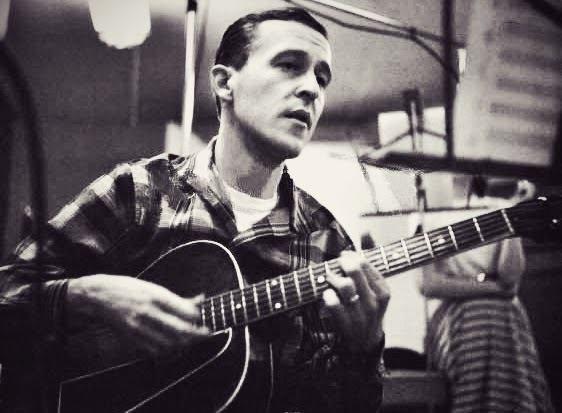
Jimmy Raney’s Spotify BioJimmy Raney was the definitive cool jazz guitarist, a fluid bop soloist with a quiet sound who had a great deal of inner fire. He worked with local groups in Chicago before spending nine months with Woody Herman in 1948. From then on he was in the major leagues, having associations with Al Haig, Buddy DeFranco, Artie Shaw, and Terry Gibbs. His work with Stan Getz (1951-1952) was historic, as the pair made for a classic musical partnership. Raney was also very much at home in the Red Norvo Trio (1953-1954) before spending six years primarily working in a supper club with pianist Jimmy Lyon (1954-1960). After playing with Getz during 1962-1963, he returned to Louisville and was outside of music until resurfacing in the early '70s. During the 1970s, Raney recorded often for Xanadu. He worked frequently with his son Doug Raney (who has a very similar sound on guitar) and was less active in the late '80s and '90s, up until his 1995 death. ~ Scott Yanow, Rovi
Viberate is a music analytics platform built for A&Rs, artist managers, labels, booking agents, marketers, and artists.
It helps music professionals track artist growth, analyze audience data, monitor playlist activity, compare artists, follow song performance, and identify opportunities across the music market.
Public artist pages provide a free preview of selected artist data. Paid plans provide access to deeper analytics, historical data, charts, comparisons, playlist tools, exports, alerts, reports, and additional professional features.
Yes. Public Viberate artist pages provide selected artist analytics and music data for free.
Viberate also offers a 7-day free trial of the full platform. A credit card is required to start the trial. The trial includes access to the complete product so users can test deeper artist analytics, historical views, playlist insights, comparisons, charts, exports, alerts, and reporting features before choosing a paid plan.
Viberate provides artist analytics across streaming, playlists, social media, video, radio airplay, songs, and audience markets.
Users can analyze Spotify performance, Spotify and Apple Music playlists, YouTube activity, TikTok and Instagram growth, radio spins, song performance, audience locations, demographics, rankings, and overall artist momentum.
Artist profiles also connect to music charts, similar artists, and comparison tools, helping users benchmark performance and evaluate artists in context.
Viberate updates key artist and track data daily.
For followed artists and tracks, selected data is refreshed multiple times per day. This helps teams monitor playlist changes, streaming movement, audience growth, releases, and campaign performance with more current data.
Update frequency can vary depending on the metric and data source.
Yes. Viberate lets users compare up to five artists side by side across streaming, social media, audience, and engagement metrics.
Users can compare fanbase growth, audience demographics, locations, Spotify performance, social metrics, and other artist data over selected time periods.
Artist comparison can be used for A&R scouting, benchmarking, booking decisions, campaign planning, and evaluating artists with similar audiences or market positions.