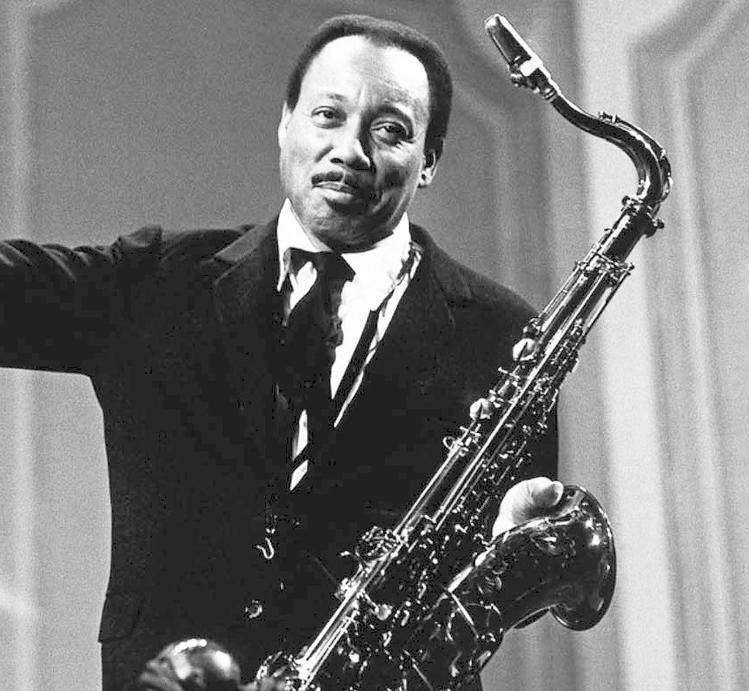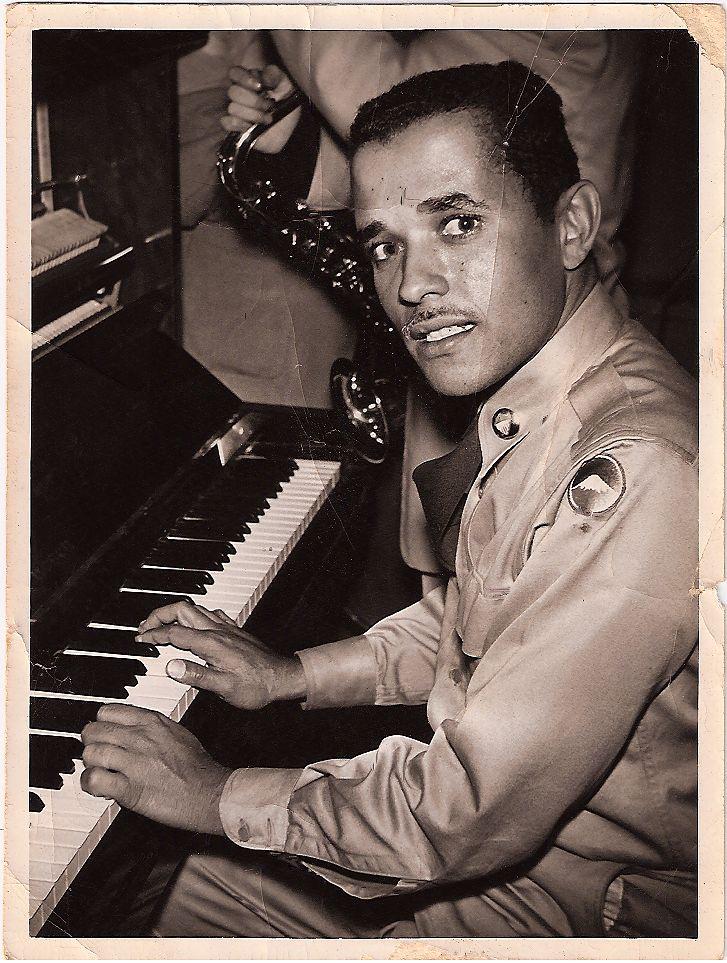
Red Mitchell

Jazz
Swing
Smooth Jazz
 Viberate Rank: 233465
 Viberate Rank: 233465
 Monthly ListenersFollowers
 Subscribers
 Followers
 Followers
 FansTop Spotify Songs
| Track | 7-Day Streams | |
|---|---|---|
1 | 4.68K | |
2 | 1.66K | |
3 | 1.39K | |
4 | 1.23K | |
5 | 1.04K |
Top YouTube VideosMonthly ListenersFeatured in Playlists| Playlist | Followers | |
|---|---|---|
1 |  Haruki Murakami's vinyl collection Masamaro | 109.94K |
2 | 100 Essential Jazz Standards You Should Know cambridgesax | 33.80K |
3 | Jazz Standards Playlist tmorral22 | 19.75K |
4 |  FIP Radio (en live) Matthou | 13.27K |
5 |  Fast Jazz! Filip Grbović | 10.84K |
Audience| City | Monthly Listeners | |
|---|---|---|
1 |  | 79 |
2 |  | 57 |
3 |  | 54 |
4 | | 48 |
5 |  | 44 |
See full performance history, audience data, playlist activity, rankings, comparisons, and more in Viberate music analytics. Start with a free trial, then continue with a paid plan.
Red Mitchell’s Spotify BioA talented bassist who was always in great demand, Red Mitchell was originally a pianist and he doubled on piano on an occasional basis throughout his career. He switched to bass when he was a member of an Army band in Germany. Mitchell played with Jackie Paris (1947-1948), Mundell Lowe, Chubby Jackson's big band, and Charlie Ventura (1949); toured with Woody Herman's Orchestra (1949-1951); and was a member of the popular Red Norvo Trio (1952-1954). He played with the Gerry Mulligan Quartet (1954) and then settled in Los Angeles where, during 1954-1968, he played with nearly everyone, from West Coast jazz stars (particularly Hampton Hawes) to recording with Ornette Coleman (1959) and was a member of the studio orchestra at MGM. He also co-led a quintet with Harold Land during 1961-1962 that recorded for Atlantic. In 1968, Mitchell moved to Stockholm where he led groups, played with European jazzmen, and accompanied visiting Americans, including Dizzy Gillespie and Phil Woods. Mitchell… made occasional visits to the U.S. and shortly before he died, he moved to Oregon. In addition to the Atlantic date, Red Mitchell led albums for Bethlehem (1955), Contemporary, Pacific Jazz, Mercury, SteepleChase, Caprice, Gryphon, Phontastic, Enja, and Capri, in addition to a few smaller European labels. ~ Scott Yanow, Rovi
Viberate is a music analytics platform built for A&Rs, artist managers, labels, booking agents, marketers, and artists.
It helps music professionals track artist growth, analyze audience data, monitor playlist activity, compare artists, follow song performance, and identify opportunities across the music market.
Public artist pages provide a free preview of selected artist data. Paid plans provide access to deeper analytics, historical data, charts, comparisons, playlist tools, exports, alerts, reports, and additional professional features.
Yes. Public Viberate artist pages provide selected artist analytics and music data for free.
Viberate also offers a 7-day free trial of the full platform. A credit card is required to start the trial. The trial includes access to the complete product so users can test deeper artist analytics, historical views, playlist insights, comparisons, charts, exports, alerts, and reporting features before choosing a paid plan.
Viberate provides artist analytics across streaming, playlists, social media, video, radio airplay, songs, and audience markets.
Users can analyze Spotify performance, Spotify and Apple Music playlists, YouTube activity, TikTok and Instagram growth, radio spins, song performance, audience locations, demographics, rankings, and overall artist momentum.
Artist profiles also connect to music charts, similar artists, and comparison tools, helping users benchmark performance and evaluate artists in context.
Viberate updates key artist and track data daily.
For followed artists and tracks, selected data is refreshed multiple times per day. This helps teams monitor playlist changes, streaming movement, audience growth, releases, and campaign performance with more current data.
Update frequency can vary depending on the metric and data source.
Yes. Viberate lets users compare up to five artists side by side across streaming, social media, audience, and engagement metrics.
Users can compare fanbase growth, audience demographics, locations, Spotify performance, social metrics, and other artist data over selected time periods.
Artist comparison can be used for A&R scouting, benchmarking, booking decisions, campaign planning, and evaluating artists with similar audiences or market positions.