Jellybean Benitez

Electronic
House
Dance
 Viberate Rank: 111071
 Viberate Rank: 111071
 Monthly ListenersFollowers
 Subscribers
 Followers
 Followers
 FansTop Spotify Songs
| Track | 7-Day Streams | |
|---|---|---|
1 | 30.36K | |
2 | 5.64K | |
3 | 5.34K | |
4 | 2.26K | |
5 | 1.94K |
Top YouTube Videos| Video | 7-Day Views | |
|---|---|---|
1 | 7.48K | |
2 | 112 | |
3 | 17 | |
4 | 10 | |
5 | 10 |
Monthly ListenersFeatured in Playlists| Playlist | Followers | |
|---|---|---|
1 |  Flashback anos 80 - As melhores wesley80s | 66.72K |
2 | Ignatious Pop 1 | 64.10K |
3 |  Disco Funk music 🕺 70 80 90 📻 Enzo Pianzola Mr. Trend | 62.13K |
4 |  RuPaul's Drag Race Lip Sync Songs TheKongaBeat | 61.05K |
5 |  Now 1 - 114 (1983 - 2023) Now That's What I Call Music 1 - 114 abundantmusic | 56.69K |
Audience| City | Monthly Listeners | |
|---|---|---|
1 |  | 3.58K |
2 |  | 1.56K |
3 | | 683 |
4 | | 554 |
5 | | 506 |
See full performance history, audience data, playlist activity, rankings, comparisons, and more in Viberate music analytics. Start with a free trial, then continue with a paid plan.
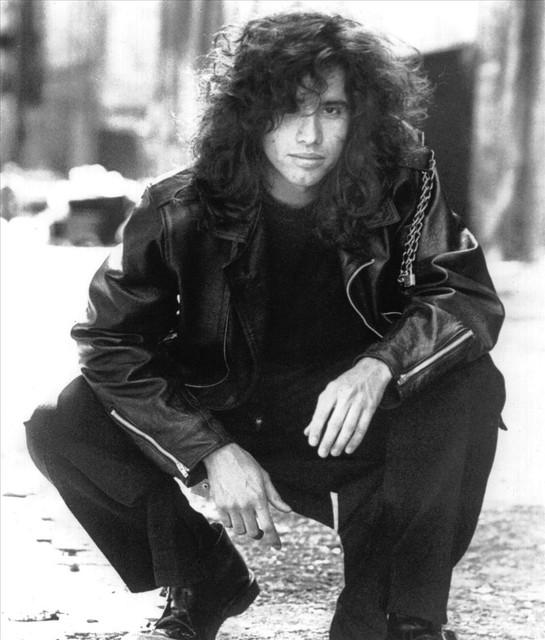
Jellybean Benitez’s Spotify BioOne of the finest remixers and producers during the post-disco days of the 1980s, Jellybean worked with many pop stars during the decade. Born in the South Bronx in 1959, John Benitez was collecting records from an early age; after he attended a nearby disco club called the Sanctuary in the mid-'70s, he became immersed in the growing disco scene and soon became one its best DJs as well as an early producer with his own reel-to-reel machine. After appearances at the clubs Experiment 4 and Xenon, Benitez moved on to such prestigious showplaces as Studio 54 and the Electric Circus. With the dawn of the '80s (and the death of disco), he continued DJing with a residency at Manhattan's Fun House (beginning in 1981), and also hosted a dance show on New York's WKTU.
Jellybean's burgeoning production and remix career went into full gear during 1981-82; he reworked seminal tracks from Rockers Revenge, the Jimmy Spicer Bunch and Afrika Bambaataa, then watched as two of his remixes from 1983's… Flashdance soundtrack ("Flashdance" and "Maniac") became sizeable hits. Madonna, an early club regular who admired Benitez for his DJing as well as his production skills, drafted him to write and produce a track for her debut album later in 1983. Their collaboration "Holiday" became her first hit, and Madonna returned the favor by co-writing another Top 20 hit for Jellybean, "Sidewalk Talk" from his 1984 EP Wotupski!!?! His 1987 debut album Just Visiting This Planet featured Jellybean in his usual production role though his name appeared on the sleeve; despite the mainly unknown guest vocalists, the single "Who Found Who" with Elisa Fiorillo became another Top 20 hit. His second album, 1988's Jellybean Rocks the House, was a much tighter affair though it featured no hits.
Though his solo career took precedence, Jellybean spent more time during the late '80s working on remixes and productions for other pop stars, including Sting, Whitney Houston, Eurythmics, Debbie Harry, Sheena Easton, Book of Love and Debbie Gibson. Though he released his third album in 1991 (Spillin' the Beans), Benitez kept to a low profile for the most part during the 1990s, doing consistent remix and production work. In 1995, he founded H.O.L.A. Recordings (Home of Latino Artists) for Latin-dance releases. ~ John Bush, Rovi
Viberate is a music analytics platform built for A&Rs, artist managers, labels, booking agents, marketers, and artists.
It helps music professionals track artist growth, analyze audience data, monitor playlist activity, compare artists, follow song performance, and identify opportunities across the music market.
Public artist pages provide a free preview of selected artist data. Paid plans provide access to deeper analytics, historical data, charts, comparisons, playlist tools, exports, alerts, reports, and additional professional features.
Yes. Public Viberate artist pages provide selected artist analytics and music data for free.
Viberate also offers a 7-day free trial of the full platform. A credit card is required to start the trial. The trial includes access to the complete product so users can test deeper artist analytics, historical views, playlist insights, comparisons, charts, exports, alerts, and reporting features before choosing a paid plan.
Viberate provides artist analytics across streaming, playlists, social media, video, radio airplay, songs, and audience markets.
Users can analyze Spotify performance, Spotify and Apple Music playlists, YouTube activity, TikTok and Instagram growth, radio spins, song performance, audience locations, demographics, rankings, and overall artist momentum.
Artist profiles also connect to music charts, similar artists, and comparison tools, helping users benchmark performance and evaluate artists in context.
Viberate updates key artist and track data daily.
For followed artists and tracks, selected data is refreshed multiple times per day. This helps teams monitor playlist changes, streaming movement, audience growth, releases, and campaign performance with more current data.
Update frequency can vary depending on the metric and data source.
Yes. Viberate lets users compare up to five artists side by side across streaming, social media, audience, and engagement metrics.
Users can compare fanbase growth, audience demographics, locations, Spotify performance, social metrics, and other artist data over selected time periods.
Artist comparison can be used for A&R scouting, benchmarking, booking decisions, campaign planning, and evaluating artists with similar audiences or market positions.