Jaki Graham

R&B
Soul
Disco
 Viberate Rank: 67371
 Viberate Rank: 67371
 Monthly ListenersFollowers
 Subscribers
 Followers
 Followers
 FansTop Spotify Songs
| Track | 7-Day Streams | |
|---|---|---|
1 | 9.05K | |
2 | 6.88K | |
3 | 6.61K | |
4 | 3.26K | |
5 | 2.58K |
Top YouTube VideosMonthly ListenersFeatured in Playlists| Playlist | Followers | |
|---|---|---|
1 |  Black Britain: Soul Sisters Spotify | 158.34K |
2 | Classic hits everyone knows medomihd | 74.33K |
3 |  Flashback anos 80 - As melhores wesley80s | 66.72K |
4 |  Now 1 - 114 (1983 - 2023) Now That's What I Call Music 1 - 114 abundantmusic | 56.69K |
5 |  60s 70s 80s 90s 00s Greatest Hits and Songs Diestro Music | 51.95K |
Audience| City | Monthly Listeners | |
|---|---|---|
1 | | 4.70K |
2 | | 2.08K |
3 |  | 1.36K |
4 | | 1.07K |
5 |  | 945 |
See full performance history, audience data, playlist activity, rankings, comparisons, and more in Viberate music analytics. Start with a free trial, then continue with a paid plan.
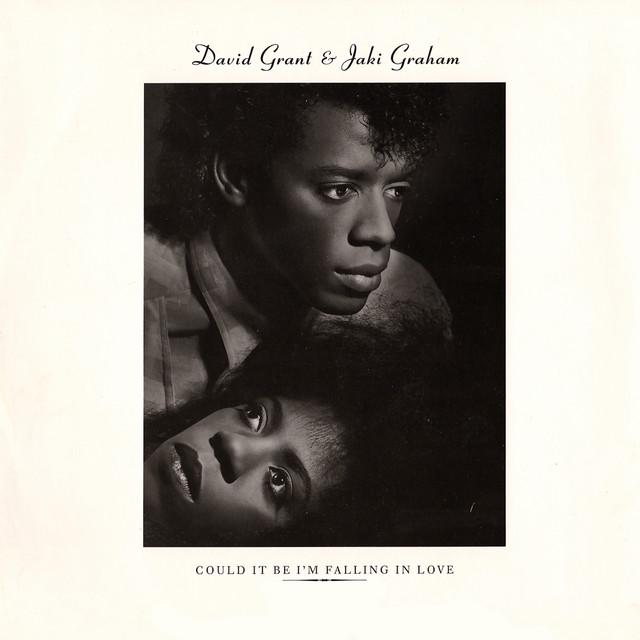
Jaki Graham’s Spotify BioMidlands-based soul singer Jaki Graham established herself as one of the most popular R&B and dance artists in the U.K. with a string of hits in the '80s. Among her chart entries were Top Ten placings for "Could It Be I'm Falling in Love," "Round and Round," and "Set Me Free." Graham also made appearances on releases by other artists, lending her sensual vocals to tracks by UB40, Kim Wilde, Paul Hardcastle, and Afrika Bambaataa. Despite her star status in the U.K., Graham's success in the States has failed to crossover from the dance audience, although she has had success with club audiences, including scoring a massive hit with "Ain't Nobody." Her output beyond the '80s has been neither as prolific or high-profile, with many of her albums seeing release only in Japan, where she maintains huge popularity. ~ Tom Demalon, Rovi
Viberate is a music analytics platform built for A&Rs, artist managers, labels, booking agents, marketers, and artists.
It helps music professionals track artist growth, analyze audience data, monitor playlist activity, compare artists, follow song performance, and identify opportunities across the music market.
Public artist pages provide a free preview of selected artist data. Paid plans provide access to deeper analytics, historical data, charts, comparisons, playlist tools, exports, alerts, reports, and additional professional features.
Yes. Public Viberate artist pages provide selected artist analytics and music data for free.
Viberate also offers a 7-day free trial of the full platform. A credit card is required to start the trial. The trial includes access to the complete product so users can test deeper artist analytics, historical views, playlist insights, comparisons, charts, exports, alerts, and reporting features before choosing a paid plan.
Viberate provides artist analytics across streaming, playlists, social media, video, radio airplay, songs, and audience markets.
Users can analyze Spotify performance, Spotify and Apple Music playlists, YouTube activity, TikTok and Instagram growth, radio spins, song performance, audience locations, demographics, rankings, and overall artist momentum.
Artist profiles also connect to music charts, similar artists, and comparison tools, helping users benchmark performance and evaluate artists in context.
Viberate updates key artist and track data daily.
For followed artists and tracks, selected data is refreshed multiple times per day. This helps teams monitor playlist changes, streaming movement, audience growth, releases, and campaign performance with more current data.
Update frequency can vary depending on the metric and data source.
Yes. Viberate lets users compare up to five artists side by side across streaming, social media, audience, and engagement metrics.
Users can compare fanbase growth, audience demographics, locations, Spotify performance, social metrics, and other artist data over selected time periods.
Artist comparison can be used for A&R scouting, benchmarking, booking decisions, campaign planning, and evaluating artists with similar audiences or market positions.