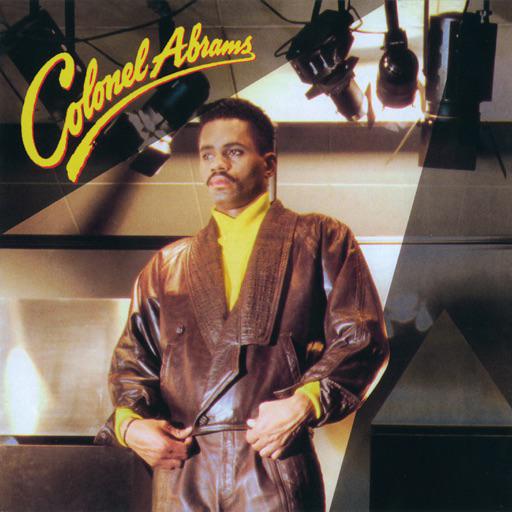
Colonel Abrams

Electronic
House
Dance
 Viberate Rank: 90276
 Viberate Rank: 90276
 Monthly ListenersFollowers
 Subscribers
 Followers
 Followers
 FansTop Spotify Songs
| Track | 7-Day Streams | |
|---|---|---|
1 | 12.38K | |
2 | 4.42K | |
3 | 4.21K | |
4 | 3.96K | |
5 | 3.90K |
Top YouTube VideosMonthly ListenersFeatured in Playlists| Playlist | Followers | |
|---|---|---|
1 |  80s Greatest Hits | The Best Hits of the 1980s! | Press ❤️ to follow!! Andy P - Over 280 Playlists! | 192.87K |
2 | 80s Soul Classics Daniel Benton | 68.39K |
3 | RnB & soul❤️🤧 LWAZI | 65.23K |
4 |  60s 70s 80s 90s 00s Greatest Hits and Songs Diestro Music | 51.95K |
5 |  80s Boogie Spotify | 46.39K |
Audience| City | Monthly Listeners | |
|---|---|---|
1 |  | 7.01K |
2 |  | 4.46K |
3 | | 2.69K |
4 | | 1.85K |
5 |  | 1.46K |
See full performance history, audience data, playlist activity, rankings, comparisons, and more in Viberate music analytics. Start with a free trial, then continue with a paid plan.
Colonel Abrams’ Spotify BioDetroit-born vocalist Colonel Abrams (his actual name) enjoyed moderate success in the late '80s, singing in a harsh, terse soul style while fitting his voice into a garage and house setting. Abrams was in the group Conservative Manor with his brother Morris in the late '60s, then sang lead vocals for 94 East in 1976. Their roster included Prince on guitar. Abrams later joined Surprise Package, a New Jersey group. He scored a mild hit in 1984 with the ballad "Leave the Message Behind the Door" for New York's Streetwise Records. The follow-up, "Music Is the Answer," was an international dance hit and earned him a deal with MCA in 1985. He had more success with the singles "Trapped," "I'm Not Gonna Let You," and "How Soon We Forget" in the late '80s, and also recorded a pair of LPs. Abrams' single "Bad Timing" was produced by Cameo's Larry Blackmon for the independent Horrus label in 1990. ~ Ron Wynn, Rovi
Viberate is a music analytics platform built for A&Rs, artist managers, labels, booking agents, marketers, and artists.
It helps music professionals track artist growth, analyze audience data, monitor playlist activity, compare artists, follow song performance, and identify opportunities across the music market.
Public artist pages provide a free preview of selected artist data. Paid plans provide access to deeper analytics, historical data, charts, comparisons, playlist tools, exports, alerts, reports, and additional professional features.
Yes. Public Viberate artist pages provide selected artist analytics and music data for free.
Viberate also offers a 7-day free trial of the full platform. A credit card is required to start the trial. The trial includes access to the complete product so users can test deeper artist analytics, historical views, playlist insights, comparisons, charts, exports, alerts, and reporting features before choosing a paid plan.
Viberate provides artist analytics across streaming, playlists, social media, video, radio airplay, songs, and audience markets.
Users can analyze Spotify performance, Spotify and Apple Music playlists, YouTube activity, TikTok and Instagram growth, radio spins, song performance, audience locations, demographics, rankings, and overall artist momentum.
Artist profiles also connect to music charts, similar artists, and comparison tools, helping users benchmark performance and evaluate artists in context.
Viberate updates key artist and track data daily.
For followed artists and tracks, selected data is refreshed multiple times per day. This helps teams monitor playlist changes, streaming movement, audience growth, releases, and campaign performance with more current data.
Update frequency can vary depending on the metric and data source.
Yes. Viberate lets users compare up to five artists side by side across streaming, social media, audience, and engagement metrics.
Users can compare fanbase growth, audience demographics, locations, Spotify performance, social metrics, and other artist data over selected time periods.
Artist comparison can be used for A&R scouting, benchmarking, booking decisions, campaign planning, and evaluating artists with similar audiences or market positions.