Alisha

Pop
Mainstream Pop
Dance
 Viberate Rank: 224437
 Viberate Rank: 224437
 Monthly ListenersFollowers
 Subscribers
 Followers
 Followers
 FansTop Spotify Songs
| Track | 7-Day Streams | |
|---|---|---|
1 | 11.51K | |
2 | 6.30K | |
3 | 4.26K | |
4 | 4.14K | |
5 | 1.65K |
Top YouTube VideosMonthly ListenersFeatured in Playlists| Playlist | Followers | |
|---|---|---|
1 |  Freestyle - 80s & 90s Michael Echavarria | 58.78K |
2 | Freestyle 80's 12157724166 | 55.06K |
3 | FREESTYLE MUSIC superyosin | 52.41K |
4 |  The Best Of Freestyle 80's 90's Renato Jayme | 49.84K |
5 |  Magic Circus (1982-1994) 🎪 La Música que Bailamos Ezquerro DJ ☑️ | 21.75K |
Audience| City | Monthly Listeners | |
|---|---|---|
1 |  | 2.17K |
2 | | 1.84K |
3 | | 1.45K |
4 | | 1.18K |
5 | | 1.08K |
See full performance history, audience data, playlist activity, rankings, comparisons, and more in Viberate music analytics. Start with a free trial, then continue with a paid plan.
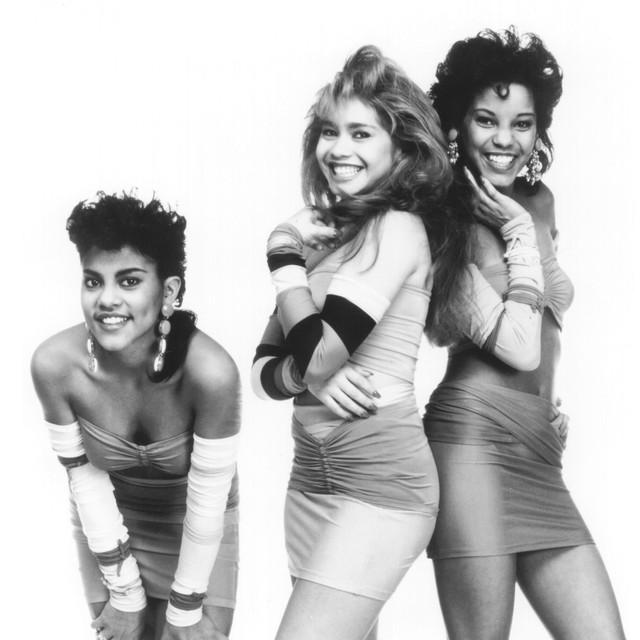
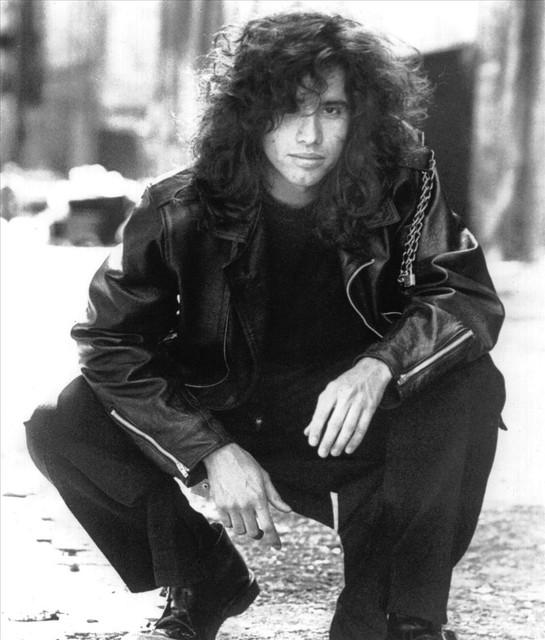
Alisha’s Spotify BioAlisha was discovered by Vanguard Records producer Mark Berry in 1984. Her recording career was launched with three Top 10 Dance Singles, "All Night Passion,” "Too Turned On," and "Baby Talk." The self titled album ALISHA was released in 1985 which included the three above mentioned singles as well as another top twenty single, “Stargazing." ALISHA’s debut album led her to a new record deal with RCA records in 1987. "Nightwalkin" brought Alisha success on the pop charts with two hit singles “Into My Secret” and “Let Your Heart Make Up Your Mind.” It also included the song "Do You Dream About Me," which was written by songwriter Diane Warren and was featured in the movie Mannequin. Alisha moved to MCA records where she prepared for her third album. In 1990, BOUNCE BACK was released. The album featured “Bounce Back,” “Wrong Number," and “You've Really Gotten To Me.” This was also the first time Alisha had recorded one of her own compositions, “Don't Let Our Love Go.” In 1996 she… signed with Critique Records and released a single called “Wherever The Rhythm Takes Me.” The song was written by Michael Jay and produced by Chris Barbosa. In October of 1999, Alisha released a single on Jellybean Records, “Do You Want To Be A Star, Superstar.” The song was written by Michael and Leslie Gore, produced by Jellybean Benitez and Soul Solution. The song was featured in the Paramount Motion Picture "Superstar," making it her second single in a movie soundtrack.
Viberate is a music analytics platform built for A&Rs, artist managers, labels, booking agents, marketers, and artists.
It helps music professionals track artist growth, analyze audience data, monitor playlist activity, compare artists, follow song performance, and identify opportunities across the music market.
Public artist pages provide a free preview of selected artist data. Paid plans provide access to deeper analytics, historical data, charts, comparisons, playlist tools, exports, alerts, reports, and additional professional features.
Yes. Public Viberate artist pages provide selected artist analytics and music data for free.
Viberate also offers a 7-day free trial of the full platform. A credit card is required to start the trial. The trial includes access to the complete product so users can test deeper artist analytics, historical views, playlist insights, comparisons, charts, exports, alerts, and reporting features before choosing a paid plan.
Viberate provides artist analytics across streaming, playlists, social media, video, radio airplay, songs, and audience markets.
Users can analyze Spotify performance, Spotify and Apple Music playlists, YouTube activity, TikTok and Instagram growth, radio spins, song performance, audience locations, demographics, rankings, and overall artist momentum.
Artist profiles also connect to music charts, similar artists, and comparison tools, helping users benchmark performance and evaluate artists in context.
Viberate updates key artist and track data daily.
For followed artists and tracks, selected data is refreshed multiple times per day. This helps teams monitor playlist changes, streaming movement, audience growth, releases, and campaign performance with more current data.
Update frequency can vary depending on the metric and data source.
Yes. Viberate lets users compare up to five artists side by side across streaming, social media, audience, and engagement metrics.
Users can compare fanbase growth, audience demographics, locations, Spotify performance, social metrics, and other artist data over selected time periods.
Artist comparison can be used for A&R scouting, benchmarking, booking decisions, campaign planning, and evaluating artists with similar audiences or market positions.