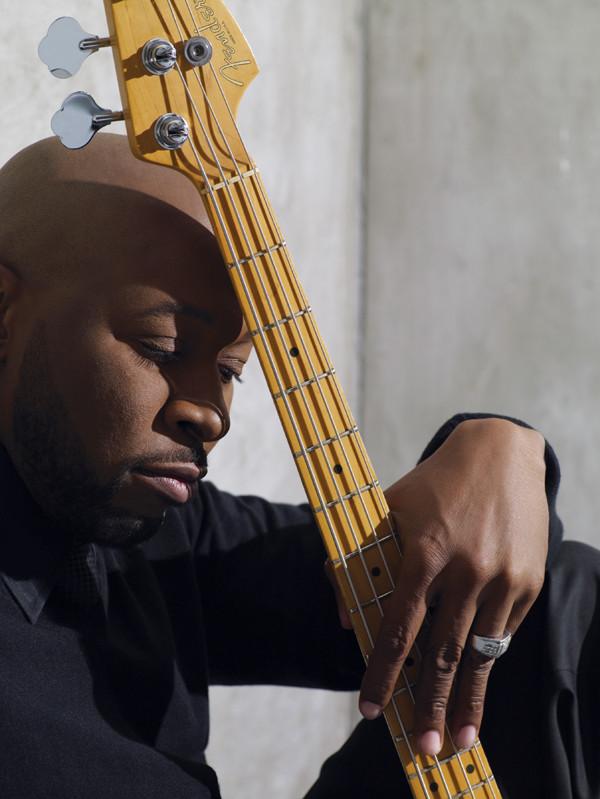
Jeff Lorber

Jazz
Smooth Jazz
Jazz Fusion
 Viberate Rank: 56796
 Viberate Rank: 56796
 Monthly ListenersFollowers
 Subscribers
 Followers
 Followers
 FansTop Spotify Songs
| Track | 7-Day Streams | |
|---|---|---|
1 | 17.69K | |
2 | 14.70K | |
3 | 13.05K | |
4 | 11.11K | |
5 | 7.03K |
Top YouTube VideosMonthly ListenersFeatured in Playlists| Playlist | Followers | |
|---|---|---|
1 |  Nu-Funk Spotify | 357.98K |
2 |  Romantic Smooth Jazz Spotify | 176.27K |
3 |  Bottoms Up Spotify | 168.33K |
4 |  real good shit Tom Misch | 165.62K |
5 |  Smooth Jazz - Instrumental Pekka Martikainen | 141.77K |
Audience| City | Monthly Listeners | |
|---|---|---|
1 | | 2.01K |
2 | | 1.91K |
3 | | 1.72K |
4 |  | 1.66K |
5 | | 1.63K |
See full performance history, audience data, playlist activity, rankings, comparisons, and more in Viberate music analytics. Start with a free trial, then continue with a paid plan.
Jeff Lorber’s Spotify BioKnown for his smooth style of combining elements of funk, R&B, rock, and electric jazz, Grammy Award-winning keyboardist, composer, and producer Jeff Lorber helped pioneer the post-fusion sound of contemporary jazz. He crossed over to the mainstream charts with seven Top 200 titles, in addition to more than a dozen with genre-specific albums including Contemporary Jazz, Dance Albums, and Top R&B/Hip-Hop Albums. Emerging on the scene in the late '70s, Lorber quickly established himself as a leader at the forefront of the electric jazz movement, issuing albums like 1978's Soft Space (featuring Chick Corea and Joe Farrell) and 1977's Water Sign with his group the Jeff Lorber Fusion. He scored a Grammy nomination for his 1985 song "Pacific Coast Highway," an accolade that marked his rise into more commercial crossover jazz, culminating in 1986's Private Passion. Following an extended period as a producer, Lorber returned to regular recording in the '90s and has since balanced his time… between solo albums like 2007's He Had a Hat and productions with his fusion trio like 2017's Prototype. After collaborating with guitarist Mike Stern on 2019's Eleven, the Jeff Lorber Fusion returned to jazz-funk with Space-Time in 2021; they followed with The Drop in 2023.
Born in Philadelphia on November 4, 1952, he began playing the piano at the age of four, and as a teen performed with a variety of local R&B bands. Lorber's infatuation with jazz began during his stay at the Berklee College of Music, and after forming the Jeff Lorber Fusion he issued the group's self-titled debut in 1977. During the first half of the following decade, the band became one of the most popular jazz acts of the period, touring nonstop and even scoring a Best R&B Instrumental Grammy nomination for the radio hit "Pacific Coast Highway." Released in 1986, Private Passion was Lorber's most successful outing yet, but at this commercial peak he stopped recording, instead turning to production and session work.
He did not issue another solo LP until 1991's Worth Waiting For, remaining both a prolific performer and producer for the rest of the decade. He recorded for Verve and Zebra during the '90s then moved over to Narada in the 2000s, releasing successful smooth jazz albums such as 2003's Philly Style and 2005's Flipside. He Had a Hat followed on Blue Note in 2007. In 2010, Lorber released the '70s funk- and soul-inflected Heard That. In 2010, Lorber reactivated the Jeff Lorber Fusion and released Now Is the Time on Heads Up International. The album received generally positive reviews, placed high on the contemporary jazz chart, and was nominated for a Grammy.
Lorber continued to explore with the revitalized JLF, but he went even deeper for 2012's Galaxy (Heads Up/Concord), revisiting in depth the sound he helped pioneer. Lorber, founding Yellowjackets' bassist Jimmy Haslip, and saxophonist Eric Marienthal were accompanied by drummer Vinnie Colaiuta. The album also featured guest spots by trumpeter Randy Brecker, percussionist Lenny Castro, guitarists Paul Jackson, Jr., Michael Thompson, Andrée Theander, and Larry Koonse, and drummer Dave Weckl. In August of 2013, the JLF released Hacienda. It was nominated for Best Pop Instrumental Album at the 2014 Grammy Awards.
After a supporting tour, Lorber and Haslip wasted no time cutting another record. They re-enlisted Colaiuta and recruited Yellowjackets saxophonist Bob Mintzer and guitarist Robben Ford, as well as a host of studio aces including percussionist Lenny Castro and guitarist Jackson, Jr. David Mann was hired to provide horn charts. Step It Up was released by Heads Up in the fall of 2015. Two years later, the keyboardist was back with JLF, this time with saxophonist Andy Snitzer and drummer Gary Novak for Prototype. The album took home the Grammy for Best Contemporary Instrumental Album. Snitzer and Novak were also on board for 2018's Impact. A year later, Lorber teamed with veteran jazz and fusion guitarist Mike Stern for the album Eleven (titled for the mythical above-the-maximum volume setting on amplifiers), for Concord Jazz. The pair were brought together by bassist and producer Jimmy Haslip, who had worked with both men extensively. Eleven was issued in September, preceded by the single "Ha Ha."
In June 2021, the Jeff Lorber Fusion released Space-Time on Shanachie. In addition to the Novak and Haslip rhythm section, arranger/saxophonist David Mann, and guitarist Paul Jackson, Jr., Lorber also enlisted guest spots from old friends including saxophonist Bob Mintzer, flutist Hubert Laws, bassist Gerald Albright, and guitarists Robben Ford and Michael Landau. Successful tours and festival appearances followed.
The Jeff Lorber Fusion -- composed of the leader, bassist Haslip, and drummer Gary Novak -- released The Drop for Shanachie in September 2023. The studio cast included Snarky Puppy guitarist Marc Lettier, and the lion's share of session players from the Space Time recording. ~ Jason Ankeny, Rovi
Viberate is a music analytics platform built for A&Rs, artist managers, labels, booking agents, marketers, and artists.
It helps music professionals track artist growth, analyze audience data, monitor playlist activity, compare artists, follow song performance, and identify opportunities across the music market.
Public artist pages provide a free preview of selected artist data. Paid plans provide access to deeper analytics, historical data, charts, comparisons, playlist tools, exports, alerts, reports, and additional professional features.
Yes. Public Viberate artist pages provide selected artist analytics and music data for free.
Viberate also offers a 7-day free trial of the full platform. A credit card is required to start the trial. The trial includes access to the complete product so users can test deeper artist analytics, historical views, playlist insights, comparisons, charts, exports, alerts, and reporting features before choosing a paid plan.
Viberate provides artist analytics across streaming, playlists, social media, video, radio airplay, songs, and audience markets.
Users can analyze Spotify performance, Spotify and Apple Music playlists, YouTube activity, TikTok and Instagram growth, radio spins, song performance, audience locations, demographics, rankings, and overall artist momentum.
Artist profiles also connect to music charts, similar artists, and comparison tools, helping users benchmark performance and evaluate artists in context.
Viberate updates key artist and track data daily.
For followed artists and tracks, selected data is refreshed multiple times per day. This helps teams monitor playlist changes, streaming movement, audience growth, releases, and campaign performance with more current data.
Update frequency can vary depending on the metric and data source.
Yes. Viberate lets users compare up to five artists side by side across streaming, social media, audience, and engagement metrics.
Users can compare fanbase growth, audience demographics, locations, Spotify performance, social metrics, and other artist data over selected time periods.
Artist comparison can be used for A&R scouting, benchmarking, booking decisions, campaign planning, and evaluating artists with similar audiences or market positions.