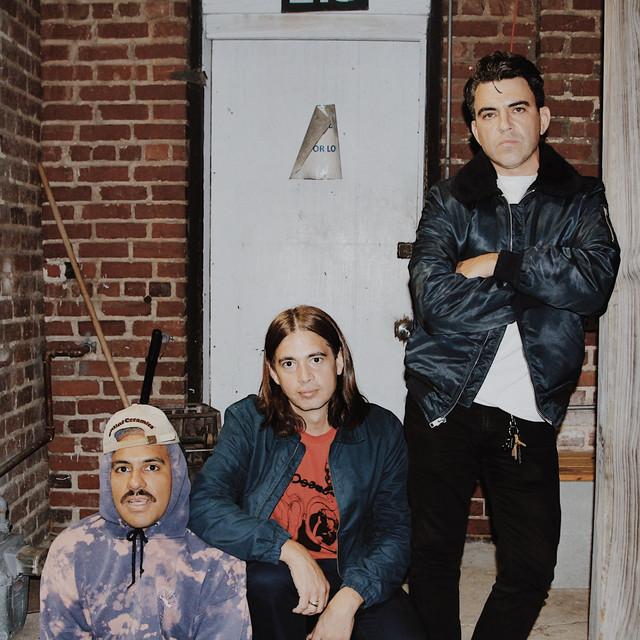
The Babies

Rock
Garage Rock
Pop Rock
 Viberate Rank: 159727
 Viberate Rank: 159727
 Monthly ListenersFollowers
 Subscribers
 Followers
 Followers
 FansTop Spotify Songs
| Track | 7-Day Streams | |
|---|---|---|
1 | 7.14K | |
2 | 4.12K | |
3 | 2.91K | |
4 | 2.19K | |
5 | 1.60K |
Top YouTube VideosMonthly ListenersFeatured in Playlists| Playlist | Followers | |
|---|---|---|
1 | Jillian Nichols | 87.21K |
2 |  Girls | Official HBO | 48.74K |
3 | +400 Hits indie/alternative Javier Espinosa | 27.84K |
4 |  Music from Girls (HBO) Soundtrack Yann Kerjan | 22.73K |
5 |  Girls on HBO (Seasons 1-6) Bands Under The Radar | 22.12K |
Audience| City | Monthly Listeners | |
|---|---|---|
1 | | 1.03K |
2 | | 698 |
3 | | 658 |
4 | | 562 |
5 | | 514 |
See full performance history, audience data, playlist activity, rankings, comparisons, and more in Viberate music analytics. Start with a free trial, then continue with a paid plan.
The Babies’ Spotify BioThe Babies were born out of a friendship between Cassie Ramone of the Vivian Girls and Kevin Morby of Woods. During a break in the schedules of the two much-loved Brooklyn noise pop bands in the winter of 2008, Ramone and Morby shared an apartment and decided to start a band. The idea was to recapture the early, stress-free days of playing music before they were both in groups that had gained some success and created accompanying pressures. Despite writing a few songs, nothing much came of the idea until the next winter when both bands again had a break. With the addition of Ramone's former bandmate in Bossy, Justin Sullivan, on drums, the trio began writing songs in earnest that met somewhere between the sugary fuzz of the Vivian Girls and the ramshackle indie rock of Woods. After bassist Nathanael Stark joined the band, the quartet -- now named the Babies -- began playing shows in the summer of 2010. Recording when they could find a chance, the Babies released singles for the small W…ild World and Make a Mess labels before releasing their self-titled debut album for Shrimper in February of 2011. The band toured for much of the year, eventually replacing Stark with new bassist Brian Schleyer. In early 2012, they left their Brooklyn home to record their second album in sunnier Los Angeles. The result was Our House on the Hill, released on Woodsist later in the year. ~ Tim Sendra, Rovi
Viberate is a music analytics platform built for A&Rs, artist managers, labels, booking agents, marketers, and artists.
It helps music professionals track artist growth, analyze audience data, monitor playlist activity, compare artists, follow song performance, and identify opportunities across the music market.
Public artist pages provide a free preview of selected artist data. Paid plans provide access to deeper analytics, historical data, charts, comparisons, playlist tools, exports, alerts, reports, and additional professional features.
Yes. Public Viberate artist pages provide selected artist analytics and music data for free.
Viberate also offers a 7-day free trial of the full platform. A credit card is required to start the trial. The trial includes access to the complete product so users can test deeper artist analytics, historical views, playlist insights, comparisons, charts, exports, alerts, and reporting features before choosing a paid plan.
Viberate provides artist analytics across streaming, playlists, social media, video, radio airplay, songs, and audience markets.
Users can analyze Spotify performance, Spotify and Apple Music playlists, YouTube activity, TikTok and Instagram growth, radio spins, song performance, audience locations, demographics, rankings, and overall artist momentum.
Artist profiles also connect to music charts, similar artists, and comparison tools, helping users benchmark performance and evaluate artists in context.
Viberate updates key artist and track data daily.
For followed artists and tracks, selected data is refreshed multiple times per day. This helps teams monitor playlist changes, streaming movement, audience growth, releases, and campaign performance with more current data.
Update frequency can vary depending on the metric and data source.
Yes. Viberate lets users compare up to five artists side by side across streaming, social media, audience, and engagement metrics.
Users can compare fanbase growth, audience demographics, locations, Spotify performance, social metrics, and other artist data over selected time periods.
Artist comparison can be used for A&R scouting, benchmarking, booking decisions, campaign planning, and evaluating artists with similar audiences or market positions.