George Morgan

Country
Contemporary Country
 Viberate Rank: 222763
 Viberate Rank: 222763
 Monthly ListenersFollowers
 Subscribers
 Followers
 Followers
 FansTop Spotify Songs
| Track | 7-Day Streams | |
|---|---|---|
1 | 1.26K | |
2 | 1.26K | |
3 | 1.05K | |
4 | 803 | |
5 | 672 |
Top YouTube VideosMonthly ListenersFeatured in Playlists| Playlist | Followers | |
|---|---|---|
1 |  40s Country Spotify | 149.76K |
2 |  Old Country Classics Glenn Asbjørn B. Ovedal | 34.48K |
3 |  Essential Classics Essential Classics | 31.39K |
4 | ron72963 | 5.85K |
5 | Lorrie Morgan — Greatest Hits Eric Barnes | 5.33K |
Audience| City | Monthly Listeners | |
|---|---|---|
1 |  | 165 |
2 | | 163 |
3 | | 136 |
4 |  | 84 |
5 | | 80 |
See full performance history, audience data, playlist activity, rankings, comparisons, and more in Viberate music analytics. Start with a free trial, then continue with a paid plan.
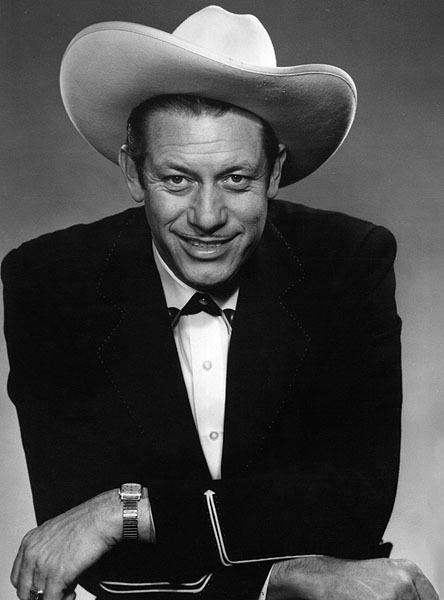
George Morgan’s Spotify BioThe Candy Kid -- as George Morgan was known after his first hit, "Candy Kisses," spent three weeks at the top of the country chart -- was a grand country crooner in the tradition of Eddy Arnold, whom he replaced on the Grand Old Opry in 1948. Born in Waverly, Tennessee, on June 28, 1924, Morgan and his family moved to Ohio not long after. He grew up listening to the Opry and formed his first band in the mid-'40s. Occasional spots on local radio did little for Morgan's career, but after he wrote "Candy Kisses," WWVA-Wheeling (West Virginia) hired him for the Wheelin Jamboree. The Grand Old Opry called soon after, and Columbia Records contracted Morgan in 1948.
"Candy Kisses" was finally released early the following year and it hit number one in April; though it proved Morgan's only chart-topper, he placed six of his next seven singles in the Country Top Ten. "Please Don't Let Me Love You," the B-side of "Candy Kisses," reached the Top Five soon after, and another double-sided hit,… "Rainbow in My Heart"/"All I Need Is Some More Lovin'" continued the success. Three Top Ten singles (plus the near-miss "All I Need") in the span of a month was simply astonishing for a debut artist, and Morgan proved he was no fluke by closing out 1949 with three more Top Five hits: "Room Full of Roses," "Cry-Baby Heart," and "I Love Everything About You."
It was almost inevitable that Morgan's chart success would taper somewhat, though the three-year gap between hits from late 1949 to 1952 was surprising. "Almost" reached number two in April 1952, however, and Morgan's performances on the Grand Old Opry sustained his reputation. He left the show in 1956 to host a TV program in Nashville, but returned to the Opry three years later. He christened his return in 1959 with "I'm in Love Again," which hit number three. Early the following year, "You're the Only Good Thing (That's Happened to Me)" hit number four, but it was Morgan's last Top 20 entry.
From 1965 to 1975, George Morgan remained with the Opry and recorded frequently, hitting the nether reaches of the country charts consistently. He witnessed his daughter Lorrie's debut on the Opry, but didn't live to see her musical success in the late '80s: he passed away in July 1975 after a heart attack. His posthumous father-daughter duet, "I'm Completely Satisfied with You," hit the charts in 1979. ~ John Bush, Rovi
Viberate is a music analytics platform built for A&Rs, artist managers, labels, booking agents, marketers, and artists.
It helps music professionals track artist growth, analyze audience data, monitor playlist activity, compare artists, follow song performance, and identify opportunities across the music market.
Public artist pages provide a free preview of selected artist data. Paid plans provide access to deeper analytics, historical data, charts, comparisons, playlist tools, exports, alerts, reports, and additional professional features.
Yes. Public Viberate artist pages provide selected artist analytics and music data for free.
Viberate also offers a 7-day free trial of the full platform. A credit card is required to start the trial. The trial includes access to the complete product so users can test deeper artist analytics, historical views, playlist insights, comparisons, charts, exports, alerts, and reporting features before choosing a paid plan.
Viberate provides artist analytics across streaming, playlists, social media, video, radio airplay, songs, and audience markets.
Users can analyze Spotify performance, Spotify and Apple Music playlists, YouTube activity, TikTok and Instagram growth, radio spins, song performance, audience locations, demographics, rankings, and overall artist momentum.
Artist profiles also connect to music charts, similar artists, and comparison tools, helping users benchmark performance and evaluate artists in context.
Viberate updates key artist and track data daily.
For followed artists and tracks, selected data is refreshed multiple times per day. This helps teams monitor playlist changes, streaming movement, audience growth, releases, and campaign performance with more current data.
Update frequency can vary depending on the metric and data source.
Yes. Viberate lets users compare up to five artists side by side across streaming, social media, audience, and engagement metrics.
Users can compare fanbase growth, audience demographics, locations, Spotify performance, social metrics, and other artist data over selected time periods.
Artist comparison can be used for A&R scouting, benchmarking, booking decisions, campaign planning, and evaluating artists with similar audiences or market positions.