Jakob Hellman

Pop
Mainstream Pop
Pop Rock
 Viberate Rank: 121193
 Viberate Rank: 121193
 Monthly ListenersFollowers
 Subscribers
 Followers
 Followers
 FansTop Spotify Songs
| Track | 7-Day Streams | |
|---|---|---|
1 | 28.19K | |
2 | 21.81K | |
3 | 17.99K | |
4 | 7.40K | |
5 | 5.34K |
Top YouTube VideosMonthly ListenersFeatured in Playlists| Playlist | Followers | |
|---|---|---|
1 |  Svenska Favoriter Spotify | 295.92K |
2 |  Svenska låtar alla kan! 🇸🇪 Filtr Sweden | 111.64K |
3 |  Sommarklassiker 🇸🇪 Filtr Legacy Sweden | 68.62K |
4 |  Det svenska Åttiotalet Spotify | 63.44K |
5 |  80-tals Hits ✨ 80-talets bästa låtar Filtr Sweden | 57.94K |
Audience| City | Monthly Listeners | |
|---|---|---|
1 | | 29.56K |
2 | | 16.17K |
3 | | 8.80K |
4 | | 3.65K |
5 | | 2.16K |
See full performance history, audience data, playlist activity, rankings, comparisons, and more in Viberate music analytics. Start with a free trial, then continue with a paid plan.
Jakob Hellman’s Spotify BioOne record was all it took for Jakob Hellman to become one of Sweden's most legendary pop stars. His 1989 debut, ...och stora havet, created the norm by which every pop singer, singing in Swedish, had to be judged, and it was all he released for over three decades, until he returned in 2021 with his long-awaited second album, Äntligen borta.
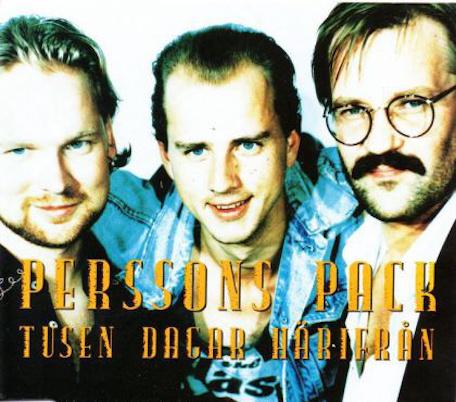
After playing with some obscure bands in Falun, Hellman released ...och stora havet in 1989, which included the big hit "Vara Vänner." The album won him a Swedish Grammy award as Best Male Rock artist and a place in pop history. The record was followed by a tour, and that was followed by nothing, or very close to nothing. Because even though Hellman appeared on one track of Svenska Hjärtan by the folk-rock band Perssons Pack and on two tribute albums, he did not record any new material and did not tour. Of course, this was the source of a lot of rumors about the reason for his absence, blaming it on a nervous breakdown, drug use, or just… disappointment with the pop star life. Meanwhile, the critics and the record companies started looking for the new Jakob Hellman, making the actual Hellman more and more mythic.
In the late '90s, ...och stora havet was elected the Best Swedish Album of all time by a jury of critics and musicians. Young male artists with personal lyrics, like Håkan Hellström and Love Olzon, still had to be compared to him at their debuts, none of them having much to do with Hellman or each other. What gave him this mythic position naturally was not only his sudden disappearance but also very gifted lyrics, catchy melodies, and his cautious, vulnerable appearance, which seemed inseparable from the songs. Not only looking for the new Hellman, the critics also hoped for his return. The day before Christmas 1998, it actually happened, when he, together with the temporary constellation Skåningarna, played at a party in Stockholm. The next year saw Hellman touring under his own name, playing covers and songs from his now ten-year-old record. This was the first time he had been on the road since the debut, but no new album followed on his return.
Finally, Hellman began touring again in the early 2010s, and his second full-length, Äntligen borta, arrived in 2021. A live release, Live från Palma, also appeared. ~ Lars Lovén, Rovi
Viberate is a music analytics platform built for A&Rs, artist managers, labels, booking agents, marketers, and artists.
It helps music professionals track artist growth, analyze audience data, monitor playlist activity, compare artists, follow song performance, and identify opportunities across the music market.
Public artist pages provide a free preview of selected artist data. Paid plans provide access to deeper analytics, historical data, charts, comparisons, playlist tools, exports, alerts, reports, and additional professional features.
Yes. Public Viberate artist pages provide selected artist analytics and music data for free.
Viberate also offers a 7-day free trial of the full platform. A credit card is required to start the trial. The trial includes access to the complete product so users can test deeper artist analytics, historical views, playlist insights, comparisons, charts, exports, alerts, and reporting features before choosing a paid plan.
Viberate provides artist analytics across streaming, playlists, social media, video, radio airplay, songs, and audience markets.
Users can analyze Spotify performance, Spotify and Apple Music playlists, YouTube activity, TikTok and Instagram growth, radio spins, song performance, audience locations, demographics, rankings, and overall artist momentum.
Artist profiles also connect to music charts, similar artists, and comparison tools, helping users benchmark performance and evaluate artists in context.
Viberate updates key artist and track data daily.
For followed artists and tracks, selected data is refreshed multiple times per day. This helps teams monitor playlist changes, streaming movement, audience growth, releases, and campaign performance with more current data.
Update frequency can vary depending on the metric and data source.
Yes. Viberate lets users compare up to five artists side by side across streaming, social media, audience, and engagement metrics.
Users can compare fanbase growth, audience demographics, locations, Spotify performance, social metrics, and other artist data over selected time periods.
Artist comparison can be used for A&R scouting, benchmarking, booking decisions, campaign planning, and evaluating artists with similar audiences or market positions.