Imperiet

Rock
Alternative Rock
Mainstream Pop
 Viberate Rank: 106952
 Viberate Rank: 106952
 Monthly ListenersFollowers
 Subscribers
 Followers
 Followers
 FansTop Spotify Songs
| Track | 7-Day Streams | |
|---|---|---|
1 | 24.56K | |
2 | 14.53K | |
3 | 14.46K | |
4 | 12.89K | |
5 | 9.64K |
Top YouTube Videos| Video | 7-Day Views | |
|---|---|---|
1 | 3.83K | |
2 | 75 | |
3 | 60 | |
4 | 26 |
Monthly ListenersFeatured in Playlists| Playlist | Followers | |
|---|---|---|
1 |  Svenska Favoriter Spotify | 295.92K |
2 |  Svenska låtar alla kan! 🇸🇪 Filtr Sweden | 111.64K |
3 |  Det svenska Åttiotalet Spotify | 63.44K |
4 |  80-tals Hits ✨ 80-talets bästa låtar Filtr Sweden | 57.94K |
5 |  Svenska Klassiker 🇸🇪 hits & favoriter Filtr Sweden | 47.37K |
Audience| City | Monthly Listeners | |
|---|---|---|
1 | | 31.30K |
2 | | 18.22K |
3 | | 9.18K |
4 | | 3.89K |
5 |  | 2.62K |
See full performance history, audience data, playlist activity, rankings, comparisons, and more in Viberate music analytics. Start with a free trial, then continue with a paid plan.
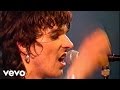
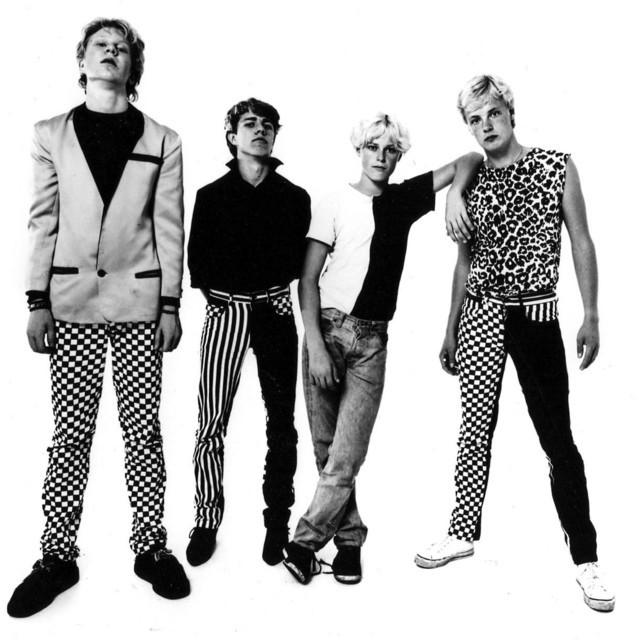
Imperiet’s Spotify BioDuring a few years in the '80s, Imperiet dominated the Swedish alternative rock scene, and even though Thåström never saw it as one of his best periods, it was this period that cemented his fame. Starting out as an alternative band with roots in punk rock, Imperiet became known to a wider audience with their second album, Blå Himlen Blues, and soon they had become the most popular Swedish rock band. They kept their fame the following years and released another highly successful album; but after failing to break abroad, the group started to disintegrate and in 1988 they finally broke up.
Imperiet started as Rymdimperiet, a side project to the most popular punk band in Sweden, Ebba Grön, and included three of its members. Rymdimperiet's single, "Vad Pojkar Vill Ha," and the self-titled EP from the next year was a development away from punk, similar to what could be heard on Ebba Grön's albums, only more marked. When Ebba Grön broke up in 1983, Rymdimperiet re-emerged as Imperiet; singer… and guitarist Thåström, drummer Ljungstedt, and keyboard player Sjöholm were joined by bassist Falk from Madhouse. Imperiet's debut single was called "Alltid Rött Alltid Rätt" and later the same year they released "Rasera," on which some of the punk heritage could still be heard in the lyrics. In 1983, Hägglund joined the band to play keyboard and saxophone, and Sjöholm switched to guitar. But he left in 1994 to form Babylon Blues.
With some fame inherited from Ebba Grön, Imperiet got a flying start on the alternative market, and in 1985, the release of Blå Himlen Blues meant a massive breakthrough on the mainstream market. Imperiet ended up doing three nationwide tours that year, playing in the States for the first time and recording their first live album, 2:a Augusti 1985. After Ljungstedt left the band, Imperiet kept up their popularity by releasing Carl Michael Bellman's old ballad, "Märk Hur Vår Skugga," as a single, and in the spring they toured Central America and the U.S. Synd was released in 1986 and featured the not yet so experimental string quartet Flesh Quartet. Now plans for an international career were being drawn up together with the record company A&M. A single had already been released in England, and while touring Sweden, the band started to record their first full-length album in English. It was released in spring 1988 under the name Imperiet and contained translated versions of their old songs. But in spite of an intensive promotion tour through Europe, the album was only a success in Sweden, and this put an end to plans for an international career. After this, Imperiet was known to be torn by internal troubles. Hägglund left the group and Tiggarens Tal, by many considered Imperiet's weakest record, was recorded using session musicians. The remaining trio continued to tour in 1988, but in the autumn they finally decided to disband what had been the most popular Swedish group of the '80s. Thåström had been the star all along, and he was the only one of the members to have a successful solo career, continuing on the same musical track before turning to industrial rock with Peace Love & Pitbulls in the '90s. ~ Lars Lovén, Rovi
Viberate is a music analytics platform built for A&Rs, artist managers, labels, booking agents, marketers, and artists.
It helps music professionals track artist growth, analyze audience data, monitor playlist activity, compare artists, follow song performance, and identify opportunities across the music market.
Public artist pages provide a free preview of selected artist data. Paid plans provide access to deeper analytics, historical data, charts, comparisons, playlist tools, exports, alerts, reports, and additional professional features.
Yes. Public Viberate artist pages provide selected artist analytics and music data for free.
Viberate also offers a 7-day free trial of the full platform. A credit card is required to start the trial. The trial includes access to the complete product so users can test deeper artist analytics, historical views, playlist insights, comparisons, charts, exports, alerts, and reporting features before choosing a paid plan.
Viberate provides artist analytics across streaming, playlists, social media, video, radio airplay, songs, and audience markets.
Users can analyze Spotify performance, Spotify and Apple Music playlists, YouTube activity, TikTok and Instagram growth, radio spins, song performance, audience locations, demographics, rankings, and overall artist momentum.
Artist profiles also connect to music charts, similar artists, and comparison tools, helping users benchmark performance and evaluate artists in context.
Viberate updates key artist and track data daily.
For followed artists and tracks, selected data is refreshed multiple times per day. This helps teams monitor playlist changes, streaming movement, audience growth, releases, and campaign performance with more current data.
Update frequency can vary depending on the metric and data source.
Yes. Viberate lets users compare up to five artists side by side across streaming, social media, audience, and engagement metrics.
Users can compare fanbase growth, audience demographics, locations, Spotify performance, social metrics, and other artist data over selected time periods.
Artist comparison can be used for A&R scouting, benchmarking, booking decisions, campaign planning, and evaluating artists with similar audiences or market positions.