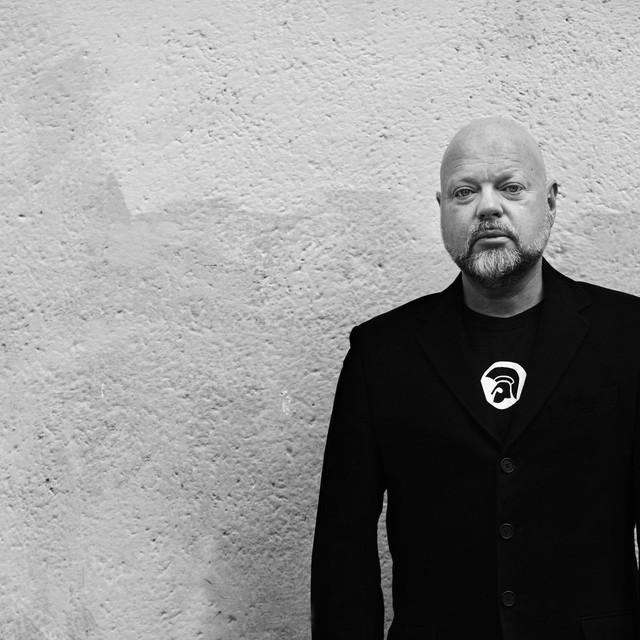
Mauro Scocco

Rock
Pop Rock
Mainstream Pop
 Viberate Rank: 74592
 Viberate Rank: 74592
 Monthly ListenersFollowers
 Subscribers
 Followers
 Followers
 FansTop Spotify Songs
| Track | 7-Day Streams | |
|---|---|---|
1 | 21.25K | |
2 | 19.87K | |
3 | 9.88K | |
4 | 9.77K | |
5 | 8.58K |
Top YouTube VideosMonthly ListenersFeatured in Playlists| Playlist | Followers | |
|---|---|---|
1 |  Svenska Favoriter Spotify | 295.91K |
2 |  Written By Max Martin Spotify | 167.25K |
3 |  Svenska låtar alla kan! 🇸🇪 Filtr Sweden | 111.62K |
4 |  Godnattvisor Spotify | 109.46K |
5 |  Lugna Favoriter 2026 🤍 skön & mysig musik Filtr Sweden | 94.65K |
Audience| City | Monthly Listeners | |
|---|---|---|
1 | | 28.70K |
2 | | 15.56K |
3 | | 8.60K |
4 | | 3.16K |
5 | | 1.86K |
See full performance history, audience data, playlist activity, rankings, comparisons, and more in Viberate music analytics. Start with a free trial, then continue with a paid plan.
Mauro Scocco’s Spotify BioMauro Scocco first reached fame in the '80s as a member of the pop group Ratata. In the '90, he went solo and repeatedly scored radio and chart hits with his romantic and slick ballads. Just as important was his work as a songwriter for, among others, soul and pop singer Lisa Nilsson and as record company owner and producer. Scocco's mainstream pop appeal lessened slightly in the late '90s, but he was still a major artist on the Swedish adult contemporary scene.
At the age of ten, Mauro Scocco moved with his parents to Stockholm from the small town of Fristad. Eight years later, still attending school, he formed the band Ratata with Anders Skog, Johan Kling, Heinz Liljedahl, and Johan Ekelund. In 1981, they released their debut single and soon also a full-length album. Due to internal conflicts, the band soon broke up but was re-formed as a duo, now only featuring Scocco and Ekelund. It was with this setting, and romantic mainstream pop, that Ratata became one of the more important… Swedish pop groups during the '80s. In 1988, they took a break and Scocco released his self-titled solo debut. His even more radio-friendly solo material matched the success of Ratata very well and the song "Sarah" was the big hit in Sweden in 1988.
Ratata reunited for Människor Under Molnen and an arena tour, but, in 1991, Scocco had gone solo again and released Dr. Space Dagbok. The big hit from this album was, not unexpectedly, another soft ballad: "Till de Ensamma." The same year, he released another, more obscure album: Det Sjungande Trädet. Containing only instrumental piano music, the rather unknown effort is an interesting contrast to the radio pop that Scocco is usually associated with. During the '90s, his sound changed to become even more polished and sophisticated, leaving most traces of '80s pop behind. The result is often described as pop-soul, very slick and radio friendly. 28 Grader i Skuggan from 1994 is considered the record where this change was first fully realized. Meanwhile, Scocco was just as successful as a songwriter. Among the hits he has written is Lisa Nilsson's "Himlen Runt Hörnet," released on Scocco's own Diesel.
The album Godmorgon Sverige followed the same slick pop-soul formula as the prior album and featured the big hit "Om Det Är O.K.," but on Tillbaks till Världen, Scocco released a somewhat more earthy album, even considered by some as a singer/songwriter. ~ Lars Lovén, Rovi
Viberate is a music analytics platform built for A&Rs, artist managers, labels, booking agents, marketers, and artists.
It helps music professionals track artist growth, analyze audience data, monitor playlist activity, compare artists, follow song performance, and identify opportunities across the music market.
Public artist pages provide a free preview of selected artist data. Paid plans provide access to deeper analytics, historical data, charts, comparisons, playlist tools, exports, alerts, reports, and additional professional features.
Yes. Public Viberate artist pages provide selected artist analytics and music data for free.
Viberate also offers a 7-day free trial of the full platform. A credit card is required to start the trial. The trial includes access to the complete product so users can test deeper artist analytics, historical views, playlist insights, comparisons, charts, exports, alerts, and reporting features before choosing a paid plan.
Viberate provides artist analytics across streaming, playlists, social media, video, radio airplay, songs, and audience markets.
Users can analyze Spotify performance, Spotify and Apple Music playlists, YouTube activity, TikTok and Instagram growth, radio spins, song performance, audience locations, demographics, rankings, and overall artist momentum.
Artist profiles also connect to music charts, similar artists, and comparison tools, helping users benchmark performance and evaluate artists in context.
Viberate updates key artist and track data daily.
For followed artists and tracks, selected data is refreshed multiple times per day. This helps teams monitor playlist changes, streaming movement, audience growth, releases, and campaign performance with more current data.
Update frequency can vary depending on the metric and data source.
Yes. Viberate lets users compare up to five artists side by side across streaming, social media, audience, and engagement metrics.
Users can compare fanbase growth, audience demographics, locations, Spotify performance, social metrics, and other artist data over selected time periods.
Artist comparison can be used for A&R scouting, benchmarking, booking decisions, campaign planning, and evaluating artists with similar audiences or market positions.