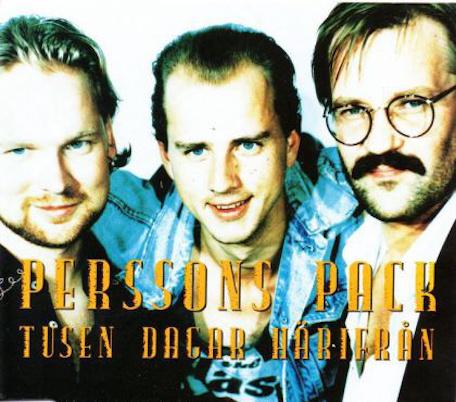
Olle Ljungström

Rock
Indie Rock
Mainstream Pop
 Viberate Rank: 139879
 Viberate Rank: 139879
 Monthly ListenersFollowers
 Subscribers
 Followers
 Followers
 FansTop Spotify Songs
| Track | 7-Day Streams | |
|---|---|---|
1 | 11.87K | |
2 | 10.62K | |
3 | 10.45K | |
4 | 8.98K | |
5 | 8.48K |
Top YouTube VideosMonthly ListenersFeatured in Playlists| Playlist | Followers | |
|---|---|---|
1 |  Så mycket bättre 2010-2024 TV4 | 45.34K |
2 |  Svenskt 90-tal 🇸🇪 Music Playlists | 14.51K |
3 | Sigges bästa låtar Sigge Eklund | 13.75K |
4 | Så mycket bättre 2024 – Låtarna & Originalen Filtr Sweden | 10.74K |
5 | De bästa svenska låtarna någonsin thegoldenboy2011 | 9.99K |
Audience| City | Monthly Listeners | |
|---|---|---|
1 | | 22.71K |
2 | | 10.37K |
3 | | 5.15K |
4 | | 2.56K |
5 |  | 1.30K |
See full performance history, audience data, playlist activity, rankings, comparisons, and more in Viberate music analytics. Start with a free trial, then continue with a paid plan.
Olle Ljungström’s Spotify BioA member of the new wave band Reeperbahn between 1979-1983, Olle Ljungström is a Swedish singer/songwriter who made his solo album debut in 1993 and hit the Top Ten of the albums chart with regularity in subsequent years. Born Lars Olof Gustaf Ljungström on August 12, 1961, in Vaxholm, Sweden, he began his recording career as a member of the new wave band Reeperbahn. Comprised of Dan Sundquist (vocals, bass), Eddie Sjöberg (guitar), and Peter Korhonen (drums), in addition to Ljungström (vocals, guitar), the band made its commercial recording debut in 1979 with the single "Havet Ligger Blankt" on Mercury Records. The eponymous album debut Reeperbahn (1979) followed shortly thereafter. The band's second album, Venuspassagen (1981), was its most successful, reaching the Top Ten, and fourth album Peep-Show (1983) was also particularly popular, reaching the Top 20. After Reeperbahn split up in 1983, Ljungström teamed up with Heinz Liljedahl to form the short-lived duo Heinz & Young, which… existed long enough to release the English-language album Buzzbuzzboys... (1984) on Stranded Rekords. A decade later Ljungström embarked on a solo career as a singer/songwriter, making his eponymous album debut in 1993 on Warner Music subsidiary Telegram Records. While his debut was a modest hit, reaching the Top 40, his second solo album, Världens Räddaste Man (1994), vaulted him into the Top Ten. The follow-up albums Tack (1995) and Det Stora Kalaset (1998) were also Top Ten hits, while fifth album En Apa Som Liknar Dig (2000) came close, peaking at number 12. Then, following the best-of compilation Bäst (2001) and the album Syntheziser (2002), Ljungström took a seven-year sabbatical. His comeback album, Sju (2009), was his most successful release to date from a commercial standpoint, reaching the Top Five and spawning the single "Försökskanin." ~ Jason Birchmeier
Viberate is a music analytics platform built for A&Rs, artist managers, labels, booking agents, marketers, and artists.
It helps music professionals track artist growth, analyze audience data, monitor playlist activity, compare artists, follow song performance, and identify opportunities across the music market.
Public artist pages provide a free preview of selected artist data. Paid plans provide access to deeper analytics, historical data, charts, comparisons, playlist tools, exports, alerts, reports, and additional professional features.
Yes. Public Viberate artist pages provide selected artist analytics and music data for free.
Viberate also offers a 7-day free trial of the full platform. A credit card is required to start the trial. The trial includes access to the complete product so users can test deeper artist analytics, historical views, playlist insights, comparisons, charts, exports, alerts, and reporting features before choosing a paid plan.
Viberate provides artist analytics across streaming, playlists, social media, video, radio airplay, songs, and audience markets.
Users can analyze Spotify performance, Spotify and Apple Music playlists, YouTube activity, TikTok and Instagram growth, radio spins, song performance, audience locations, demographics, rankings, and overall artist momentum.
Artist profiles also connect to music charts, similar artists, and comparison tools, helping users benchmark performance and evaluate artists in context.
Viberate updates key artist and track data daily.
For followed artists and tracks, selected data is refreshed multiple times per day. This helps teams monitor playlist changes, streaming movement, audience growth, releases, and campaign performance with more current data.
Update frequency can vary depending on the metric and data source.
Yes. Viberate lets users compare up to five artists side by side across streaming, social media, audience, and engagement metrics.
Users can compare fanbase growth, audience demographics, locations, Spotify performance, social metrics, and other artist data over selected time periods.
Artist comparison can be used for A&R scouting, benchmarking, booking decisions, campaign planning, and evaluating artists with similar audiences or market positions.