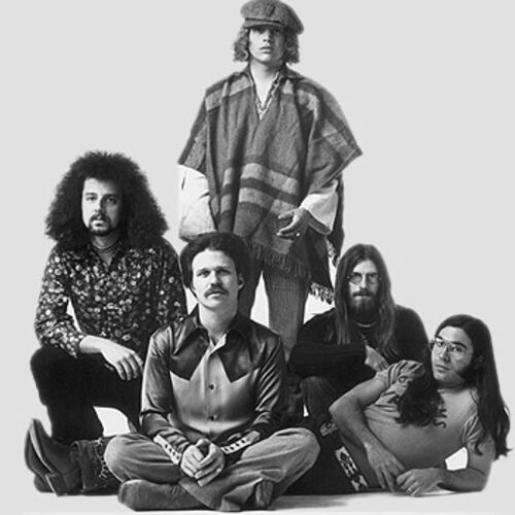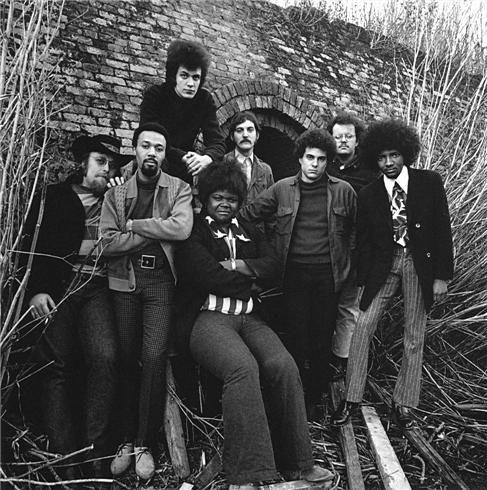
It's A Beautiful Day

Rock
Alternative Rock
Psychedelic Rock
 Viberate Rank: 138929
 Viberate Rank: 138929
 Monthly ListenersFollowers
 Subscribers
 Followers
 Followers
 FansTop Spotify Songs
| Track | 7-Day Streams | |
|---|---|---|
1 | 12.92K | |
2 | 2.46K | |
3 | 2.46K | |
4 | 1.44K | |
5 | 1.13K |
Top YouTube VideosMonthly ListenersFeatured in Playlists| Playlist | Followers | |
|---|---|---|
1 |  angelic songs 🤍🦢 eva <3 | 28.81K |
2 | Yavuz | 17.49K |
3 |  Obscure 60s/70s Psychedelic Rock Jason LeValley | 15.25K |
4 |  Space Trip 🚀 Gabs | 12.73K |
5 |  70s Proto-Metal, Heavy Psych & Obscure Hard Rock Jordan Edrei | 11.27K |
Audience| City | Monthly Listeners | |
|---|---|---|
1 |  | 433 |
2 | | 392 |
3 |  | 389 |
4 |  | 365 |
5 |  | 354 |
See full performance history, audience data, playlist activity, rankings, comparisons, and more in Viberate music analytics. Start with a free trial, then continue with a paid plan.
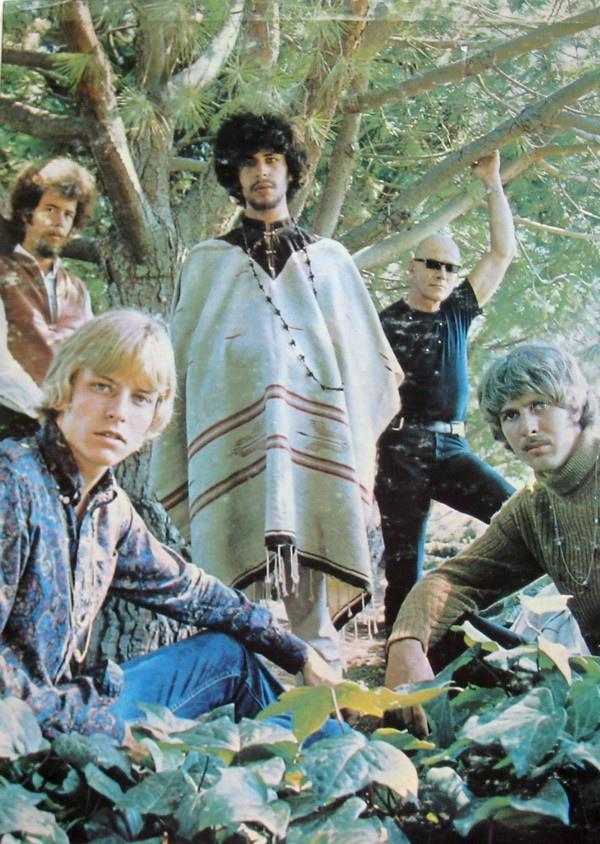
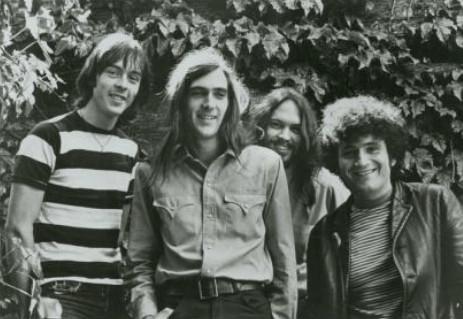
It's A Beautiful Day’s Spotify BioSan Francisco psychedelic folk-rock unit It's a Beautiful Day was primarily the vehicle of virtuoso violinist David LaFlamme, born April 5, 1941, in New Britain, Connecticut but raised in Salt Lake City, Utah. After beginning his musical education at age five, LaFlamme later served as a soloist with the Utah Symphony, following an army stint and settling in the Bay Area in 1962. There he immersed himself in the local underground music scene, jamming alongside the likes of Jerry Garcia and Janis Joplin; after his short-lived Electric Chamber Orchestra splintered, LaFlamme also co-founded an early incarnation of Dan Hicks & His Hot Licks before assembling It's a Beautiful Day in mid-1967. The group -- which originally included LaFlamme's keyboardist wife Linda, vocalist Pattie Santos, guitarist Hal Wagenet, bassist Mitchell Holman, and drummer Val Fuentes -- issued its self-titled debut LP on Columbia in 1969, scoring their biggest hit with the haunting FM radio staple "White Bird."… Linda LaFlamme left It's a Beautiful Day soon after, going on to form Titus' Mother; keyboardist Fred Webb signed on for the follow-up, 1970's Marrying Maiden, while Holman exited prior to 1971's Choice Quality Stuff, recorded with new guitarist Bill Gregory and bassist Tom Fowler. In 1973, ongoing disputes over royalties forced LaFlamme out of the group he created, and upon installing new violinist Greg Bloch, the remaining members issued It's a Beautiful Day...Today before dissolving in the wake of 1974's 1001 Nights. LaFlamme mounted a solo career in 1977 with White Bird, continuing his protracted legal tussle with ex-manager Matthew Katz for years to follow. David LaFlamme died on August 7, 2023, at the age of 82. ~ Jason Ankeny, Rovi
Viberate is a music analytics platform built for A&Rs, artist managers, labels, booking agents, marketers, and artists.
It helps music professionals track artist growth, analyze audience data, monitor playlist activity, compare artists, follow song performance, and identify opportunities across the music market.
Public artist pages provide a free preview of selected artist data. Paid plans provide access to deeper analytics, historical data, charts, comparisons, playlist tools, exports, alerts, reports, and additional professional features.
Yes. Public Viberate artist pages provide selected artist analytics and music data for free.
Viberate also offers a 7-day free trial of the full platform. A credit card is required to start the trial. The trial includes access to the complete product so users can test deeper artist analytics, historical views, playlist insights, comparisons, charts, exports, alerts, and reporting features before choosing a paid plan.
Viberate provides artist analytics across streaming, playlists, social media, video, radio airplay, songs, and audience markets.
Users can analyze Spotify performance, Spotify and Apple Music playlists, YouTube activity, TikTok and Instagram growth, radio spins, song performance, audience locations, demographics, rankings, and overall artist momentum.
Artist profiles also connect to music charts, similar artists, and comparison tools, helping users benchmark performance and evaluate artists in context.
Viberate updates key artist and track data daily.
For followed artists and tracks, selected data is refreshed multiple times per day. This helps teams monitor playlist changes, streaming movement, audience growth, releases, and campaign performance with more current data.
Update frequency can vary depending on the metric and data source.
Yes. Viberate lets users compare up to five artists side by side across streaming, social media, audience, and engagement metrics.
Users can compare fanbase growth, audience demographics, locations, Spotify performance, social metrics, and other artist data over selected time periods.
Artist comparison can be used for A&R scouting, benchmarking, booking decisions, campaign planning, and evaluating artists with similar audiences or market positions.