Moby Grape

Rock
Psychedelic Rock
Pop Rock
 Viberate Rank: 129268
 Viberate Rank: 129268
 Monthly ListenersFollowers
 Subscribers
 Followers
 Followers
 FansTop Spotify Songs
| Track | 7-Day Streams | |
|---|---|---|
1 | 5.52K | |
2 | 2.85K | |
3 | 828 | |
4 | 735 | |
5 | 701 |
Top YouTube VideosMonthly ListenersFeatured in Playlists| Playlist | Followers | |
|---|---|---|
1 |  Psychedelic Rock Spotify | 1.27M |
2 |  Once Upon A Time In...Hollywood Radio Josh Gardner | 100.16K |
3 | Jillian Nichols | 87.20K |
4 |  Girls | Official HBO | 48.74K |
5 | 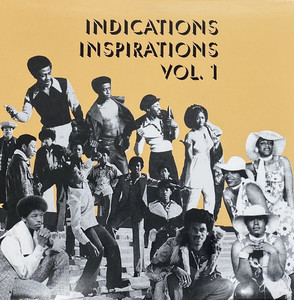 Indications' Inspirations Durand Jones & The Indications | 35.68K |
Audience| City | Monthly Listeners | |
|---|---|---|
1 | | 612 |
2 | | 568 |
3 | | 451 |
4 | | 422 |
5 |  | 400 |
See full performance history, audience data, playlist activity, rankings, comparisons, and more in Viberate music analytics. Start with a free trial, then continue with a paid plan.
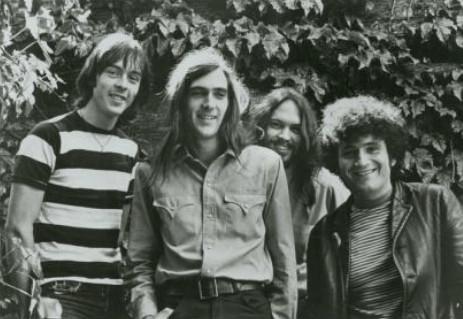
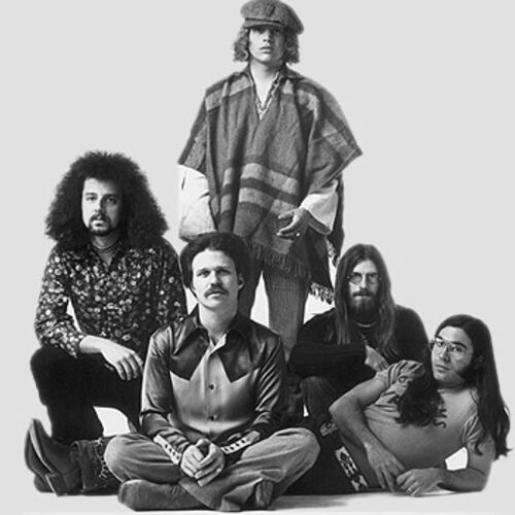
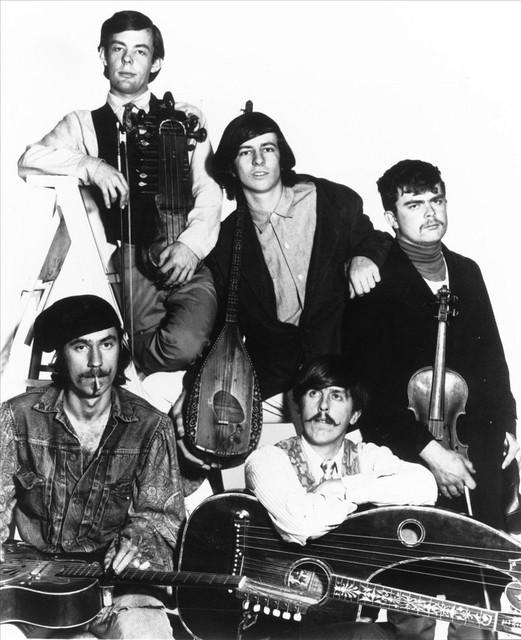
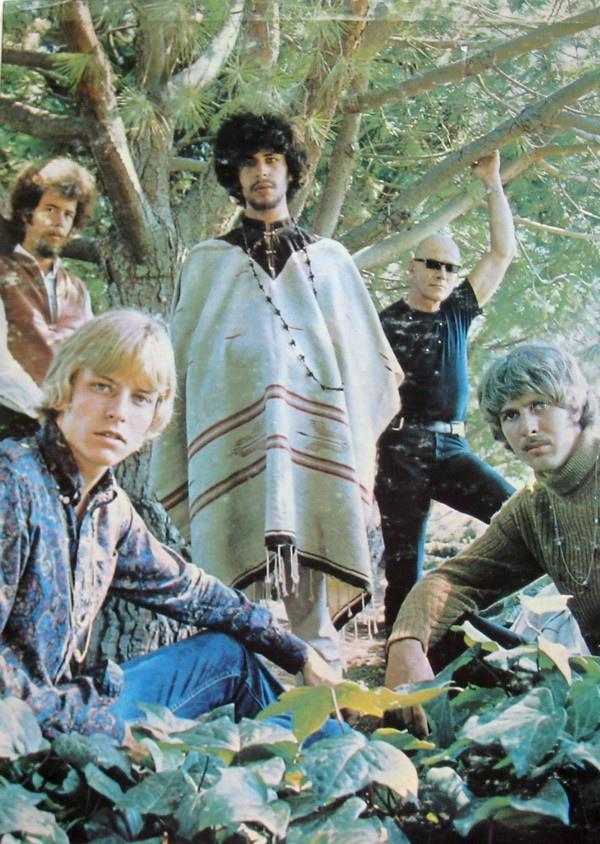
Moby Grape’s Spotify BioOne of the best '60s San Francisco bands, Moby Grape, were also one of the most versatile. Although they are most often identified with the psychedelic scene, their specialty was combining all sorts of roots music -- folk, blues, country, and classic rock & roll -- with some Summer of Love vibes and multi-layered, triple-guitar arrangements. All of those elements truly coalesced on their 1967 debut LP. Although subsequent albums had more good moments than many listeners are aware of, a combination of personal problems and bad management effectively killed off the group by the end of the '60s.
Matthew Katz, who managed the Jefferson Airplane in their early days, helped put Moby Grape together around Skip Spence. Spence, a legendary, colorful Canadian native whose first instrument was the guitar, had played drums in the Airplane's first lineup at the instigation of Marty Balin. Spence left the Airplane after their first album and reverted to his natural guitar and songwriting role for the… Grape (the Airplane had already recorded some of his compositions). Guitarist Jerry Miller and drummer Don Stevenson were recruited from the Northwest bar band the Frantics; guitarist Peter Lewis had played in Southern California surf bands like the Cornells; and bassist Bob Mosley had also played with outfits from Southern California.
The group's relative unfamiliarity with each other may have sown the seeds for their future problems, but they gelled surprisingly quickly, with all five members contributing more or less equally to the songwriting on their self-titled debut (1967). Moby Grape remains their signature statement, though the folk-rock and country-rock worked better than the boogies: "Omaha," "Sittin' by the Window," "Changes," and "Lazy Me" are some of their best songs. Columbia Records, though, damaged the band's credibility with over-hype, releasing no less than five singles from the LP simultaneously.
Moby Grape's follow-up, the double-LP Wow, was one of the most disappointing records of the '60s, in light of the high expectations fostered by the debut. The studio half of the package had much more erratic songwriting than the first recording, and the group members didn't blend their instrumental and vocal skills nearly as well. The "bonus" disc was almost a total waste, consisting of bad jams. Spence departed while the album was being recorded in New York in 1968, as a result of a famous incident in which he entered the studio with a fire axe, apparently intending to use it on Stevenson. Committed to New York's Bellevue Hospital, he did re-emerge to record a wonderful acid folk solo album at the end of 1968, but that would be his only notable post-Grape project; he struggled with mental illness until he died in 1999.
Another unexpected blow was dealt when Mosley, despite his membership in a group that emerged from the Haight-Ashbury psychedelic scene, joined the Marine Corps at the beginning of 1969. The band struggled on, but released a couple more albums during that year. The best tracks from these (particularly the earlier album, Moby Grape '69) proved they could still deliver the goods, though in a more subdued, countrified fashion than their earliest material. The group broke up at the end of the '60s, although they would periodically reunite for virtually unheard albums over the next two decades, in lineups featuring varying original members. Their problems were exacerbated by Matthew Katz, who owns the Moby Grape name, and has sometimes prevented the original members from using the name when they worked together. ~ Richie Unterberger, Rovi
Viberate is a music analytics platform built for A&Rs, artist managers, labels, booking agents, marketers, and artists.
It helps music professionals track artist growth, analyze audience data, monitor playlist activity, compare artists, follow song performance, and identify opportunities across the music market.
Public artist pages provide a free preview of selected artist data. Paid plans provide access to deeper analytics, historical data, charts, comparisons, playlist tools, exports, alerts, reports, and additional professional features.
Yes. Public Viberate artist pages provide selected artist analytics and music data for free.
Viberate also offers a 7-day free trial of the full platform. A credit card is required to start the trial. The trial includes access to the complete product so users can test deeper artist analytics, historical views, playlist insights, comparisons, charts, exports, alerts, and reporting features before choosing a paid plan.
Viberate provides artist analytics across streaming, playlists, social media, video, radio airplay, songs, and audience markets.
Users can analyze Spotify performance, Spotify and Apple Music playlists, YouTube activity, TikTok and Instagram growth, radio spins, song performance, audience locations, demographics, rankings, and overall artist momentum.
Artist profiles also connect to music charts, similar artists, and comparison tools, helping users benchmark performance and evaluate artists in context.
Viberate updates key artist and track data daily.
For followed artists and tracks, selected data is refreshed multiple times per day. This helps teams monitor playlist changes, streaming movement, audience growth, releases, and campaign performance with more current data.
Update frequency can vary depending on the metric and data source.
Yes. Viberate lets users compare up to five artists side by side across streaming, social media, audience, and engagement metrics.
Users can compare fanbase growth, audience demographics, locations, Spotify performance, social metrics, and other artist data over selected time periods.
Artist comparison can be used for A&R scouting, benchmarking, booking decisions, campaign planning, and evaluating artists with similar audiences or market positions.