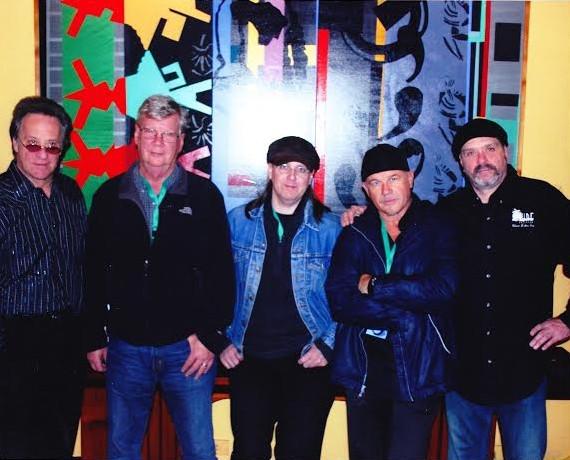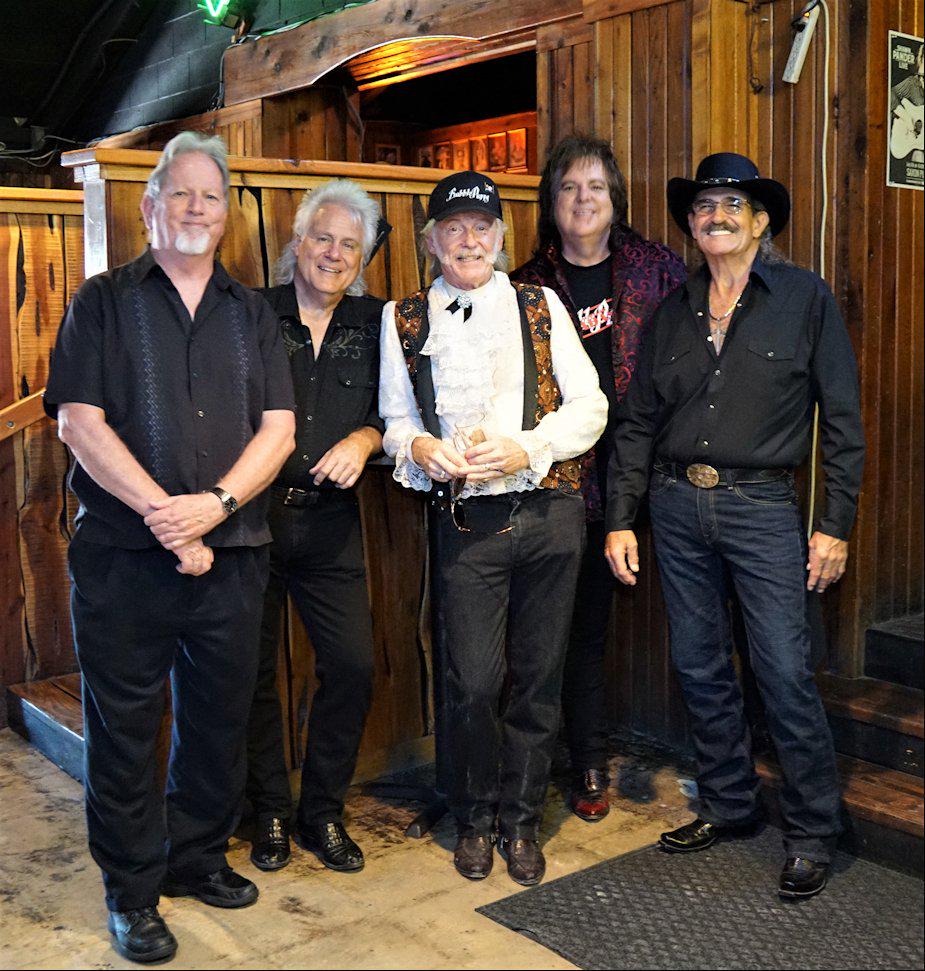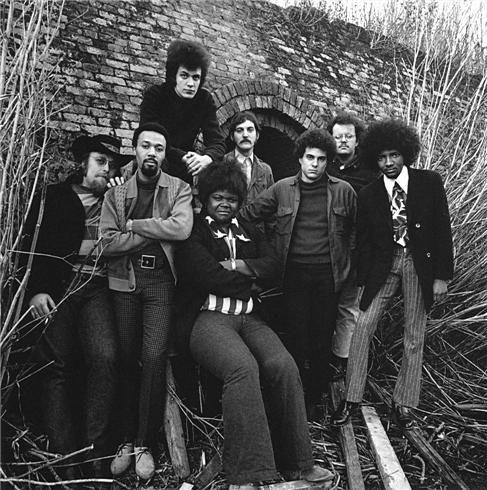
The Electric Flag

Rock
Pop Rock
Psychedelic Rock
 Viberate Rank: 170384
 Viberate Rank: 170384
 Monthly ListenersFollowers
 Subscribers
 Followers
 Followers
 FansTop Spotify Songs
| Track | 7-Day Streams | |
|---|---|---|
1 | 1.34K | |
2 | 694 | |
3 | 687 | |
4 | 611 | |
5 | 559 |
Top YouTube VideosMonthly ListenersFeatured in Playlists| Playlist | Followers | |
|---|---|---|
1 |  Tour of Duty - The Playlist Micha Bessems | 32.52K |
2 | Rolling Stone's 100 Greatest Guitarists of All Time Rolling Stone | 31.83K |
3 |  EASY RIDER ROADTRIP inspired by the original Soundtrack Jens Olsson | 20.46K |
4 | Yavuz | 17.49K |
5 |  Easy Rider (1969) - Original Soundtrack Pietro Andretta | 17.29K |
Audience| City | Monthly Listeners | |
|---|---|---|
1 | | 166 |
2 |  | 158 |
3 | | 149 |
4 |  | 137 |
5 |  | 118 |
See full performance history, audience data, playlist activity, rankings, comparisons, and more in Viberate music analytics. Start with a free trial, then continue with a paid plan.
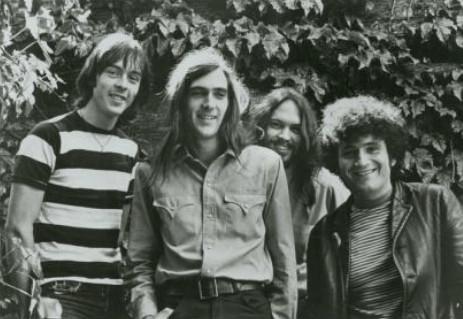
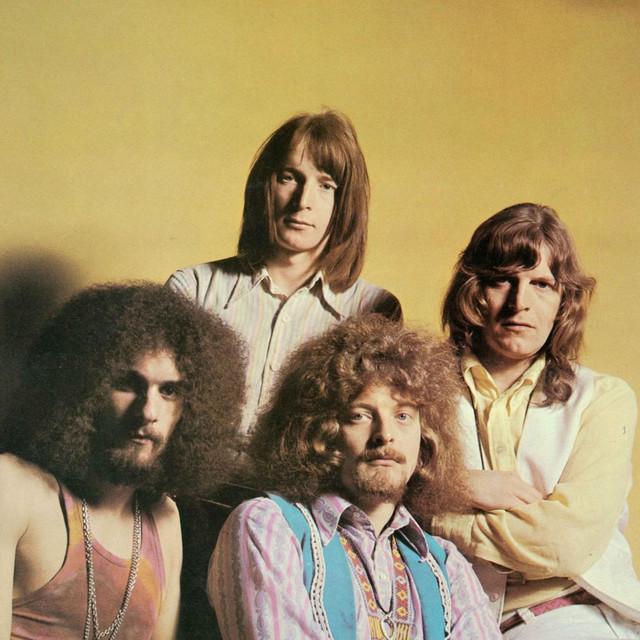
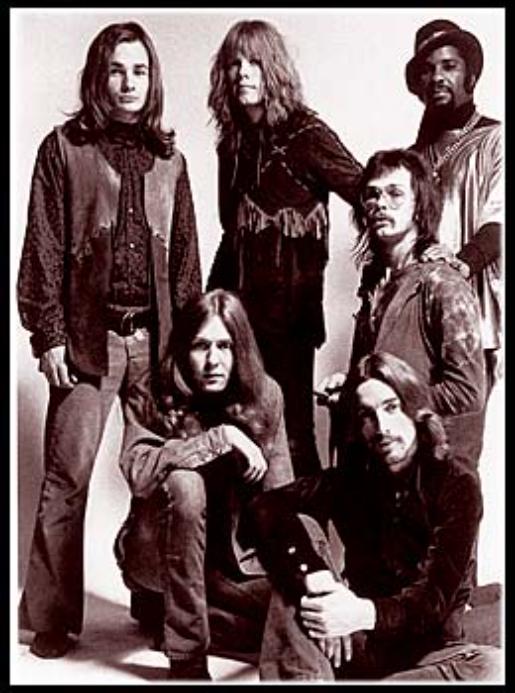
The Electric Flag’s Spotify BioWhen guitarist Mike Bloomfield left the Paul Butterfield Blues Band in 1967, he wanted to form a band that combined blues, rock, soul, psychedelia, and jazz into something new. He knew for sure that he wanted a horn section in the band, which he began forming with a couple of friends, keyboardist Barry Goldberg and singer Nick Gravenites. Although the three were all veterans of the Chicago music scene, the group based itself in the San Francisco area. Bloomfield, Goldberg, and Gravenites were in turn bolstered by a rhythm section of bassist Harvey Brooks (who had played on some of Bob Dylan's mid-'60s records) and drummer Buddy Miles; on top of them came a horn section.
Oddly, before even playing any live concerts, Electric Flag recorded the soundtrack for the 1967 psychedelic exploitation movie The Trip, which afforded them the opportunity to experiment with some of their ideas without much pressure. Their live debut was at the 1967 Monterey Pop Festival (although they didn't make it… into the documentary film of the event; they do appear in the bonus footage on the DVD version), but their first proper studio album didn't come out until the spring of 1968.
A Long Time Comin' predated Blood, Sweat & Tears and Chicago's big-band rock sound, mixing it as they did with jazz-rock but also soul-rock-psychedelia that sometimes (but not always) employed prominent horns. There was enough promise on the album to merit further exploration, but it had hardly been released before the Flag began to droop. Goldberg left, followed shortly by Bloomfield, the most important component of the group's vision. A fragmented band recorded an inferior follow-up, but by 1969 Electric Flag had split up. They did reunite (with Bloomfield) in 1974 for a Jerry Wexler-produced album titled The Band Kept Playing that got little notice. The group went their separate ways once again and only played together one more time at a 2007 concert celebrating the 40th anniversary of the Monterey Pop Festival. ~ Richie Unterberger, Rovi
Viberate is a music analytics platform built for A&Rs, artist managers, labels, booking agents, marketers, and artists.
It helps music professionals track artist growth, analyze audience data, monitor playlist activity, compare artists, follow song performance, and identify opportunities across the music market.
Public artist pages provide a free preview of selected artist data. Paid plans provide access to deeper analytics, historical data, charts, comparisons, playlist tools, exports, alerts, reports, and additional professional features.
Yes. Public Viberate artist pages provide selected artist analytics and music data for free.
Viberate also offers a 7-day free trial of the full platform. A credit card is required to start the trial. The trial includes access to the complete product so users can test deeper artist analytics, historical views, playlist insights, comparisons, charts, exports, alerts, and reporting features before choosing a paid plan.
Viberate provides artist analytics across streaming, playlists, social media, video, radio airplay, songs, and audience markets.
Users can analyze Spotify performance, Spotify and Apple Music playlists, YouTube activity, TikTok and Instagram growth, radio spins, song performance, audience locations, demographics, rankings, and overall artist momentum.
Artist profiles also connect to music charts, similar artists, and comparison tools, helping users benchmark performance and evaluate artists in context.
Viberate updates key artist and track data daily.
For followed artists and tracks, selected data is refreshed multiple times per day. This helps teams monitor playlist changes, streaming movement, audience growth, releases, and campaign performance with more current data.
Update frequency can vary depending on the metric and data source.
Yes. Viberate lets users compare up to five artists side by side across streaming, social media, audience, and engagement metrics.
Users can compare fanbase growth, audience demographics, locations, Spotify performance, social metrics, and other artist data over selected time periods.
Artist comparison can be used for A&R scouting, benchmarking, booking decisions, campaign planning, and evaluating artists with similar audiences or market positions.