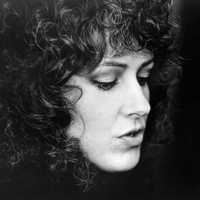
Grace Slick

Rock
Psychedelic Rock
Blues Rock
 Viberate Rank: 89283
 Viberate Rank: 89283
 Monthly ListenersFollowers
 Subscribers
 Followers
 Followers
 FansTop Spotify Songs
| Track | 7-Day Streams | |
|---|---|---|
1 | 2.47K | |
2 | 1.28K | |
3 | 965 | |
4 | 936 | |
5 | 784 |
Top YouTube VideosMonthly ListenersFeatured in Playlists| Playlist | Followers | |
|---|---|---|
1 | Covers (that are better than the originals) JTG | 209.14K |
2 |  ALL TIME CLASSICS | | My Forever Favorites Damian Habraken | 57.86K |
3 |  Tour of Duty - The Playlist Micha Bessems | 32.52K |
4 | Flying Over connorwatkins | 16.80K |
5 |  Obscure 60s/70s Psychedelic Rock Jason LeValley | 15.24K |
Audience| City | Monthly Listeners | |
|---|---|---|
1 |  | 405 |
2 |  | 352 |
3 | | 313 |
4 |  | 263 |
5 | | 262 |
See full performance history, audience data, playlist activity, rankings, comparisons, and more in Viberate music analytics. Start with a free trial, then continue with a paid plan.
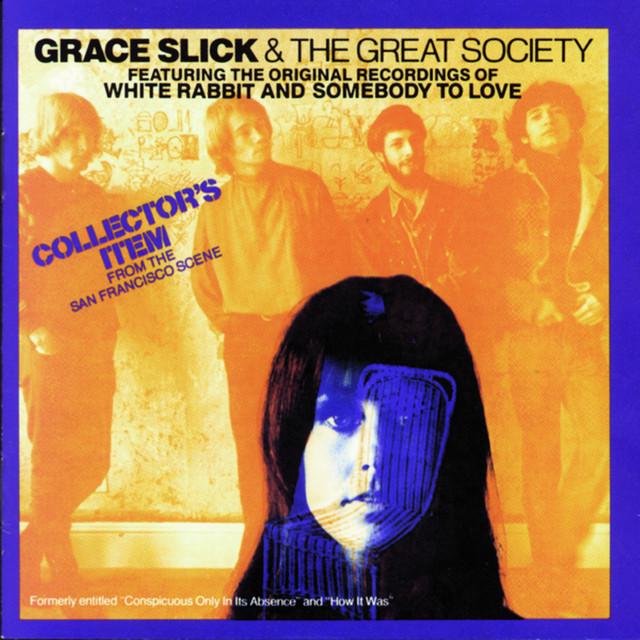
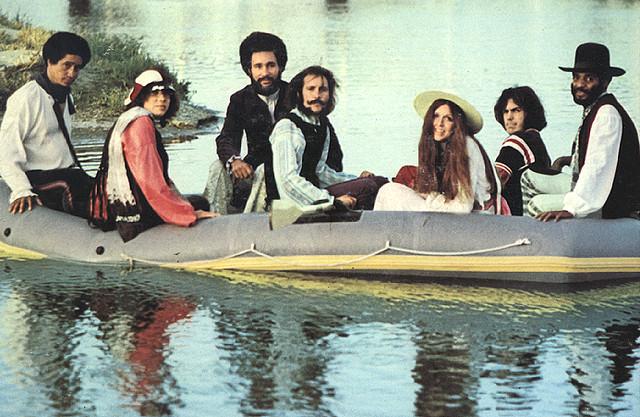
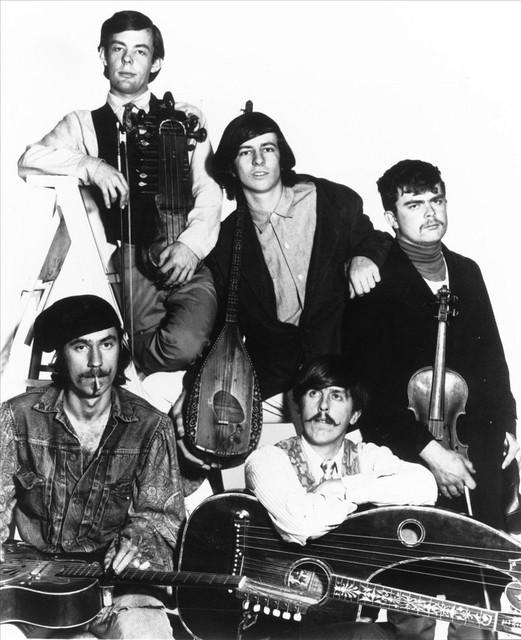
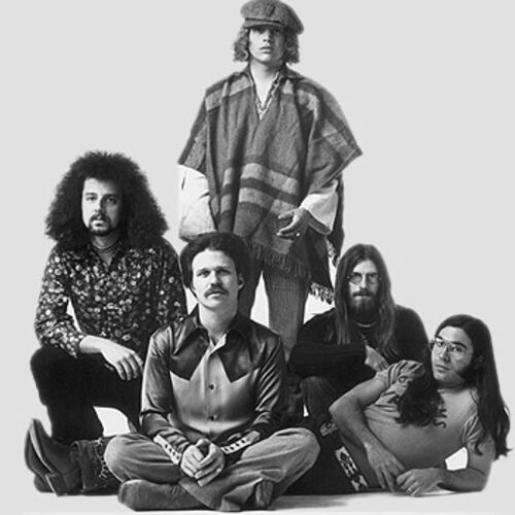
Grace Slick’s Spotify BioGrace Slick is best known as the powerful-voiced female singer in Jefferson Airplane, Jefferson Starship, and Starship, rock bands with which she performed in the 1960s, '70s, and '80s. She was born to well-to-do parents and grew up in Palo Alto, CA. She became a model and married Jerry Slick. After seeing Jefferson Airplane perform in 1965, she, her husband, and her brother-in-law, Darby Slick, formed the Great Society. The group released a single, "Somebody to Love" (written by Darby Slick) on local North Beach Records in 1966, but broke up soon after. (Columbia Records later culled two albums from the group's live recordings.) Slick was asked to replace Jefferson Airplane singer Signe Anderson and joined the group in time for the recording of its second album, Surrealistic Pillow. She brought with her both "Somebody to Love" and her own composition, the bolero-paced "White Rabbit," with its references to drug-taking and Alice in Wonderland. Both songs were included on the album with… her lead vocals. Both became Top Ten hits in 1967, as did the album, and Slick became the focal point of Jefferson Airplane, participating in seven more albums by the group -- After Bathing at Baxter's (1967), Crown of Creation (1968), Bless Its Pointed Little Head (1969), Volunteers (1969), Bark (1971), Long John Silver (1972), and Thirty Seconds Over Winterland (1973). By 1971, with the formation of the group's own custom label, Grunt Records, various bandmembers began to make albums on their own, and Slick combined with guitarist Paul Kantner on Sunfighter (1971). Baron Von Tollbooth & the Chrome Nun (1973) was credited to Kantner, Slick, and David Freiberg. 1974 saw the release of Slick's debut solo album, Manhole. With the departure of Jorma Kaukonen and Jack Casady, Jefferson Airplane had ceased to exist after 1972. Kantner and Slick reorganized the band under the name Jefferson Starship and released Dragon Fly in 1974. In 1975 came Red Octopus, which topped the charts and sold two million copies. Spitfire (1976) was also a million-seller, as was Earth (1978). Slick left the group and released two solo albums, Dreams (1980) and Welcome to the Wrecking Ball! (1981), then rejoined as a guest on Modern Times (1981) and participated fully on Winds of Change (1982) and Nuclear Furniture (1984). She also recorded a fourth solo album, Software (1984). Kantner's departure from the group led to a truncation of its name to Starship. Slick remained through the million-selling Knee Deep in the Hoopla (1985) and No Protection (1987), sharing lead vocals with Mickey Thomas on the number one hits "We Built This City" and "Nothing's Gonna Stop Us Now." She left the group in 1988. In 1989 she joined a reunion of Jefferson Airplane that resulted in a tour and a self-titled album. She retired from performing in the 1990s and wrote her autobiography, Somebody to Love?, published in 1998. In 1999 RCA released The Best of Grace Slick, a career-spanning compilation album. ~ William Ruhlmann, Rovi
Viberate is a music analytics platform built for A&Rs, artist managers, labels, booking agents, marketers, and artists.
It helps music professionals track artist growth, analyze audience data, monitor playlist activity, compare artists, follow song performance, and identify opportunities across the music market.
Public artist pages provide a free preview of selected artist data. Paid plans provide access to deeper analytics, historical data, charts, comparisons, playlist tools, exports, alerts, reports, and additional professional features.
Yes. Public Viberate artist pages provide selected artist analytics and music data for free.
Viberate also offers a 7-day free trial of the full platform. A credit card is required to start the trial. The trial includes access to the complete product so users can test deeper artist analytics, historical views, playlist insights, comparisons, charts, exports, alerts, and reporting features before choosing a paid plan.
Viberate provides artist analytics across streaming, playlists, social media, video, radio airplay, songs, and audience markets.
Users can analyze Spotify performance, Spotify and Apple Music playlists, YouTube activity, TikTok and Instagram growth, radio spins, song performance, audience locations, demographics, rankings, and overall artist momentum.
Artist profiles also connect to music charts, similar artists, and comparison tools, helping users benchmark performance and evaluate artists in context.
Viberate updates key artist and track data daily.
For followed artists and tracks, selected data is refreshed multiple times per day. This helps teams monitor playlist changes, streaming movement, audience growth, releases, and campaign performance with more current data.
Update frequency can vary depending on the metric and data source.
Yes. Viberate lets users compare up to five artists side by side across streaming, social media, audience, and engagement metrics.
Users can compare fanbase growth, audience demographics, locations, Spotify performance, social metrics, and other artist data over selected time periods.
Artist comparison can be used for A&R scouting, benchmarking, booking decisions, campaign planning, and evaluating artists with similar audiences or market positions.