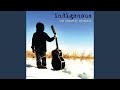
Indigenous

Blues
Blues Rock
Psychedelic Rock
 Viberate Rank: 201694
 Viberate Rank: 201694
 Monthly ListenersFollowers
 Subscribers
 Followers
 Followers
 FansTop Spotify Songs
| Track | 7-Day Streams | |
|---|---|---|
1 | 4.92K | |
2 | 1.93K | |
3 | 1.26K | |
4 | 860 | |
5 | 829 |
Top YouTube Videos| Video | 7-Day Views | |
|---|---|---|
1 | 130 | |
2 | 129 | |
3 | 73 | |
4 | 34 | |
5 | 11 |
Monthly ListenersFeatured in Playlists| Playlist | Followers | |
|---|---|---|
1 | Sons of Anarchy (Television Soundtrack) – Seasons 1-7 Adam Shake | 23.67K |
2 | Cameron Rose | 11.88K |
3 |  Keeping The Blues Alive Joe Bonamassa | 10.32K |
4 |  Epic Guitar Solos Joe Bonamassa | 9.49K |
5 |  The Bluest Blues/ Slow Blues/ Late Night/ Romantic Instumental Blues/ Ballads Stefanos Nicolaidis | 7.91K |
Audience| City | Monthly Listeners | |
|---|---|---|
1 | | 368 |
2 | | 355 |
3 | | 336 |
4 | | 263 |
5 | | 262 |
See full performance history, audience data, playlist activity, rankings, comparisons, and more in Viberate music analytics. Start with a free trial, then continue with a paid plan.
Indigenous’ Spotify BioThe Native American blues-rock group Indigenous consists of three brothers, Mato Nanji (vocals and guitar), Pte (bass), and Horse (percussion), and their sister, Wanbdi (drums, vocals). The Nakota Nation members grew up on South Dakota's Yankton Indian Reservation and were inspired by their father, Greg Zephier, who had been a musician in the '60s and '70s and later became a spokesperson for Native American rights. The group released its 1998 debut album, Things We Do, on Pachyderm Records; the video for the title track was directed by Chris Eyre, who also directed the award-winning Native American film Smoke Signals. The group released the Blues This Morning EP and Live at Pachyderm Studios in 1999, while winning acclaim from critics and artists like Bonnie Raitt, the Indigo Girls, and Jackson Browne. The Circle followed in 2000. ~ Heather Phares, Rovi
Viberate is a music analytics platform built for A&Rs, artist managers, labels, booking agents, marketers, and artists.
It helps music professionals track artist growth, analyze audience data, monitor playlist activity, compare artists, follow song performance, and identify opportunities across the music market.
Public artist pages provide a free preview of selected artist data. Paid plans provide access to deeper analytics, historical data, charts, comparisons, playlist tools, exports, alerts, reports, and additional professional features.
Yes. Public Viberate artist pages provide selected artist analytics and music data for free.
Viberate also offers a 7-day free trial of the full platform. A credit card is required to start the trial. The trial includes access to the complete product so users can test deeper artist analytics, historical views, playlist insights, comparisons, charts, exports, alerts, and reporting features before choosing a paid plan.
Viberate provides artist analytics across streaming, playlists, social media, video, radio airplay, songs, and audience markets.
Users can analyze Spotify performance, Spotify and Apple Music playlists, YouTube activity, TikTok and Instagram growth, radio spins, song performance, audience locations, demographics, rankings, and overall artist momentum.
Artist profiles also connect to music charts, similar artists, and comparison tools, helping users benchmark performance and evaluate artists in context.
Viberate updates key artist and track data daily.
For followed artists and tracks, selected data is refreshed multiple times per day. This helps teams monitor playlist changes, streaming movement, audience growth, releases, and campaign performance with more current data.
Update frequency can vary depending on the metric and data source.
Yes. Viberate lets users compare up to five artists side by side across streaming, social media, audience, and engagement metrics.
Users can compare fanbase growth, audience demographics, locations, Spotify performance, social metrics, and other artist data over selected time periods.
Artist comparison can be used for A&R scouting, benchmarking, booking decisions, campaign planning, and evaluating artists with similar audiences or market positions.