Jonny Lang

Blues
Blues Rock
Contemporary Blues
 Viberate Rank: 29646
 Viberate Rank: 29646
 Monthly ListenersFollowers
 Subscribers
 Followers
 Followers
 FansTop Spotify Songs
| Track | 7-Day Streams | |
|---|---|---|
1 | 85.79K | |
2 | 25.22K | |
3 | 21.81K | |
4 | 20.95K | |
5 | 19.69K |
Top YouTube Videos| Video | 7-Day Views | |
|---|---|---|
1 | 44.06K | |
2 | 10.14K | |
3 | 3.84K | |
4 | 2.73K | |
5 | 1.59K |
Monthly ListenersFeatured in Playlists| Playlist | Followers | |
|---|---|---|
1 |  Funky Heavy Bluesy Spotify | 820.62K |
2 |  Blue Ballads Spotify | 591.97K |
3 |  Blues & Whiskey 🥃 Whiskey blues music 🎸 Whisky Blues - Best of Slow Blues/Rock 🍥 | 333.28K |
4 |  Blues Live & Loud Spotify | 208.43K |
5 | TOP 100 Greatest Blues Songs Of All Time: Best Blues Music Kamilgla | 192.29K |
Audience| City | Monthly Listeners | |
|---|---|---|
1 | | 4.19K |
2 |  | 3.82K |
3 | | 3.81K |
4 | | 3.61K |
5 |  | 3.40K |
See full performance history, audience data, playlist activity, rankings, comparisons, and more in Viberate music analytics. Start with a free trial, then continue with a paid plan.
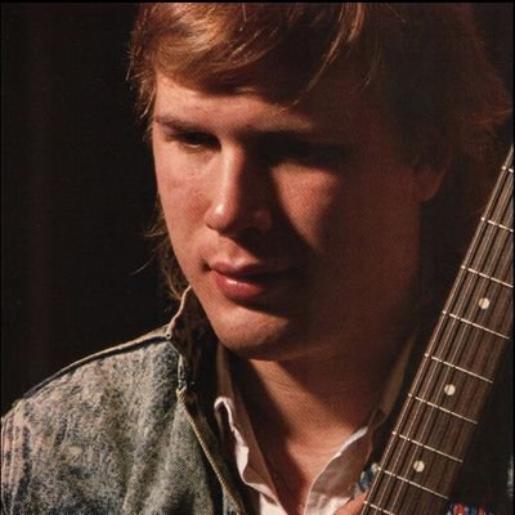
Jonny Lang’s Spotify BioModern blues in the '90s had a weird phenomenon of teenage blues guitarists rocketing to popularity with their first album. The entire trend culminated with Jonny Lang, a guitarist from Fargo, North Dakota, who released his solo debut album, Lie to Me, when he was 15. At the age of 12, he had attended a show by the Bad Medicine Blues Band and began playing with the group. Several months later he became their leader, and the newly renamed Kid Jonny Lang & the Big Bang relocated from Fargo to Minneapolis and released their debut album, Smokin', in 1995. The LP became a regional hit, leading to a major-label bidding war and culminating in Lang's signing to A&M Records in 1996. Early in 1997, his major-label debut, Lie to Me, was released to mixed reviews; the stronger effort, Wander This World, followed late the next year. Lang's next release, Long Time Coming, arrived in 2003 and garnered often withering critiques for its turn toward over-produced hard rock mixed with sometimes… heavy-handed religiosity; 2006's gospel-informed Turn Around was more favorably received. Live at the Ryman was issued by Concord Records in 2010. After a seven-year hiatus, he announced details of his sixth studio album, Fight for My Soul which was scheduled for release in September 2013; it peaked at number one on Billboard's Blues Albums chart. Lang released his next album, the politically charged Signs, in September 2017. ~ Stephen Thomas Erlewine, Rovi
Viberate is a music analytics platform built for A&Rs, artist managers, labels, booking agents, marketers, and artists.
It helps music professionals track artist growth, analyze audience data, monitor playlist activity, compare artists, follow song performance, and identify opportunities across the music market.
Public artist pages provide a free preview of selected artist data. Paid plans provide access to deeper analytics, historical data, charts, comparisons, playlist tools, exports, alerts, reports, and additional professional features.
Yes. Public Viberate artist pages provide selected artist analytics and music data for free.
Viberate also offers a 7-day free trial of the full platform. A credit card is required to start the trial. The trial includes access to the complete product so users can test deeper artist analytics, historical views, playlist insights, comparisons, charts, exports, alerts, and reporting features before choosing a paid plan.
Viberate provides artist analytics across streaming, playlists, social media, video, radio airplay, songs, and audience markets.
Users can analyze Spotify performance, Spotify and Apple Music playlists, YouTube activity, TikTok and Instagram growth, radio spins, song performance, audience locations, demographics, rankings, and overall artist momentum.
Artist profiles also connect to music charts, similar artists, and comparison tools, helping users benchmark performance and evaluate artists in context.
Viberate updates key artist and track data daily.
For followed artists and tracks, selected data is refreshed multiple times per day. This helps teams monitor playlist changes, streaming movement, audience growth, releases, and campaign performance with more current data.
Update frequency can vary depending on the metric and data source.
Yes. Viberate lets users compare up to five artists side by side across streaming, social media, audience, and engagement metrics.
Users can compare fanbase growth, audience demographics, locations, Spotify performance, social metrics, and other artist data over selected time periods.
Artist comparison can be used for A&R scouting, benchmarking, booking decisions, campaign planning, and evaluating artists with similar audiences or market positions.