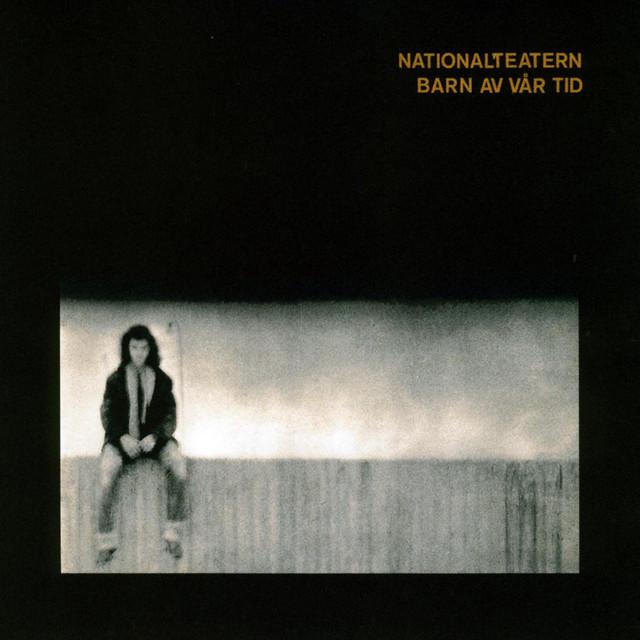
Nationalteatern

Rock
Progressive Rock
 Viberate Rank: 103745
 Viberate Rank: 103745
 Monthly ListenersFollowers
 Subscribers
 Followers
 Followers
 FansTop Spotify Songs
| Track | 7-Day Streams | |
|---|---|---|
1 | 44.15K | |
2 | 41.63K | |
3 | 23.61K | |
4 | 14.61K | |
5 | 12.51K |
Top YouTube VideosMonthly ListenersFeatured in Playlists| Playlist | Followers | |
|---|---|---|
1 |  Svenska Favoriter Spotify | 295.92K |
2 |  Det svenska Åttiotalet Spotify | 63.44K |
3 |  Det svenska Sjuttiotalet Spotify | 32.09K |
4 | Svenska låtar alla kan! ☀️☀️☀️ backenklara <3 | 18.62K |
5 |  70-tals Hits 💥 1970-talets bästa låtar Filtr Sweden | 16.94K |
Audience| City | Monthly Listeners | |
|---|---|---|
1 | | 42.03K |
2 | | 31.44K |
3 | | 15.05K |
4 | | 5.31K |
5 | | 3.25K |
See full performance history, audience data, playlist activity, rankings, comparisons, and more in Viberate music analytics. Start with a free trial, then continue with a paid plan.
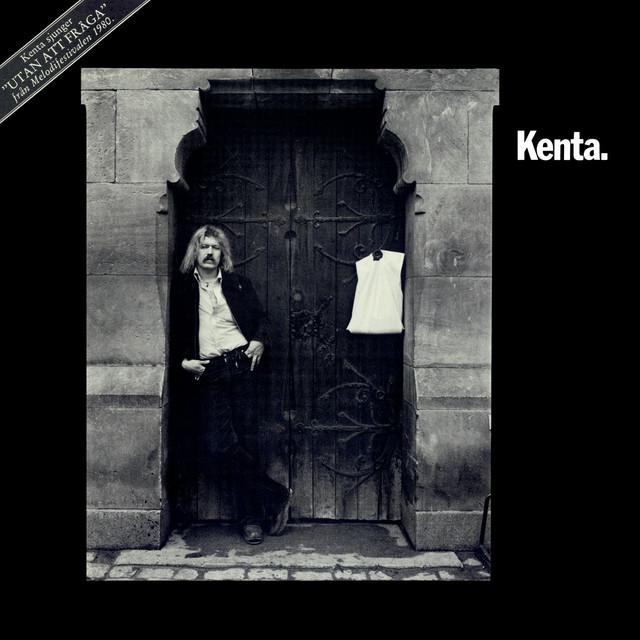
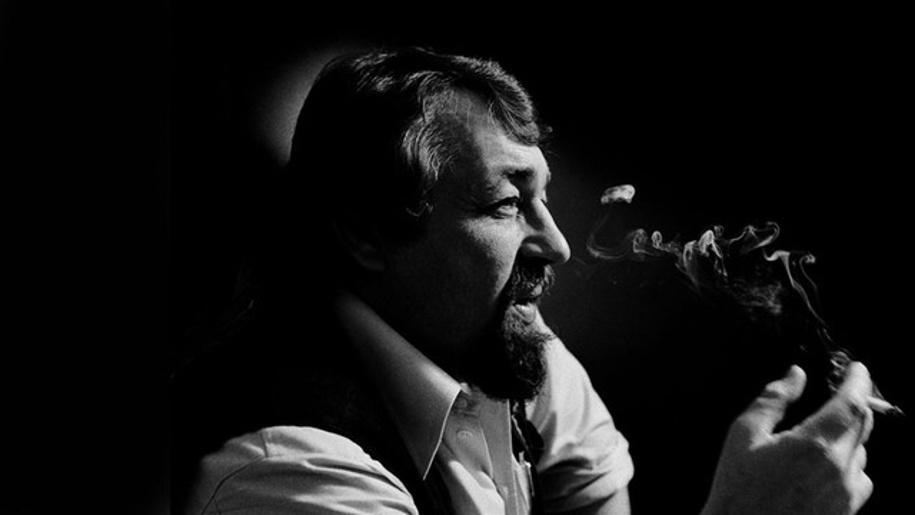
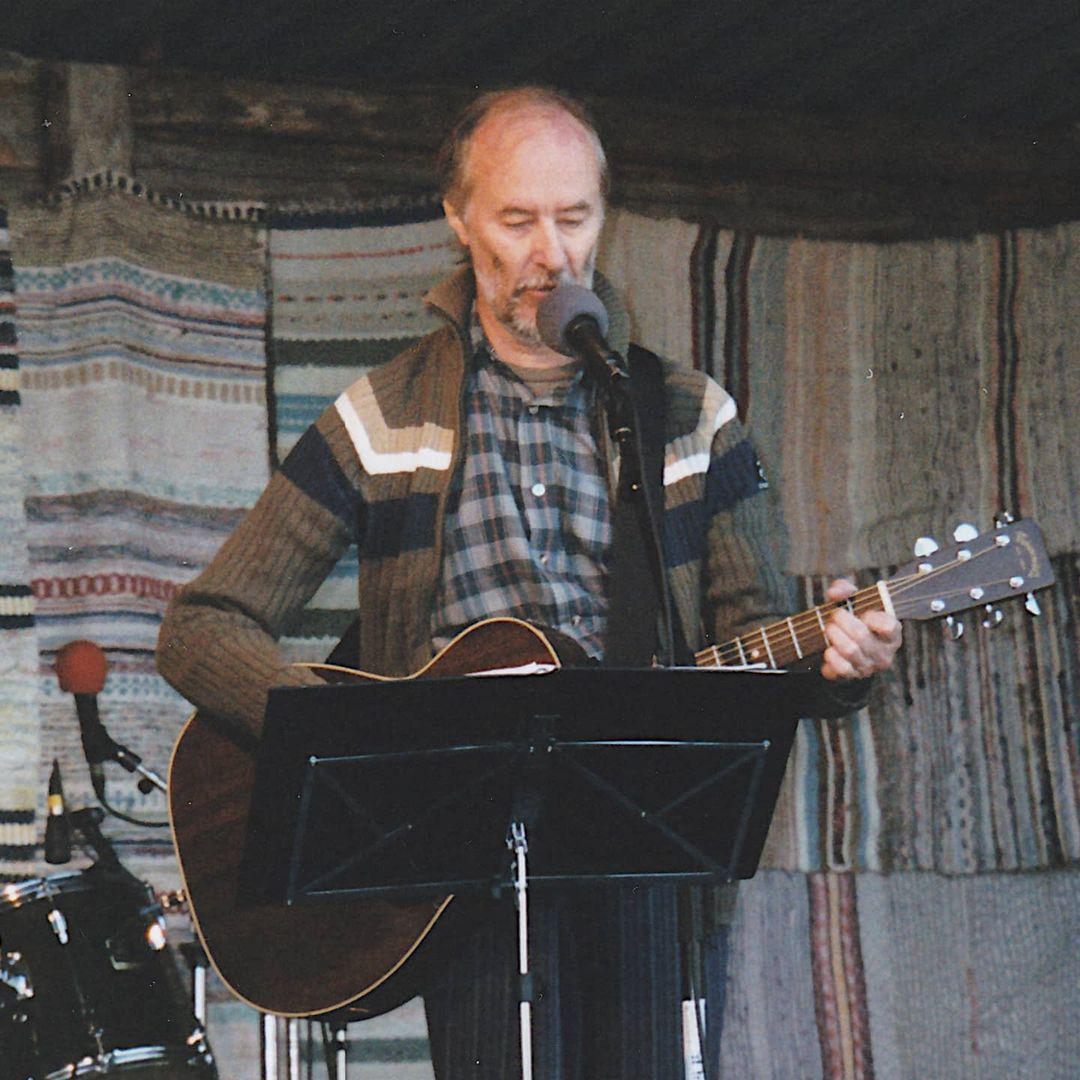
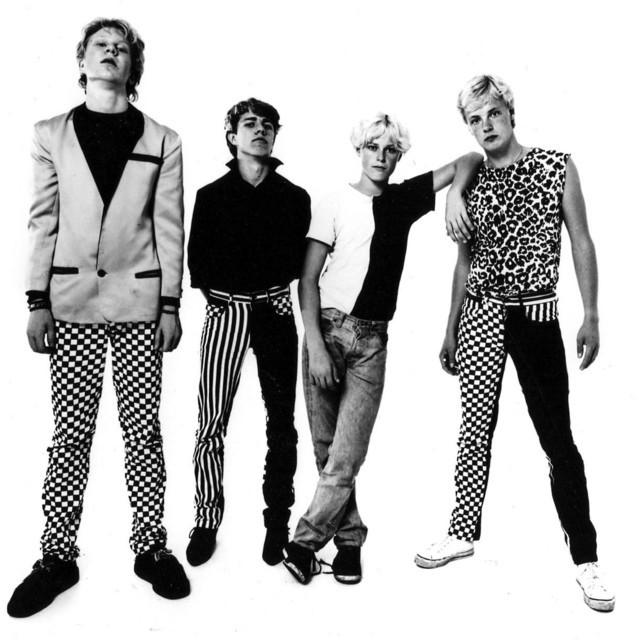
Nationalteatern’s Spotify BioNationalteatern, challenged only by Hoola Bandoola Band, was the brightest shining star on the Swedish progressive rock scene in the '70s. And unlike many other progressive rock bands, they included a big dose of rock & roll, making the music quite easy to access. Also distinguishing Nationalteatern, the lyrics, while being highly political, were more of socio-realistic stories than the programmatic and dogmatic teachings of so many of the band's contemporaries.
Initially formed as a free theater group in Lund, 1968, Nationalteatern moved to Göteborg and started to put heavy emphasis on the musical part of the plays. The musical maestro of the group was Anders Melander, and he also played most of the instruments at the recording of the groups debut album, Ta Det Som Ett Löfte...Ta Det Inte Som Ett Hot. Much of the music stemmed from previous plays and was far from coherent. Still the song "Ut I Kylan" became a minor hit, getting some airplay. On the second album, Livet Är En Fest, Ulf… Dageby was allowed more room, and he was later to evolve into the group's driving force. The album was more straightforward than the previous one and contained more rock, something that proved very successful. The title song was written by Dageby and would become Nationalteatern's biggest hit ever. Kåldolmar Och Kalsipper, released in 1976, was mainly a children's album with theatrical music. But on Barn Av Vår Tid, the first album featuring Totta Näslund, the group returned to rock and to lyrics about working class kids.
The problem of combining music written for plays with music written for rock albums resulted in Nationalteaterns Rockorkester being formed in 1980. As the name indicates, the group was to concentrate on writing rock music, leaving the theatre to others. The formation only lasted for a year and a half though, and Näslund and Nikke Ström went on to form Tottas Bluesband, while Dageby recorded a solo album, En Dag På Sjön, and wrote film music. Meanwhile, the theatre lived on, releasing the children's album Peter Pan in 1987, and in 1991, Nationalteaterns Rockorkester was reunited. The album Nationalteatern Rockorkester LIVE was recorded at the ensuing tour, but the group soon disbanded again. In 2000, Dageby took the initiative to a new reunion, taking the band on a nationwide tour. Ulf Dageby died on July 16, 2024, at the age of 80. ~ Lars Lovén, Rovi
Viberate is a music analytics platform built for A&Rs, artist managers, labels, booking agents, marketers, and artists.
It helps music professionals track artist growth, analyze audience data, monitor playlist activity, compare artists, follow song performance, and identify opportunities across the music market.
Public artist pages provide a free preview of selected artist data. Paid plans provide access to deeper analytics, historical data, charts, comparisons, playlist tools, exports, alerts, reports, and additional professional features.
Yes. Public Viberate artist pages provide selected artist analytics and music data for free.
Viberate also offers a 7-day free trial of the full platform. A credit card is required to start the trial. The trial includes access to the complete product so users can test deeper artist analytics, historical views, playlist insights, comparisons, charts, exports, alerts, and reporting features before choosing a paid plan.
Viberate provides artist analytics across streaming, playlists, social media, video, radio airplay, songs, and audience markets.
Users can analyze Spotify performance, Spotify and Apple Music playlists, YouTube activity, TikTok and Instagram growth, radio spins, song performance, audience locations, demographics, rankings, and overall artist momentum.
Artist profiles also connect to music charts, similar artists, and comparison tools, helping users benchmark performance and evaluate artists in context.
Viberate updates key artist and track data daily.
For followed artists and tracks, selected data is refreshed multiple times per day. This helps teams monitor playlist changes, streaming movement, audience growth, releases, and campaign performance with more current data.
Update frequency can vary depending on the metric and data source.
Yes. Viberate lets users compare up to five artists side by side across streaming, social media, audience, and engagement metrics.
Users can compare fanbase growth, audience demographics, locations, Spotify performance, social metrics, and other artist data over selected time periods.
Artist comparison can be used for A&R scouting, benchmarking, booking decisions, campaign planning, and evaluating artists with similar audiences or market positions.