Conte Candoli

Jazz
Bebop
Smooth Jazz
 Viberate Rank: 294598
 Viberate Rank: 294598
 Monthly ListenersFollowers
 Subscribers
 Followers
 Followers
 FansTop Spotify Songs
| Track | 7-Day Streams | |
|---|---|---|
1 | 2.23K | |
2 | 287 | |
3 | 284 | |
4 | 236 | |
5 | 221 |
Top YouTube VideosMonthly ListenersFeatured in Playlists| Playlist | Followers | |
|---|---|---|
1 |  Haruki Murakami's vinyl collection Masamaro | 109.94K |
2 |  Jazz Live & Loud Spotify | 18.76K |
3 |  FIP Radio (en live) Matthou | 13.27K |
4 |  JAZZ FUSION FUNK AND SOUL Jazz Fusion Funk&Soul | 11.91K |
5 |  Midnight Jazz Bar 🍸 by Don's Tunes Don's Tunes | 11.61K |
Audience| City | Monthly Listeners | |
|---|---|---|
1 |  | 46 |
2 | | 40 |
3 |  | 40 |
4 |  | 38 |
5 |  | 37 |
See full performance history, audience data, playlist activity, rankings, comparisons, and more in Viberate music analytics. Start with a free trial, then continue with a paid plan.
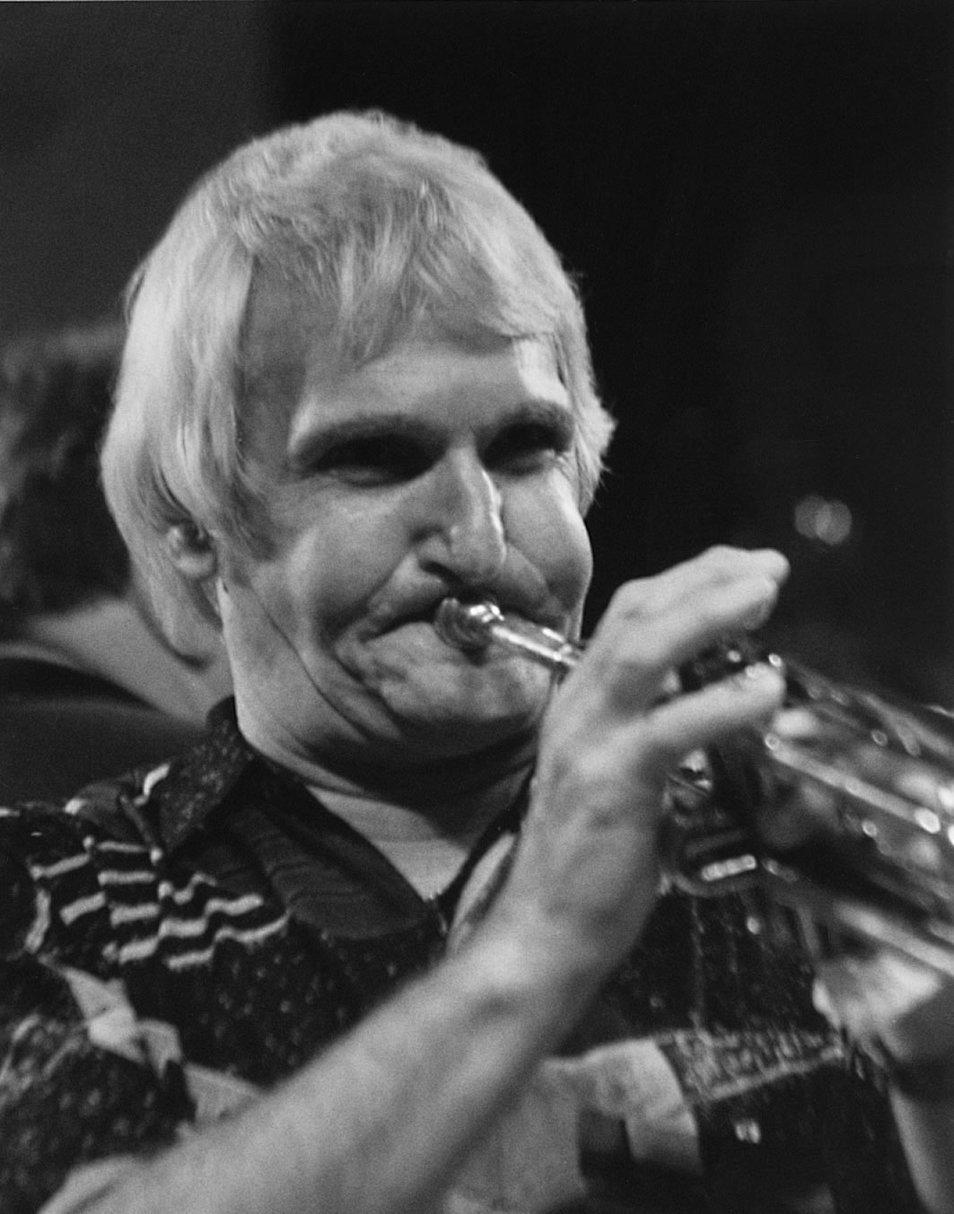
Conte Candoli’s Spotify BioBest-known as the trumpet section leader in Doc Severinsen's Tonight Show Band, Conte Candoli was a fine all-around jazz stylist most at home in the worlds of bop and West Coast cool jazz. Younger by four years than his similarly accomplished trumpet-playing brother Pete, Conte was born Secondo Candoli in Mishawaka, IN, on July 12, 1927. He first patterned himself after players like Harry James, Roy Eldridge, and Dizzy Gillespie, later discovering Miles Davis and Clifford Brown. His first job came at age 16, when brother Pete recommended him for a summer gig with Woody Herman's Thundering Herd; after graduating high school, he joined full-time. He went on to play with several other bands, including Stan Kenton, whom he left in 1954 to form his own band. After leading some recording dates, he soon found a more comfortable existence, moving to Los Angeles and taking session jobs in between gigs with Howard Rumsey's Lighthouse All-Stars. After about four years, he left in 1960 to work… with drummer Shelly Manne, while he and Pete both enjoyed top-dog status in the L.A. session community. In 1968, Candoli took a part-time gig with the Tonight Show Band and joined permanently in 1972, when the show officially moved to Burbank. During the '70s, he was also a member of Supersax, among other L.A. all-star outfits, and also continued his periodic collaborations with his brother. Candoli retired from the Tonight Show along with Johnny Carson in 1992, and continued to play until a battle with cancer slowed his activities. Candoli died in a convalescent home on December 14, 2001. ~ Steve Huey, Rovi
Viberate is a music analytics platform built for A&Rs, artist managers, labels, booking agents, marketers, and artists.
It helps music professionals track artist growth, analyze audience data, monitor playlist activity, compare artists, follow song performance, and identify opportunities across the music market.
Public artist pages provide a free preview of selected artist data. Paid plans provide access to deeper analytics, historical data, charts, comparisons, playlist tools, exports, alerts, reports, and additional professional features.
Yes. Public Viberate artist pages provide selected artist analytics and music data for free.
Viberate also offers a 7-day free trial of the full platform. A credit card is required to start the trial. The trial includes access to the complete product so users can test deeper artist analytics, historical views, playlist insights, comparisons, charts, exports, alerts, and reporting features before choosing a paid plan.
Viberate provides artist analytics across streaming, playlists, social media, video, radio airplay, songs, and audience markets.
Users can analyze Spotify performance, Spotify and Apple Music playlists, YouTube activity, TikTok and Instagram growth, radio spins, song performance, audience locations, demographics, rankings, and overall artist momentum.
Artist profiles also connect to music charts, similar artists, and comparison tools, helping users benchmark performance and evaluate artists in context.
Viberate updates key artist and track data daily.
For followed artists and tracks, selected data is refreshed multiple times per day. This helps teams monitor playlist changes, streaming movement, audience growth, releases, and campaign performance with more current data.
Update frequency can vary depending on the metric and data source.
Yes. Viberate lets users compare up to five artists side by side across streaming, social media, audience, and engagement metrics.
Users can compare fanbase growth, audience demographics, locations, Spotify performance, social metrics, and other artist data over selected time periods.
Artist comparison can be used for A&R scouting, benchmarking, booking decisions, campaign planning, and evaluating artists with similar audiences or market positions.