Russell Malone

Jazz
Smooth Jazz
Bebop
 Viberate Rank: 174903
 Viberate Rank: 174903
 Monthly ListenersFollowers
 Subscribers
 Followers
 Followers
 FansTop Spotify Songs
| Track | 7-Day Streams | |
|---|---|---|
1 | 4.09K | |
2 | 3.60K | |
3 | 2.48K | |
4 | 1.81K | |
5 | 1.66K |
Top YouTube VideosMonthly ListenersFeatured in Playlists| Playlist | Followers | |
|---|---|---|
1 |  Jazz Guitar Classics Spotify | 135.25K |
2 |  Focus Music - Work | Studying | Concentration Kroschi | 112.12K |
3 |  🪐Floating Points Turntable🪐 Floating Points | 35.37K |
4 | Quiet Night Jazz Tova | 25.55K |
5 | SUNDAY Morning Jazz Suzanne Moshenko | 25.20K |
Audience| City | Monthly Listeners | |
|---|---|---|
1 |  | 471 |
2 | | 444 |
3 | | 373 |
4 |  | 345 |
5 |  | 340 |
See full performance history, audience data, playlist activity, rankings, comparisons, and more in Viberate music analytics. Start with a free trial, then continue with a paid plan.
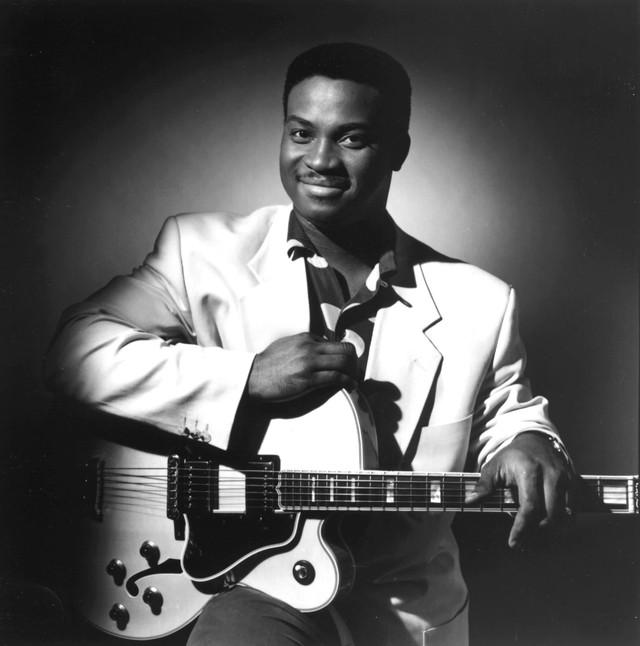
Russell Malone’s Spotify BioA highly esteemed guitarist with a clean attack and fluid, lyrical style, Russell Malone was known for his swinging, straight-ahead jazz, weaving in elements of blues, gospel, and R&B. Building upon the legacy of guitarists like Wes Montgomery and George Benson, Malone gained attention in the '80s, playing with Jimmy Smith, and went on to make vital contributions to albums by stars like Harry Connick, Jr. and Diana Krall. He released his debut solo album in 1992 and continued to produce acclaimed works, like 1998's Sweet Georgia Peach, 2000's Look Who's Here, and 2010's Triple Play. Along with releasing 2017's Time for the Dancers, he collaborated with luminaries like Ray Brown, Ron Carter, and Benny Green before his death in 2024.
Born in Albany, Georgia in 1963, Malone first began playing guitar around age four on a toy instrument, quickly graduating to the real thing. Largely self-taught, he initially drew inspiration listening to the recordings of gospel and blues artists including …the Dixie Hummingbirds and B.B. King. However, after seeing George Benson perform with Benny Goodman on a television show, Malone was hooked on jazz and began intently studying albums by legendary guitarists like Charlie Christian and Wes Montgomery.
By his twenties, Malone was an accomplished performer, and in 1988 he joined organist Jimmy Smith's band. Soon after, he also became a member of Harry Connick, Jr.'s big band, appearing on Connick's 1991 effort Blue Light, Red Light. With his growing reputation as a sideman, Malone next caught the attention of pianist/vocalist Diana Krall, with whom he would work throughout much of the '90s and 2000s. Also during this period, he appeared with a bevy of name artists including Branford Marsalis, Benny Green, Terell Stafford, Ray Brown, and others.
As a solo artist, Malone made his debut with 1992's Russell Malone, followed a year later by Black Butterfly. In 1999, he released Sweet Georgia Peach, which featured a guest appearance from pianist Kenny Barron. Malone kicked off the 2000s with several albums on Verve, including 2000's Look Who's Here and 2001's orchestral jazz-themed Heartstrings. He then moved to Maxjazz for 2004's Playground, featuring a guest appearance from saxophonist Gary Bartz, followed by 2010's Triple Play.
Over the next several years, Malone appeared on albums by Wynton Marsalis, Christian McBride, and Ron Carter, as well as Krall bandmate, bassist Ben Wolfe. He returned to solo work in 2015 with the eclectic small-group album Love Looks Good on You, followed a year later by All About Melody, both on HighNote. In 2017, he delivered his third HighNote album, Time for the Dancers, featuring his quartet with pianist Rick Germanson, bassist Luke Sellick, and drummer Willie Jones III. Malone died on August 23, 2024, in Tokyo, Japan, while touring with Ron Carter and Donald Vega. He was 60 years of age. ~ Matt Collar, Rovi
Viberate is a music analytics platform built for A&Rs, artist managers, labels, booking agents, marketers, and artists.
It helps music professionals track artist growth, analyze audience data, monitor playlist activity, compare artists, follow song performance, and identify opportunities across the music market.
Public artist pages provide a free preview of selected artist data. Paid plans provide access to deeper analytics, historical data, charts, comparisons, playlist tools, exports, alerts, reports, and additional professional features.
Yes. Public Viberate artist pages provide selected artist analytics and music data for free.
Viberate also offers a 7-day free trial of the full platform. A credit card is required to start the trial. The trial includes access to the complete product so users can test deeper artist analytics, historical views, playlist insights, comparisons, charts, exports, alerts, and reporting features before choosing a paid plan.
Viberate provides artist analytics across streaming, playlists, social media, video, radio airplay, songs, and audience markets.
Users can analyze Spotify performance, Spotify and Apple Music playlists, YouTube activity, TikTok and Instagram growth, radio spins, song performance, audience locations, demographics, rankings, and overall artist momentum.
Artist profiles also connect to music charts, similar artists, and comparison tools, helping users benchmark performance and evaluate artists in context.
Viberate updates key artist and track data daily.
For followed artists and tracks, selected data is refreshed multiple times per day. This helps teams monitor playlist changes, streaming movement, audience growth, releases, and campaign performance with more current data.
Update frequency can vary depending on the metric and data source.
Yes. Viberate lets users compare up to five artists side by side across streaming, social media, audience, and engagement metrics.
Users can compare fanbase growth, audience demographics, locations, Spotify performance, social metrics, and other artist data over selected time periods.
Artist comparison can be used for A&R scouting, benchmarking, booking decisions, campaign planning, and evaluating artists with similar audiences or market positions.