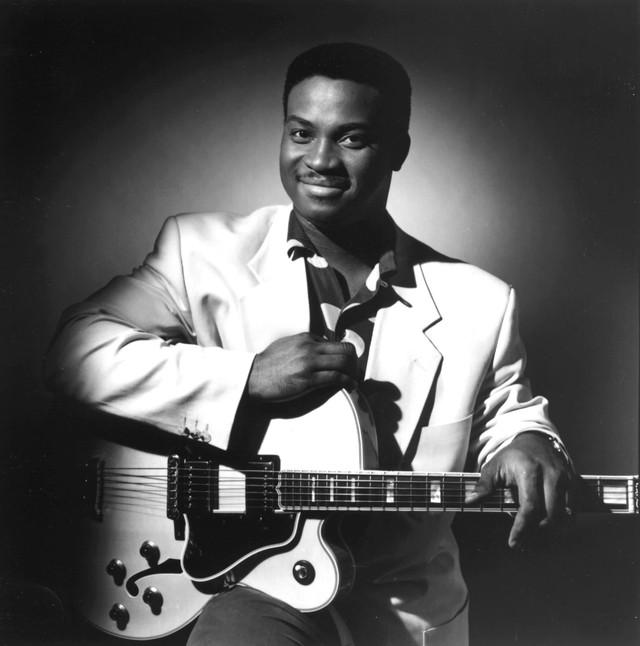
Martin Taylor

Jazz
Smooth Jazz
Jazz Fusion
 Viberate Rank: 104348
 Viberate Rank: 104348
 Monthly ListenersFollowers
 Subscribers
 Followers
 Followers
 FansTop Spotify Songs
| Track | 7-Day Streams | |
|---|---|---|
1 | 2.01K | |
2 | 1.99K | |
3 | 1.93K | |
4 | 1.92K | |
5 | 1.38K |
Top YouTube VideosMonthly ListenersFeatured in Playlists| Playlist | Followers | |
|---|---|---|
1 |  Paris Cafe Jazz gym377 | 35.63K |
2 | Gypsy jazz David Michielsen | 21.58K |
3 |  Soft Guitar for Sleep Dave Matthiessen | 21.09K |
4 | Jazz - French Kevin Martin | 19.65K |
5 | Audiophile High End René Scheilen | 17.64K |
Audience| City | Monthly Listeners | |
|---|---|---|
1 | | 379 |
2 |  | 277 |
3 | | 239 |
4 |  | 214 |
5 |  | 175 |
See full performance history, audience data, playlist activity, rankings, comparisons, and more in Viberate music analytics. Start with a free trial, then continue with a paid plan.
Martin Taylor’s Spotify BioSince the death of Joe Pass in 1994, Martin Taylor has become one of the most highly regarded guitarists in jazz. He was given his first guitar by his father, Buck Taylor. Although he was inspired at first by Django Reinhardt, it was piano players like Art Tatum that drew his attention and helped him practice to develop his phenomenal solo technique. In the late '70s, Stéphane Grappelli invited him to play in a series of concerts in France. The violinist was so impressed that he used Taylor often on tours and a variety of recording dates. Beginning in 1990, Taylor began recording a number of acclaimed CDs for the U.K. label Linn, and also did an excellent duet date with David Grisman for the mandolin player's Acoustic Disc label. 1991's Change of Heart, the following year's Artistry, and 1995's Portraits, are all representative of Taylor's strongest material from this prolific period.
In 2000, he released his debut on an American label, Columbia, entitled Kiss and Tell, while Stepping… Stones on Linn followed that same fall. Next, in June 2002, Taylor was awarded an MBE for his services to jazz. Later that year, his first recording for the Sony imprint P3 Records, Solo, was voted Best Album by the International Guitar Foundation. The rest of the decade saw Taylor issue a number of key additions to his canon: the fan-instigated, 2003 collaboration with Steve Howe entitled Masterpiece Guitars, the 2005 electric guitar-fueled Gypsy Journey, and the acclaimed 2008 album Double Standards. While Double Standards saw Taylor successfully deliver an album of guitar duets by overdubbing one guitar part onto another, his next run of albums were much more collaborative affairs. Two 2012 albums -- One for the Road and First Time Together! -- in turn saw him work with the English clarinetist Alan Barnes, and the U.S. guitarist Frank Vignola. 2013 brought a further meeting of technically gifted players when Taylor received equal billing on The Colonel & The Governor, an album of duets with the similarly revered guitarist Tommy Emmanuel. ~ Ken Dryden & James Wilkinson, Rovi
Viberate is a music analytics platform built for A&Rs, artist managers, labels, booking agents, marketers, and artists.
It helps music professionals track artist growth, analyze audience data, monitor playlist activity, compare artists, follow song performance, and identify opportunities across the music market.
Public artist pages provide a free preview of selected artist data. Paid plans provide access to deeper analytics, historical data, charts, comparisons, playlist tools, exports, alerts, reports, and additional professional features.
Yes. Public Viberate artist pages provide selected artist analytics and music data for free.
Viberate also offers a 7-day free trial of the full platform. A credit card is required to start the trial. The trial includes access to the complete product so users can test deeper artist analytics, historical views, playlist insights, comparisons, charts, exports, alerts, and reporting features before choosing a paid plan.
Viberate provides artist analytics across streaming, playlists, social media, video, radio airplay, songs, and audience markets.
Users can analyze Spotify performance, Spotify and Apple Music playlists, YouTube activity, TikTok and Instagram growth, radio spins, song performance, audience locations, demographics, rankings, and overall artist momentum.
Artist profiles also connect to music charts, similar artists, and comparison tools, helping users benchmark performance and evaluate artists in context.
Viberate updates key artist and track data daily.
For followed artists and tracks, selected data is refreshed multiple times per day. This helps teams monitor playlist changes, streaming movement, audience growth, releases, and campaign performance with more current data.
Update frequency can vary depending on the metric and data source.
Yes. Viberate lets users compare up to five artists side by side across streaming, social media, audience, and engagement metrics.
Users can compare fanbase growth, audience demographics, locations, Spotify performance, social metrics, and other artist data over selected time periods.
Artist comparison can be used for A&R scouting, benchmarking, booking decisions, campaign planning, and evaluating artists with similar audiences or market positions.