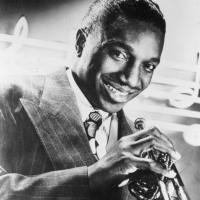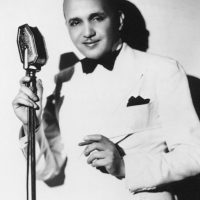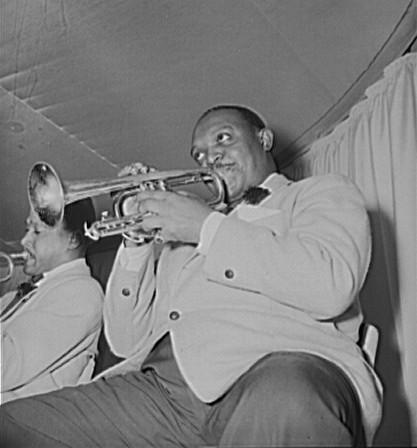
Rex Stewart

Jazz
Big band Jazz
Free Jazz
Swing
 Viberate Rank: 232984
 Viberate Rank: 232984
 Monthly ListenersFollowers
 Subscribers
 Followers
 Followers
 FansTop Spotify Songs
| Track | 7-Day Streams | |
|---|---|---|
1 | 4.90K | |
2 | 931 | |
3 | 868 | |
4 | 868 | |
5 | 868 |
Top YouTube VideosMonthly ListenersFeatured in Playlists| Playlist | Followers | |
|---|---|---|
1 |  This Is Django Reinhardt Spotify | 37.21K |
2 |  Starbucks Vintage Starbucks | 24.05K |
3 |  LINDY HOP Dance Music Li Smuki | 22.75K |
4 |  The Notebook - Soundtrack F L O | 21.61K |
5 | Swing Music for Dancers jquinlanspotify | 14.57K |
Audience| City | Monthly Listeners | |
|---|---|---|
1 |  | 264 |
2 |  | 238 |
3 |  | 233 |
4 |  | 224 |
5 | | 211 |
See full performance history, audience data, playlist activity, rankings, comparisons, and more in Viberate music analytics. Start with a free trial, then continue with a paid plan.
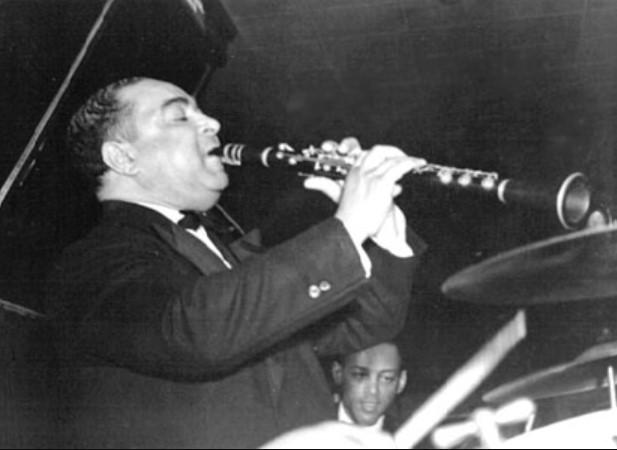
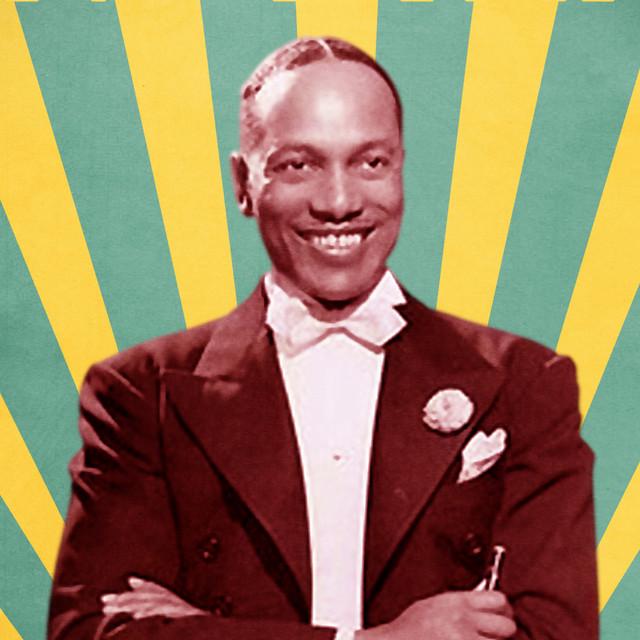
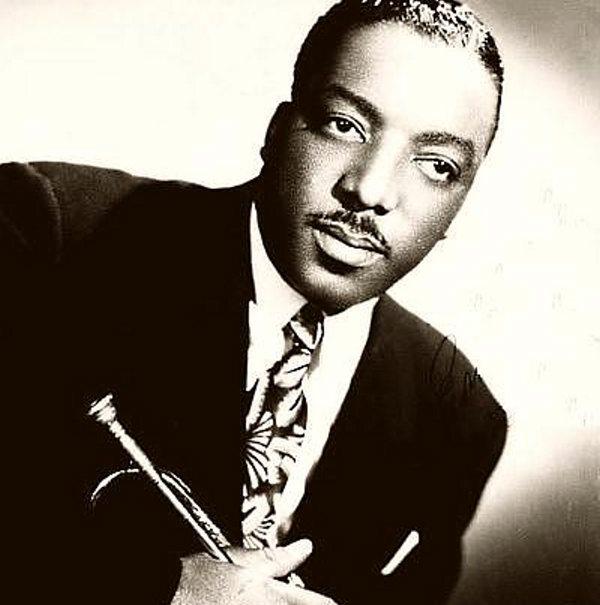
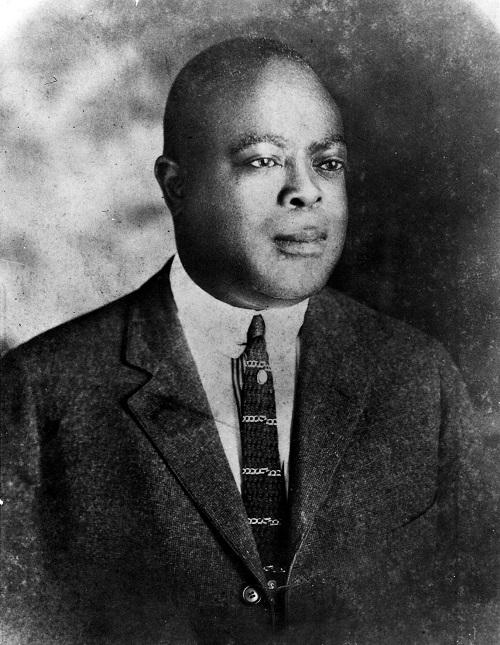
Rex Stewart’s Spotify BioRex Stewart achieved his greatest glory in a subsidiary role, playing cornet 11 years in the Duke Ellington Orchestra. His famous "talking" style and half-valve effects were exploited brilliantly by countless Ellington pieces containing perfect passages tailored to showcase Stewart's sound. He played in a forceful, gripping manner that reflected the influences of Louis Armstrong, Bubber Miley, and Bix Beiderbecke, whose solos he once reproduced on record. Stewart played on Potomac riverboats before moving to Philadelphia. He went to New York in 1921. Stewart worked with Elmer Snowden in 1925, then joined Fletcher Henderson a year later. But he felt his talents were not at the necessary level, and departed Henderson's band, joining his brother Horace's band at Wilberforce College. Stewart returned in 1928. He remained five years and contributed many memorable solos. There was also a brief period in McKinney's Cotton Pickers in 1931, a stint heading his own band, and another short stay… with Luis Russell before Stewart joined the Ellington Orchestra in 1934.
He was a star throughout his tenure, co-writing classics "Boy Meets Horn" and "Morning Glory." He also supervised many outside recording sessions using Ellingtonians. After leaving, Stewart led various combos and performed throughout Europe and Australia on an extensive Jazz at the Philharmonic tour from 1947-1951. He lectured at the Paris Conservatory in 1948. Stewart settled in New Jersey to run a farm in the early '50s. He was semi-retired, but found new success in the media. He worked in local radio and television, while leading a band part-time in Boston. Stewart led the Fletcher Henderson reunion band in 1957 and 1958, and recorded with them. He played at Eddie Condon's club in 1958 and 1959, then moved to the West Coast. Stewart again worked as a disc jockey and became a critic. While he published many excellent pieces, a collection containing many of his best reviews, Jazz Masters of the Thirties, came out posthumously. There's also a Stewart autobiography available. ~ Ron Wynn, Rovi
Viberate is a music analytics platform built for A&Rs, artist managers, labels, booking agents, marketers, and artists.
It helps music professionals track artist growth, analyze audience data, monitor playlist activity, compare artists, follow song performance, and identify opportunities across the music market.
Public artist pages provide a free preview of selected artist data. Paid plans provide access to deeper analytics, historical data, charts, comparisons, playlist tools, exports, alerts, reports, and additional professional features.
Yes. Public Viberate artist pages provide selected artist analytics and music data for free.
Viberate also offers a 7-day free trial of the full platform. A credit card is required to start the trial. The trial includes access to the complete product so users can test deeper artist analytics, historical views, playlist insights, comparisons, charts, exports, alerts, and reporting features before choosing a paid plan.
Viberate provides artist analytics across streaming, playlists, social media, video, radio airplay, songs, and audience markets.
Users can analyze Spotify performance, Spotify and Apple Music playlists, YouTube activity, TikTok and Instagram growth, radio spins, song performance, audience locations, demographics, rankings, and overall artist momentum.
Artist profiles also connect to music charts, similar artists, and comparison tools, helping users benchmark performance and evaluate artists in context.
Viberate updates key artist and track data daily.
For followed artists and tracks, selected data is refreshed multiple times per day. This helps teams monitor playlist changes, streaming movement, audience growth, releases, and campaign performance with more current data.
Update frequency can vary depending on the metric and data source.
Yes. Viberate lets users compare up to five artists side by side across streaming, social media, audience, and engagement metrics.
Users can compare fanbase growth, audience demographics, locations, Spotify performance, social metrics, and other artist data over selected time periods.
Artist comparison can be used for A&R scouting, benchmarking, booking decisions, campaign planning, and evaluating artists with similar audiences or market positions.