A Life Once Lost

Metal
Metalcore/Deathcore
Groove Metal
 Viberate Rank: 218394
 Viberate Rank: 218394
 Monthly ListenersFollowers
 Subscribers
 Followers
 Followers
 FansTop Spotify Songs
| Track | 7-Day Streams | |
|---|---|---|
1 | 1.85K | |
2 | 712 | |
3 | 519 | |
4 | 477 | |
5 | 226 |
Top YouTube VideosMonthly ListenersFeatured in Playlists| Playlist | Followers | |
|---|---|---|
1 |  2000s Metalcore ('00-'09) Loudwire | 16.26K |
2 | alt-J's Collective Memory alt-J | 9.29K |
3 | Death Metal Mix 2025 Robin Hassel | 7.44K |
4 | actual good metalcore grave | 5.62K |
5 | Rammstein reddeadday | 3.49K |
Audience| City | Monthly Listeners | |
|---|---|---|
1 | | 195 |
2 | | 155 |
3 | | 131 |
4 | | 118 |
5 |  | 104 |
See full performance history, audience data, playlist activity, rankings, comparisons, and more in Viberate music analytics. Start with a free trial, then continue with a paid plan.
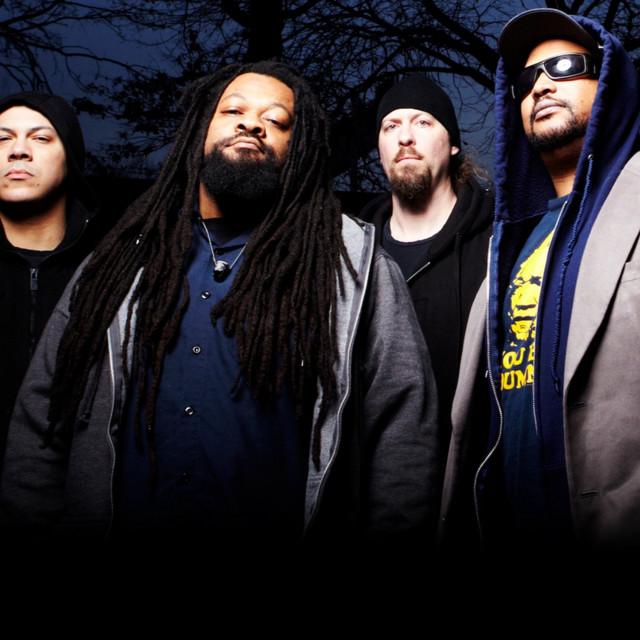
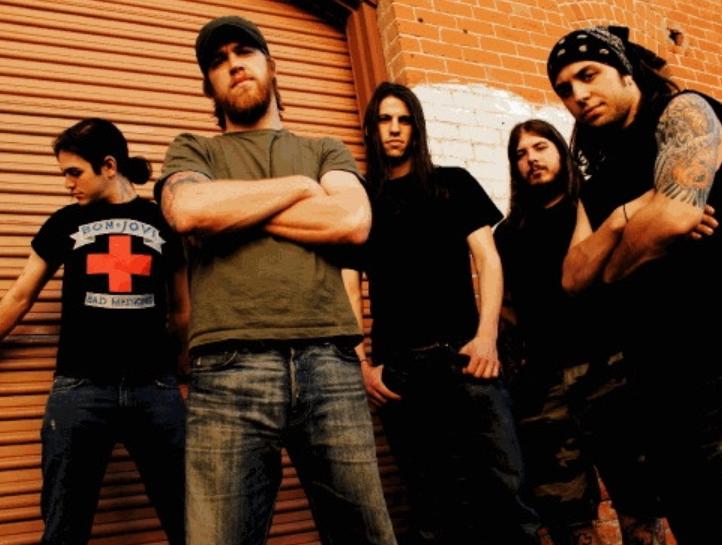
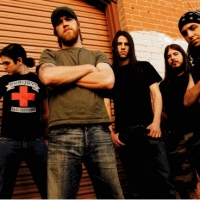
A Life Once Lost’s Spotify BioOriginally formed in 1999, Philadelphia's A Life Once Lost joined a rapidly growing fraternity of metalcore bands (Converge, God Forbid, Killswitch Engage, to name but a few) spread across the U.S. Eastern Seaboard. Over the next few years, these groups helped define the so-called New Wave of American Heavy Metal. Featuring vocalist Robert Meadows, guitarists Robert Carpenter and Douglas Sabolick, bassist Nick Frasca, and drummer Justin Graves, their releases included 2000's Open Your Mouth for the Speechless... LP, and 2003's A Great Artist LP and The Fourth Plague: Flies EP. Those last two records not only snagged the guys tours with Throwdown, Breather Resist, Dead to Fall, and more, but also the attention of Nora's Carl Severson, who eventually signed the band to Ferret Music, which then released the LP Hunter in 2005. ~ Eduardo Rivadavia, Rovi
Viberate is a music analytics platform built for A&Rs, artist managers, labels, booking agents, marketers, and artists.
It helps music professionals track artist growth, analyze audience data, monitor playlist activity, compare artists, follow song performance, and identify opportunities across the music market.
Public artist pages provide a free preview of selected artist data. Paid plans provide access to deeper analytics, historical data, charts, comparisons, playlist tools, exports, alerts, reports, and additional professional features.
Yes. Public Viberate artist pages provide selected artist analytics and music data for free.
Viberate also offers a 7-day free trial of the full platform. A credit card is required to start the trial. The trial includes access to the complete product so users can test deeper artist analytics, historical views, playlist insights, comparisons, charts, exports, alerts, and reporting features before choosing a paid plan.
Viberate provides artist analytics across streaming, playlists, social media, video, radio airplay, songs, and audience markets.
Users can analyze Spotify performance, Spotify and Apple Music playlists, YouTube activity, TikTok and Instagram growth, radio spins, song performance, audience locations, demographics, rankings, and overall artist momentum.
Artist profiles also connect to music charts, similar artists, and comparison tools, helping users benchmark performance and evaluate artists in context.
Viberate updates key artist and track data daily.
For followed artists and tracks, selected data is refreshed multiple times per day. This helps teams monitor playlist changes, streaming movement, audience growth, releases, and campaign performance with more current data.
Update frequency can vary depending on the metric and data source.
Yes. Viberate lets users compare up to five artists side by side across streaming, social media, audience, and engagement metrics.
Users can compare fanbase growth, audience demographics, locations, Spotify performance, social metrics, and other artist data over selected time periods.
Artist comparison can be used for A&R scouting, benchmarking, booking decisions, campaign planning, and evaluating artists with similar audiences or market positions.