High Tide

Rock
Progressive Rock
 Viberate Rank: 248985
 Viberate Rank: 248985
 Monthly ListenersFollowers
 Subscribers
 Followers
 Followers
 FansTop Spotify Songs
| Track | 7-Day Streams | |
|---|---|---|
1 | 1.11K | |
2 | 1.00K | |
3 | 934 | |
4 | 642 | |
5 | 569 |
Top YouTube VideosMonthly ListenersFeatured in Playlists| Playlist | Followers | |
|---|---|---|
1 |  Sauna: Deep + Acid House Spotify | 46.22K |
2 |  FENRIZ METAL Gylve | 32.35K |
3 |  The Total Mixtape Ayhan Can Sezer | 29.57K |
4 | NTS LIVE Sabri M. | 20.08K |
5 |  Deep House Classics 2026 Thomas Coxhead | 15.03K |
Audience| City | Monthly Listeners | |
|---|---|---|
1 | | 172 |
2 |  | 103 |
3 |  | 101 |
4 | | 86 |
5 |  | 82 |
See full performance history, audience data, playlist activity, rankings, comparisons, and more in Viberate music analytics. Start with a free trial, then continue with a paid plan.
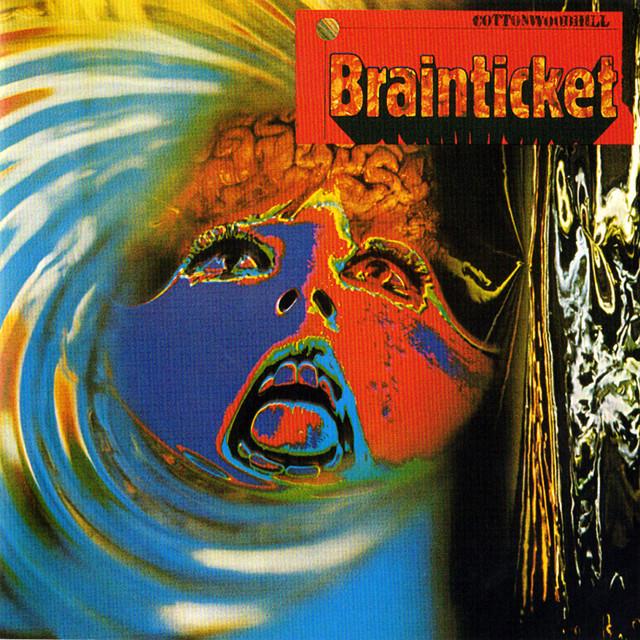
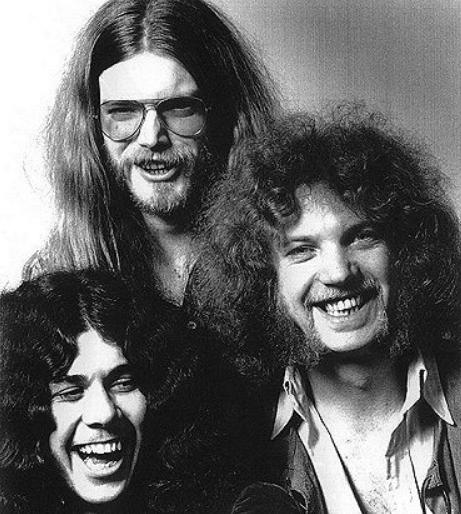
High Tide’s Spotify BioA group that may have been too clever by half to succeed in England, High Tide never received more than a minimal amount of acceptance in their own country, but found a cult audience on the European continent. Formed in 1969, they played progressive rock with some folk and pop influences. Tony Hill was the singer and guitarist, Simon House played violin and keyboards, Peter Pavli handled the bass, and Roger Hadden played the drums. They were signed to Liberty Records' U.K. division in 1969 and released two albums over the next year -- Sea Shanties and a self-titled second album -- both of which featured dazzling guitar work by Hill and occasional striking interplay between his instrument and House's violin. The group never really found an audience however, splitting up in 1970. Simon House later became a member of Hawkwind, played with David Bowie, and joined members of the Third Ear Band to perform on the soundtrack of Roman Polanski's movie Macbeth. Pavli later joined in recording… with House and several other Hawkwind expatriates. Hill and House have also recorded together in more recent years. The group also backed Denver Gerrard on his 1970 solo album. ~ Bruce Eder, Rovi
Viberate is a music analytics platform built for A&Rs, artist managers, labels, booking agents, marketers, and artists.
It helps music professionals track artist growth, analyze audience data, monitor playlist activity, compare artists, follow song performance, and identify opportunities across the music market.
Public artist pages provide a free preview of selected artist data. Paid plans provide access to deeper analytics, historical data, charts, comparisons, playlist tools, exports, alerts, reports, and additional professional features.
Yes. Public Viberate artist pages provide selected artist analytics and music data for free.
Viberate also offers a 7-day free trial of the full platform. A credit card is required to start the trial. The trial includes access to the complete product so users can test deeper artist analytics, historical views, playlist insights, comparisons, charts, exports, alerts, and reporting features before choosing a paid plan.
Viberate provides artist analytics across streaming, playlists, social media, video, radio airplay, songs, and audience markets.
Users can analyze Spotify performance, Spotify and Apple Music playlists, YouTube activity, TikTok and Instagram growth, radio spins, song performance, audience locations, demographics, rankings, and overall artist momentum.
Artist profiles also connect to music charts, similar artists, and comparison tools, helping users benchmark performance and evaluate artists in context.
Viberate updates key artist and track data daily.
For followed artists and tracks, selected data is refreshed multiple times per day. This helps teams monitor playlist changes, streaming movement, audience growth, releases, and campaign performance with more current data.
Update frequency can vary depending on the metric and data source.
Yes. Viberate lets users compare up to five artists side by side across streaming, social media, audience, and engagement metrics.
Users can compare fanbase growth, audience demographics, locations, Spotify performance, social metrics, and other artist data over selected time periods.
Artist comparison can be used for A&R scouting, benchmarking, booking decisions, campaign planning, and evaluating artists with similar audiences or market positions.