Stray

Rock
Hard Rock
 Viberate Rank: 252124
 Viberate Rank: 252124
 Monthly ListenersFollowers
 Subscribers
 Followers
 Followers
 FansTop Spotify Songs
| Track | 7-Day Streams | |
|---|---|---|
1 | 682 | |
2 | 413 | |
3 | 327 | |
4 | 231 | |
5 | 197 |
Top YouTube VideosMonthly ListenersFeatured in Playlists| Playlist | Followers | |
|---|---|---|
1 |  70s Proto-Metal, Heavy Psych & Obscure Hard Rock Jordan Edrei | 11.27K |
2 | Best Guitar Solo On Earth Musopedia | 9.34K |
3 | 60s Psychedelic Trip andreas1965-71 | 8.20K |
4 |  Off Your Face anton newcombe | 5.86K |
5 | Psychedelic 60s Acid Rock & Heavy Psychadelia byggavdelningen | 5.51K |
Audience| City | Monthly Listeners | |
|---|---|---|
1 | | 128 |
2 |  | 73 |
3 |  | 55 |
4 |  | 50 |
5 |  | 48 |
See full performance history, audience data, playlist activity, rankings, comparisons, and more in Viberate music analytics. Start with a free trial, then continue with a paid plan.
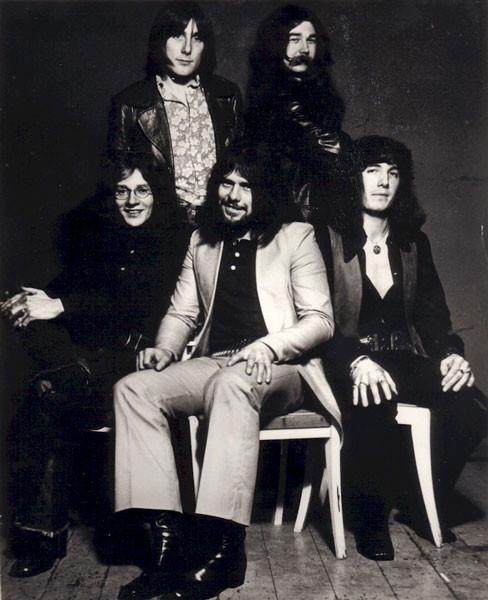
Stray’s Spotify BioLondon, England's Stray yielded a prolific career yet managed to elude the fame enjoyed by contemporaries like Cream, Thin Lizzy, or even Mountain. Formed in 1966, the hard rock, prog, and R&B outfit comprised of vocalist/guitarist Del Bromham, vocalist/guitarist Steve Gadd, bass player Gary Giles, and drummer Ritchie Cole signed to Transatlantic Records and released its debut, self-titled album in 1970. The group flirted with success throughout the '70s, releasing nine more records and even recruiting Charlie Kray -- the brother of the notorious Kray twins -- as their manager. In 1975, just prior to the release of Houdini, Gadd was replaced by Peter Dyer, who injected some much-needed life into the band, though the end was near for the financially strapped rockers. They released their last record, the ambitious Hearts of Fire, in 1976 on the Pye label, and proceeded to splinter off into various solo projects. Bromham re-formed the group in 1997 as a three-piece with newcomers Dusty… Miller and Phil McKee, renaming the band Del Bromham's Stray, and released a live record called Alive and Giggin' on Mystic Records. In 2003, Castle put out the sprawling 35-track Anthology: 1970-1977. The majority of Stray's back catalog remains out of print. ~ James Christopher Monger, Rovi
Viberate is a music analytics platform built for A&Rs, artist managers, labels, booking agents, marketers, and artists.
It helps music professionals track artist growth, analyze audience data, monitor playlist activity, compare artists, follow song performance, and identify opportunities across the music market.
Public artist pages provide a free preview of selected artist data. Paid plans provide access to deeper analytics, historical data, charts, comparisons, playlist tools, exports, alerts, reports, and additional professional features.
Yes. Public Viberate artist pages provide selected artist analytics and music data for free.
Viberate also offers a 7-day free trial of the full platform. A credit card is required to start the trial. The trial includes access to the complete product so users can test deeper artist analytics, historical views, playlist insights, comparisons, charts, exports, alerts, and reporting features before choosing a paid plan.
Viberate provides artist analytics across streaming, playlists, social media, video, radio airplay, songs, and audience markets.
Users can analyze Spotify performance, Spotify and Apple Music playlists, YouTube activity, TikTok and Instagram growth, radio spins, song performance, audience locations, demographics, rankings, and overall artist momentum.
Artist profiles also connect to music charts, similar artists, and comparison tools, helping users benchmark performance and evaluate artists in context.
Viberate updates key artist and track data daily.
For followed artists and tracks, selected data is refreshed multiple times per day. This helps teams monitor playlist changes, streaming movement, audience growth, releases, and campaign performance with more current data.
Update frequency can vary depending on the metric and data source.
Yes. Viberate lets users compare up to five artists side by side across streaming, social media, audience, and engagement metrics.
Users can compare fanbase growth, audience demographics, locations, Spotify performance, social metrics, and other artist data over selected time periods.
Artist comparison can be used for A&R scouting, benchmarking, booking decisions, campaign planning, and evaluating artists with similar audiences or market positions.