May Blitz

Rock
Progressive Rock
 Viberate Rank: 297206
 Viberate Rank: 297206
 Monthly ListenersFollowers
 Subscribers
 Followers
 Followers
 FansTop Spotify Songs
| Track | 7-Day Streams | |
|---|---|---|
1 | 626 | |
2 | 273 | |
3 | 237 | |
4 | 203 | |
5 | 119 |
Top YouTube VideosMonthly ListenersFeatured in Playlists| Playlist | Followers | |
|---|---|---|
1 |  FENRIZ METAL Gylve | 32.35K |
2 |  70s Proto-Metal, Heavy Psych & Obscure Hard Rock Jordan Edrei | 11.27K |
3 | atlan221 | 10.72K |
4 | Psychedelic 60s Acid Rock & Heavy Psychadelia byggavdelningen | 5.51K |
5 |  Classic Stoner Rock (60's, 70's, 80's) Connor Ligon | 5.37K |
Audience| City | Monthly Listeners | |
|---|---|---|
1 |  | 47 |
2 | | 43 |
3 |  | 43 |
4 |  | 36 |
5 |  | 34 |
See full performance history, audience data, playlist activity, rankings, comparisons, and more in Viberate music analytics. Start with a free trial, then continue with a paid plan.
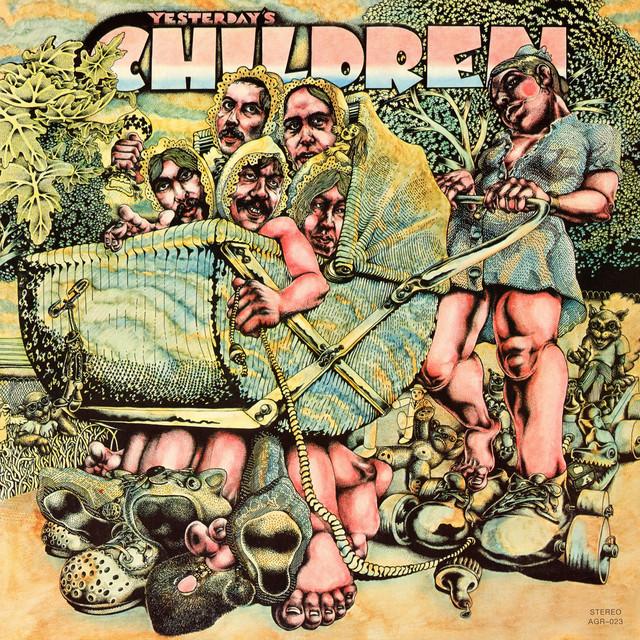
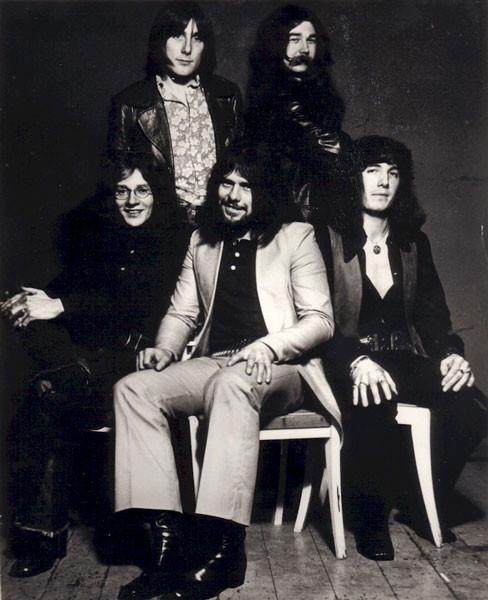
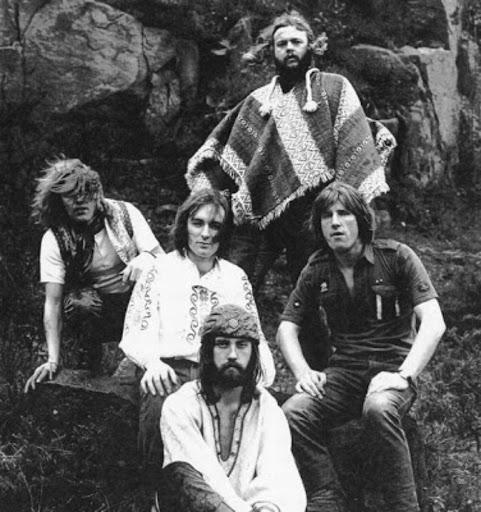
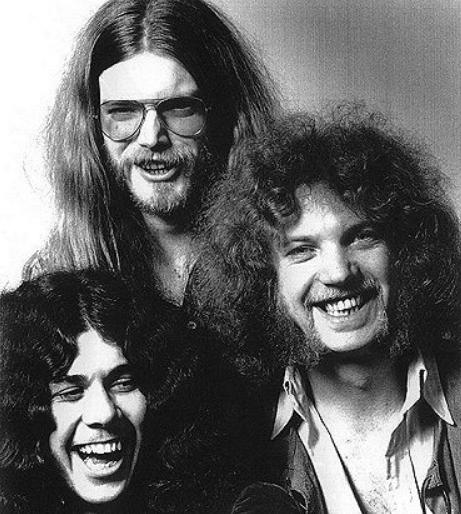
May Blitz’s Spotify BioMay Blitz was one of the first four bands signed by eminent progressive and heavy rock label, Vertigo, along with future legends Black Sabbath, Uriah Heep, and the largely forgotten Juicy Lucy, whose less fortunate fate they would unfortunately share, in the end. Although usually attributed to former Jeff Beck Group drummer Tony Newman (who had played on the all-time classic Beck-Ola), May Blitz was in fact first envisioned in early 1969 by relative unknown James Black (lead vocals and guitar), who along with eventual bassist Reid Hudson was a Canadian, recently relocated to the U.K. in search of fame and fortune. Evidently molded upon the then extremely popular power trio template (established a few years earlier by Cream and the Jimi Hendrix Experience, and soon adopted by countless upstarts like Rory Gallagher's Taste, New York's Sir Lord Baltimore, and an early Thin Lizzy, to name but a few), May Blitz worked up their repertoire by playing the U.K. pub and college circuit, before… inking their Vertigo deal and getting to work on their eponymous first album. Released in mid-1970, that self-produced platter showcased an interesting selection of proggy acid rock jams, infused with proto-metal guitar histrionics, but wasn't distinctive enough, overall, to separate May Blitz from the hordes of competitors mining similar terrain. (No thanks to its hideous cover art, depicting a poorly rendered caricature of what Mountain's Leslie West might look like in drag!) Sales were similarly disappointing, and so the trio soon returned to the studio -- this time with producer John Anthony helping out -- and began working on their cleverly titled sophomore opus, The 2nd of May, which emerged barely six months later, in early 1971. Yet, despite adding a few novel elements of folk and space rock, and reigning in some of its predecessor's long-winded flights of fancy, The 2nd of May was nowhere near as compositionally inspired; sporadic bright moments were lost amidst several improvised jams masquerading as proper songs, so that consumers, once again, seemed more interested in satisfying their power trio fix elsewhere. Not ones to delude themselves, either, the members of May Blitz were able to read the tea leaves prophesying their dim future prospects, and mutually decided to go their separate ways later that year. Drum-stool lifer Newman didn't tarry long before trying his luck with another hard rock power trio called Three Man Army (with much the same underwhelming results, unfortunately), while Black and Hudson quietly vanished from historical record altogether, reputedly heading back home to Canada in due time. ~ Eduardo Rivadavia, Rovi
Viberate is a music analytics platform built for A&Rs, artist managers, labels, booking agents, marketers, and artists.
It helps music professionals track artist growth, analyze audience data, monitor playlist activity, compare artists, follow song performance, and identify opportunities across the music market.
Public artist pages provide a free preview of selected artist data. Paid plans provide access to deeper analytics, historical data, charts, comparisons, playlist tools, exports, alerts, reports, and additional professional features.
Yes. Public Viberate artist pages provide selected artist analytics and music data for free.
Viberate also offers a 7-day free trial of the full platform. A credit card is required to start the trial. The trial includes access to the complete product so users can test deeper artist analytics, historical views, playlist insights, comparisons, charts, exports, alerts, and reporting features before choosing a paid plan.
Viberate provides artist analytics across streaming, playlists, social media, video, radio airplay, songs, and audience markets.
Users can analyze Spotify performance, Spotify and Apple Music playlists, YouTube activity, TikTok and Instagram growth, radio spins, song performance, audience locations, demographics, rankings, and overall artist momentum.
Artist profiles also connect to music charts, similar artists, and comparison tools, helping users benchmark performance and evaluate artists in context.
Viberate updates key artist and track data daily.
For followed artists and tracks, selected data is refreshed multiple times per day. This helps teams monitor playlist changes, streaming movement, audience growth, releases, and campaign performance with more current data.
Update frequency can vary depending on the metric and data source.
Yes. Viberate lets users compare up to five artists side by side across streaming, social media, audience, and engagement metrics.
Users can compare fanbase growth, audience demographics, locations, Spotify performance, social metrics, and other artist data over selected time periods.
Artist comparison can be used for A&R scouting, benchmarking, booking decisions, campaign planning, and evaluating artists with similar audiences or market positions.