Henson Cargill

Country
Contemporary Country
Folk Rock
 Viberate Rank: 172064
 Viberate Rank: 172064
 Monthly ListenersFollowers
 Subscribers
 Followers
 Followers
 FansTop Spotify Songs
| Track | 7-Day Streams | |
|---|---|---|
1 | 17.78K | |
2 | 1.01K | |
3 | 558 | |
4 | 434 | |
5 | 423 |
Top YouTube VideosMonthly ListenersFeatured in Playlists| Playlist | Followers | |
|---|---|---|
1 |  60s Country Spotify | 388.01K |
2 |  Classic Country (50s, 60s, 70s, 80s, 90s, 00s) Pure Country | 33.71K |
3 |  Best Country Songs Ever Pure Country | 33.62K |
4 |  WESTERN COUNTRY cedric detweiler | 21.26K |
5 | Alabama – Greatest Hits 123toleman | 13.45K |
Audience| City | Monthly Listeners | |
|---|---|---|
1 | | 814 |
2 | | 746 |
3 | | 557 |
4 | | 546 |
5 | | 519 |
See full performance history, audience data, playlist activity, rankings, comparisons, and more in Viberate music analytics. Start with a free trial, then continue with a paid plan.
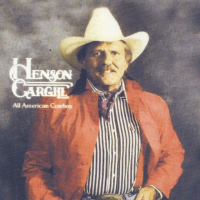
Henson Cargill’s Spotify BioHenson Cargill had tried his hand at being a lawyer, rancher, and deputy sheriff before settling on country music as a career after returning to Oklahoma from Colorado State University. He began playing local bars and was asked to join the Kimberlys by their leader, Harold Gay. Cargill went to Nashville in the mid-'60s and, after auditioning for different labels, signed with Fred Foster at Monument in 1967. Foster teamed Henson with producer Don Law to record the Jack Moran song "Skip a Rope." The single was a tremendous success and not only topped the country charts for five weeks, but also crossed over to the Top 25 on the pop charts. During 1968-1969, Henson went on to have two more Top 20 country hits, including "None of My Business." In 1969, he also began hosting Avco Broadcasting's syndicated show Country Hayride and recorded steadily for the next few years. In 1971, the single "The Most Uncomplicated Good-Bye I've Ever Heard" hit the Top 20, and two years later he recorded two… Top 30 hits, including "Some Old California Memory." Cargill's next hit, however, was over six years in coming. Finally, in 1979, "Silence on the Line" made the Top 30. Cargill eventually left Nashville and returned to Oklahoma, but continued to perform sporadically. During the 1980s and '90s, Cargill was a fixture on the Las Vegas/Reno casino entertainment circuit. In 2003, he issued All American Cowboy through his website. The double album featured re-recorded versions of hits like "Skip a Rope," as well as new material. ~ Johnny Loftus, Rovi
Viberate is a music analytics platform built for A&Rs, artist managers, labels, booking agents, marketers, and artists.
It helps music professionals track artist growth, analyze audience data, monitor playlist activity, compare artists, follow song performance, and identify opportunities across the music market.
Public artist pages provide a free preview of selected artist data. Paid plans provide access to deeper analytics, historical data, charts, comparisons, playlist tools, exports, alerts, reports, and additional professional features.
Yes. Public Viberate artist pages provide selected artist analytics and music data for free.
Viberate also offers a 7-day free trial of the full platform. A credit card is required to start the trial. The trial includes access to the complete product so users can test deeper artist analytics, historical views, playlist insights, comparisons, charts, exports, alerts, and reporting features before choosing a paid plan.
Viberate provides artist analytics across streaming, playlists, social media, video, radio airplay, songs, and audience markets.
Users can analyze Spotify performance, Spotify and Apple Music playlists, YouTube activity, TikTok and Instagram growth, radio spins, song performance, audience locations, demographics, rankings, and overall artist momentum.
Artist profiles also connect to music charts, similar artists, and comparison tools, helping users benchmark performance and evaluate artists in context.
Viberate updates key artist and track data daily.
For followed artists and tracks, selected data is refreshed multiple times per day. This helps teams monitor playlist changes, streaming movement, audience growth, releases, and campaign performance with more current data.
Update frequency can vary depending on the metric and data source.
Yes. Viberate lets users compare up to five artists side by side across streaming, social media, audience, and engagement metrics.
Users can compare fanbase growth, audience demographics, locations, Spotify performance, social metrics, and other artist data over selected time periods.
Artist comparison can be used for A&R scouting, benchmarking, booking decisions, campaign planning, and evaluating artists with similar audiences or market positions.