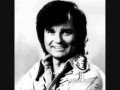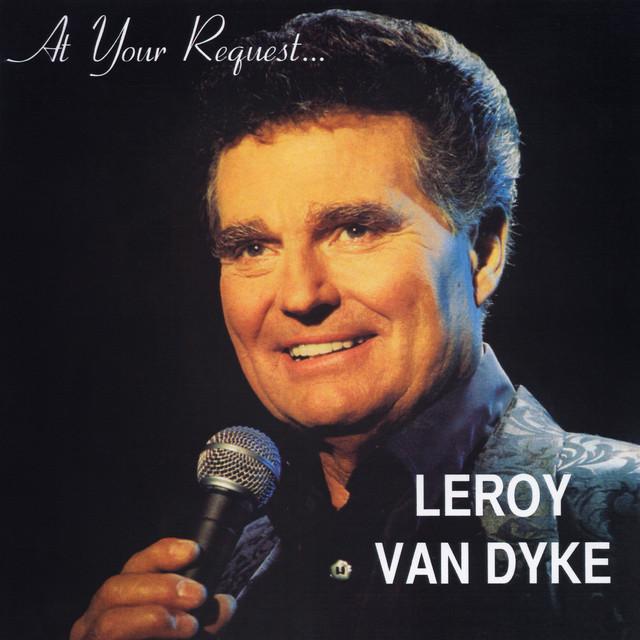
Leroy Van Dyke

Country
Contemporary Country
Mainstream Pop
 Viberate Rank: 103733
 Viberate Rank: 103733
 Monthly ListenersFollowers
 Subscribers
 Followers
 Followers
 FansTop Spotify Songs
| Track | 7-Day Streams | |
|---|---|---|
1 | 42.90K | |
2 | 3.09K | |
3 | 2.77K | |
4 | 2.44K | |
5 | 1.82K |
Top YouTube VideosMonthly ListenersFeatured in Playlists| Playlist | Followers | |
|---|---|---|
1 |  60s Country Spotify | 388.01K |
2 | 90s and 2000s Country Music LunaTheTuna331 | 104.49K |
3 |  Out in the Open Ben Kretchman | 64.64K |
4 |  Old Country Classics Glenn Asbjørn B. Ovedal | 34.48K |
5 | whitneyrobbins | 20.68K |
Audience| City | Monthly Listeners | |
|---|---|---|
1 |  | 3.17K |
2 | | 3.10K |
3 | | 2.77K |
4 | | 2.63K |
5 |  | 2.05K |
See full performance history, audience data, playlist activity, rankings, comparisons, and more in Viberate music analytics. Start with a free trial, then continue with a paid plan.
Leroy Van Dyke’s Spotify BioSinger/songwriter Leroy Van Dyke was best known for penning the country novelty standard "The Auctioneer" and the country-pop smash "Walk on By," his biggest hit. Born in Missouri, Van Dyke originally wanted to be a farmer. He earned a degree in agriculture and journalism at the University of Missouri, where he first began playing guitar. His uncle had been an auctioneer, and Van Dyke himself studied livestock auctioneering and worked as an auctioneer for a time. Following graduation, he worked as a newspaper reporter. Sent to Korea during the Korean War, he began performing for his peers and wrote "The Auctioneer," which recalled Van Dyke's uncle and was dedicated to his cousin. The song contains passages of actual auction calls.
Following military service, Van Dyke returned to journalism in Chicago but kept up his performing career, appearing on Red Foley's Ozark Jubilee television show. In 1956, he entered a talent contest on Chicago radio station WGN, performing "The Auctioneer." DJ… Buddy Black signed up as Van Dyke's manager and slipped in a document giving himself co-writing credits and half the royalties for the song. Released as a single on the Dot label, the song hit the pop charts in late 1956 and appeared on the country charts in early 1957, where it climbed to the Top Ten. In 1961, Van Dyke went to Nashville and signed with Mercury. One of his early releases on the label was "Walk on By," which went right to the top of the country charts and remained there for 19 weeks; it also crossed over to the Top Five on the pop charts. Van Dyke contributed his distinctive smooth tenor to what became one of country music's quintessential cheating songs, a fast two-step number with a certain sly veneer of sophistication.
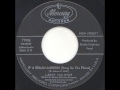
"Walk on By," which gained a Grammy nomination for Van Dyke, was followed up with another major crossover hit, "If a Woman Answers (Hang Up the Phone)," and the Top 40 "Black Cloud." In 1962, Van Dyke began appearing on the Grand Ole Opry. His next few Mercury releases gained only middling success, and in 1965 he signed to Warner Bros and had Top 40 success with "Roses from a Stranger." In 1967, Van Dyke appeared in the film What Am I Bid? He recorded throughout the decade but hit the charts only with "Louisville" in 1968. Nevertheless, he remained a strong draw in Las Vegas (where he was among the first country performers to package and deliver his own self-contained show) and other upscale concert locales; as a performer Van Dyke mastered the art of combining a rural persona with a countrypolitan sheen; he offered what he called "city-style country music" on the album The Leroy Van Dyke Show. In 1977, he notched one final minor hit, "Texas Tea." Later that year he also released two albums, Gospel Greats and Rock Relics, both produced by old friend Shelby Singleton. He performed often in Branson, Missouri, after that town emerged as a country music tourist Mecca, and he continued to appear at the agricultural trade shows and livestock auctions, where his music had sprung. He continued to perform at fairs, festivals, livestock events, rodeos, supper clubs, conventions, agricultural shows, and private functions well into his late eighties, and oversaw the reissue of his '50s sides compiled as Cowboy Country on Sun Records in 2018. ~ Sandra Brennan & James Manheim, Rovi
Viberate is a music analytics platform built for A&Rs, artist managers, labels, booking agents, marketers, and artists.
It helps music professionals track artist growth, analyze audience data, monitor playlist activity, compare artists, follow song performance, and identify opportunities across the music market.
Public artist pages provide a free preview of selected artist data. Paid plans provide access to deeper analytics, historical data, charts, comparisons, playlist tools, exports, alerts, reports, and additional professional features.
Yes. Public Viberate artist pages provide selected artist analytics and music data for free.
Viberate also offers a 7-day free trial of the full platform. A credit card is required to start the trial. The trial includes access to the complete product so users can test deeper artist analytics, historical views, playlist insights, comparisons, charts, exports, alerts, and reporting features before choosing a paid plan.
Viberate provides artist analytics across streaming, playlists, social media, video, radio airplay, songs, and audience markets.
Users can analyze Spotify performance, Spotify and Apple Music playlists, YouTube activity, TikTok and Instagram growth, radio spins, song performance, audience locations, demographics, rankings, and overall artist momentum.
Artist profiles also connect to music charts, similar artists, and comparison tools, helping users benchmark performance and evaluate artists in context.
Viberate updates key artist and track data daily.
For followed artists and tracks, selected data is refreshed multiple times per day. This helps teams monitor playlist changes, streaming movement, audience growth, releases, and campaign performance with more current data.
Update frequency can vary depending on the metric and data source.
Yes. Viberate lets users compare up to five artists side by side across streaming, social media, audience, and engagement metrics.
Users can compare fanbase growth, audience demographics, locations, Spotify performance, social metrics, and other artist data over selected time periods.
Artist comparison can be used for A&R scouting, benchmarking, booking decisions, campaign planning, and evaluating artists with similar audiences or market positions.