Henry Gross

Rock
Pop Rock
Garage Rock
 Viberate Rank: 144379
 Viberate Rank: 144379
 Monthly ListenersFollowers
 Subscribers
 Followers
 Followers
 FansTop Spotify Songs
| Track | 7-Day Streams | |
|---|---|---|
1 | 17.73K | |
2 | 368 | |
3 | 55 | |
4 | 55 | |
5 | 41 |
Top YouTube VideosMonthly ListenersFeatured in Playlists| Playlist | Followers | |
|---|---|---|
1 | Classic Rock Greatest Hits Scott Pruden | 341.42K |
2 |  Soft Rock Drive Spotify | 321.17K |
3 | Soft Rock and Pop: 60s, 70s, 80s dachweiler | 25.09K |
4 | 60/70/80s Mellow Soft Rock Easy Listening Chill Yacht Rock Lolip | 14.27K |
5 | My music Barry Hewitt | 12.63K |
Audience| City | Monthly Listeners | |
|---|---|---|
1 |  | 655 |
2 |  | 591 |
3 | | 536 |
4 | | 484 |
5 | | 482 |
See full performance history, audience data, playlist activity, rankings, comparisons, and more in Viberate music analytics. Start with a free trial, then continue with a paid plan.
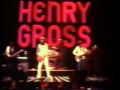
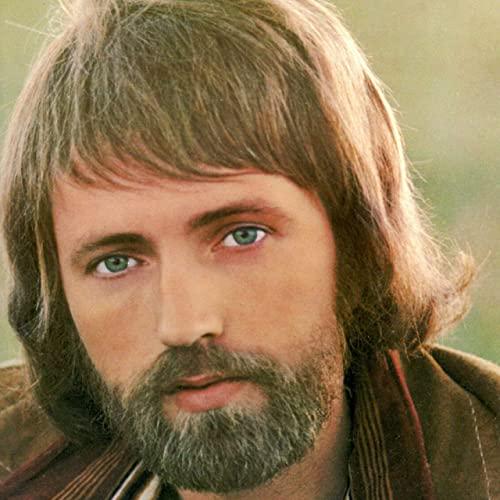
Henry Gross’ Spotify BioBest-known for the soft rock hit "Shannon," singer/songwriter Henry Gross (born April 1, 1951) grew up in a musical family -- his mother briefly performed with New York's Metropolitan Opera Chorus, and Gross himself was playing in the city's clubs by the time he was 14. In 1969, Gross became a founding member of the doo wop revival group Sha Na Na, performing with them at the Fillmore and Woodstock. However, Gross left the group the following year and landed a contract with ABC Dunhill Records in 1971; while his first solo outing didn't receive much attention, Gross persevered and was ultimately signed to A&M Records by producers Cashman & West. 1973's Henry Gross, his first album for A&M, sold well regionally and set the stage for the following year's Plug Me into Something, which took his popularity to another level. Gross then moved to Cashman & West's own label Lifesong for his next effort, Release, which featured the gold single "Shannon," a song inspired by the death of Carl… Wilson's Irish Setter. Despite the popularity of Release and its singles, Gross' follow-up, Show Me to the Stage, didn't produce any hits. After switching to CBS, he issued Love Is the Stuff and released What's in a Name on Capitol in 1981; he also recorded another album for the label that was never released. For several years, Gross returned to the stage, performing in a touring production of Pump Boys and Dinettes before moving to Nashville in 1986. Gross then signed a publishing deal with Pic a Lic Music, releasing I Keep on Rocking and She's My Baby in Japan and Europe. By the '90s, Gross had his own label, Zelda Records, where he released albums like 1993's Nothing but Dreams. He also had a thriving career as a songwriter, penning the Blackhawk hit "Big Guitar" with the band's Henry Paul, as well as writing songs for Ronnie Milsap, Sonny Burgess, Cindy Lauper, Judy Collins, and Mary Travers. ~ Heather Phares, Rovi
Viberate is a music analytics platform built for A&Rs, artist managers, labels, booking agents, marketers, and artists.
It helps music professionals track artist growth, analyze audience data, monitor playlist activity, compare artists, follow song performance, and identify opportunities across the music market.
Public artist pages provide a free preview of selected artist data. Paid plans provide access to deeper analytics, historical data, charts, comparisons, playlist tools, exports, alerts, reports, and additional professional features.
Yes. Public Viberate artist pages provide selected artist analytics and music data for free.
Viberate also offers a 7-day free trial of the full platform. A credit card is required to start the trial. The trial includes access to the complete product so users can test deeper artist analytics, historical views, playlist insights, comparisons, charts, exports, alerts, and reporting features before choosing a paid plan.
Viberate provides artist analytics across streaming, playlists, social media, video, radio airplay, songs, and audience markets.
Users can analyze Spotify performance, Spotify and Apple Music playlists, YouTube activity, TikTok and Instagram growth, radio spins, song performance, audience locations, demographics, rankings, and overall artist momentum.
Artist profiles also connect to music charts, similar artists, and comparison tools, helping users benchmark performance and evaluate artists in context.
Viberate updates key artist and track data daily.
For followed artists and tracks, selected data is refreshed multiple times per day. This helps teams monitor playlist changes, streaming movement, audience growth, releases, and campaign performance with more current data.
Update frequency can vary depending on the metric and data source.
Yes. Viberate lets users compare up to five artists side by side across streaming, social media, audience, and engagement metrics.
Users can compare fanbase growth, audience demographics, locations, Spotify performance, social metrics, and other artist data over selected time periods.
Artist comparison can be used for A&R scouting, benchmarking, booking decisions, campaign planning, and evaluating artists with similar audiences or market positions.