Gallery

Rock
Pop Rock
Mainstream Pop
 Viberate Rank: 139239
 Viberate Rank: 139239
 Monthly ListenersFollowers
 Subscribers
 Followers
 Followers
 FansTop Spotify Songs
| Track | 7-Day Streams | |
|---|---|---|
1 | 19.39K | |
2 | 19.39K | |
3 | 6.46K | |
4 | 6.46K | |
5 | 2.01K |
Top YouTube VideosMonthly ListenersFeatured in Playlists| Playlist | Followers | |
|---|---|---|
1 |  Cruisin' Love Songs thedarkden | 39.00K |
2 | ssupper-naturall FiFiZappa | 28.63K |
3 | 70's ONE Hit Wonders Timothy Scott Palomera | 27.38K |
4 | swebull68 | 21.30K |
5 |  1970s Best Love Songs Jim Ronchetto | 20.78K |
Audience| City | Monthly Listeners | |
|---|---|---|
1 |  | 1.03K |
2 | | 875 |
3 |  | 808 |
4 | | 795 |
5 | | 779 |
See full performance history, audience data, playlist activity, rankings, comparisons, and more in Viberate music analytics. Start with a free trial, then continue with a paid plan.
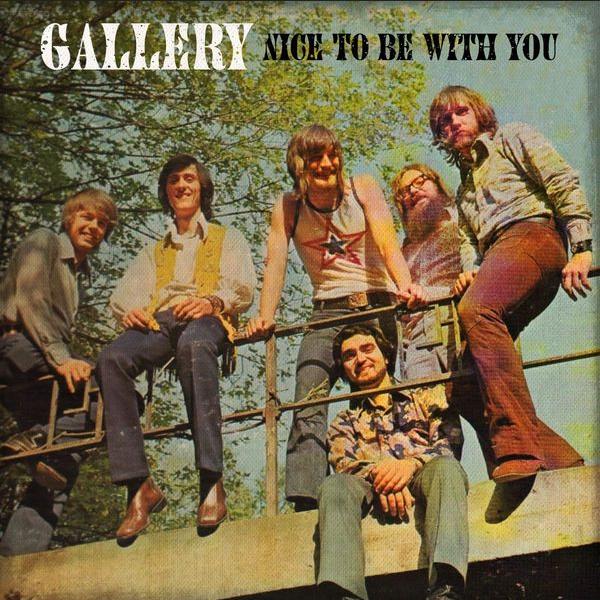
Gallery’s Spotify BioGallery was a soft rock band based in Detroit that centered on the talents of lead singer/guitarist/songwriter Jim Gold. Also featuring bassist/vocalist Dennis Kovarik and steel guitarist Cal Freeman, Gallery signed with the Sussex label and issued their debut album, Nice to Be With You, in 1972; it was co-produced by Dennis Coffey of "Scorpio" fame. The sweet title cut became a Top Five smash and the follow-ups -- Mac Davis' "I Believe in Music" and "Big City Miss Ruth Ann" -- both reached the Top 40. For their 1973 follow-up album, Gallery began billing Jim Gold out front and titled the record eponymously; they also fleshed out their studio musician-augmented lineup into an official band, with drummer Danny Brucato and second guitarist Fred DiCenso. However, the album didn't produce any further hits for the group; after one last one-off single, "Love Every Little Thing About You," Gallery disbanded and Gold embarked on a solo career that produced a couple of albums in the late '70s.… ~ Steve Huey, Rovi
Viberate is a music analytics platform built for A&Rs, artist managers, labels, booking agents, marketers, and artists.
It helps music professionals track artist growth, analyze audience data, monitor playlist activity, compare artists, follow song performance, and identify opportunities across the music market.
Public artist pages provide a free preview of selected artist data. Paid plans provide access to deeper analytics, historical data, charts, comparisons, playlist tools, exports, alerts, reports, and additional professional features.
Yes. Public Viberate artist pages provide selected artist analytics and music data for free.
Viberate also offers a 7-day free trial of the full platform. A credit card is required to start the trial. The trial includes access to the complete product so users can test deeper artist analytics, historical views, playlist insights, comparisons, charts, exports, alerts, and reporting features before choosing a paid plan.
Viberate provides artist analytics across streaming, playlists, social media, video, radio airplay, songs, and audience markets.
Users can analyze Spotify performance, Spotify and Apple Music playlists, YouTube activity, TikTok and Instagram growth, radio spins, song performance, audience locations, demographics, rankings, and overall artist momentum.
Artist profiles also connect to music charts, similar artists, and comparison tools, helping users benchmark performance and evaluate artists in context.
Viberate updates key artist and track data daily.
For followed artists and tracks, selected data is refreshed multiple times per day. This helps teams monitor playlist changes, streaming movement, audience growth, releases, and campaign performance with more current data.
Update frequency can vary depending on the metric and data source.
Yes. Viberate lets users compare up to five artists side by side across streaming, social media, audience, and engagement metrics.
Users can compare fanbase growth, audience demographics, locations, Spotify performance, social metrics, and other artist data over selected time periods.
Artist comparison can be used for A&R scouting, benchmarking, booking decisions, campaign planning, and evaluating artists with similar audiences or market positions.