Chastain

Metal
Power Metal
Speed Metal
 Viberate Rank: 171894
 Viberate Rank: 171894
 Monthly ListenersFollowers
 Subscribers
 Followers
 Followers
 FansTop Spotify Songs
| Track | 7-Day Streams | |
|---|---|---|
1 | 1.53K | |
2 | 1.33K | |
3 | 1.33K | |
4 | 984 | |
5 | 873 |
Top YouTube VideosMonthly ListenersFeatured in Playlists| Playlist | Followers | |
|---|---|---|
1 |  FENRIZ METAL Gylve | 32.35K |
2 | Heavy Metal Ballads Kenneth Eriksen | 12.16K |
3 |  Reddit not all metal is insane noise & screaming dustbutt | 11.19K |
4 |  Hårdrock !! Markus Hårdis Andersson | 8.34K |
5 |  TESTOSTERONA RADIO Eduardo Mendes | 7.81K |
Audience| City | Monthly Listeners | |
|---|---|---|
1 |  | 269 |
2 |  | 226 |
3 |  | 225 |
4 |  | 198 |
5 |  | 150 |
See full performance history, audience data, playlist activity, rankings, comparisons, and more in Viberate music analytics. Start with a free trial, then continue with a paid plan.
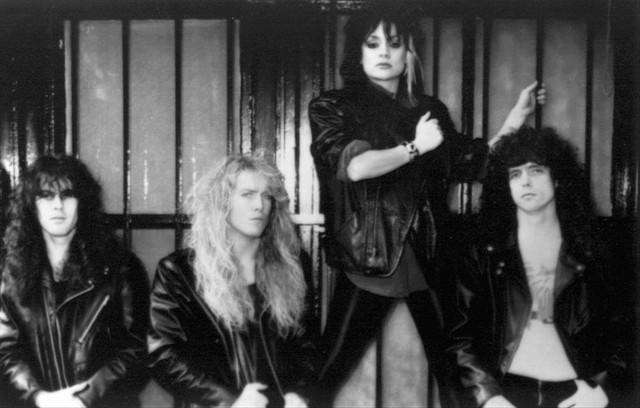
Chastain’s Spotify BioOne of numerous musical projects spearheaded by indefatigable guitarist David T. Chastain, the heavy metal band that bears his name has been a fixture in America's underground metal scene for over three decades, but has rarely reared its head aboveground. First formed in 1984 in Cincinnati, Ohio, Chastain was immediately signed to the shred-loving Shrapnel label, and featured ex-Rude Girl vocalist Leather Leone, bassist Mike Skimmerhorn, and future Cinderella drummer Fred Coury. This quartet performed on Chastain's debut, Mystery of Illusion, later that year, but sub-standard production values severely hindered its prospects in an increasingly refined heavy metal marketplace. Much better was 1986's Ruler of the Wasteland, which was recorded with Coury's successor Ken Mary and, along with 1987's The 7th of Never, is still considered by many to be one of Chastain's finest hours. New bassist David Harbour made his debut on 1988's Voice of the Cult, and 1990's For Those Who Dare saw one… John Luke Hebert replacing Mary (who was off to join Alice Cooper). As if on cue, grunge took over in a big way during the early '90s, driving heavy metal into the cellar and David Chastain into other solo pursuits. It wasn't until 1995 that a new Chastain album, Sick Society, would surface, and even though the band's basic metal sound remained intact, both it and 1997's In Dementia contained a new lineup rounded out by singer Kate French, bassist Kevin Kekes, and former Trouble drummer Dennis Lesh. This second coming was to be a brief one, however, and Chastain would once again vanish for many years before finally returning with 2004's In an Outrage album. Following yet another lengthy hiatus, Chastain offered a near-complete reunion in 2013 with both Leone and original bassist Skimmerhorn returning to the fold alongside newcomer Stian Kristoffersen on drums. Beginning with 2013's defiant Surrender to No One, this mostly classic lineup seemed to stick, returning in 2015 with We Bleed Metal and again in 2017 with Chastainium. ~ Eduardo Rivadavia, Rovi
Viberate is a music analytics platform built for A&Rs, artist managers, labels, booking agents, marketers, and artists.
It helps music professionals track artist growth, analyze audience data, monitor playlist activity, compare artists, follow song performance, and identify opportunities across the music market.
Public artist pages provide a free preview of selected artist data. Paid plans provide access to deeper analytics, historical data, charts, comparisons, playlist tools, exports, alerts, reports, and additional professional features.
Yes. Public Viberate artist pages provide selected artist analytics and music data for free.
Viberate also offers a 7-day free trial of the full platform. A credit card is required to start the trial. The trial includes access to the complete product so users can test deeper artist analytics, historical views, playlist insights, comparisons, charts, exports, alerts, and reporting features before choosing a paid plan.
Viberate provides artist analytics across streaming, playlists, social media, video, radio airplay, songs, and audience markets.
Users can analyze Spotify performance, Spotify and Apple Music playlists, YouTube activity, TikTok and Instagram growth, radio spins, song performance, audience locations, demographics, rankings, and overall artist momentum.
Artist profiles also connect to music charts, similar artists, and comparison tools, helping users benchmark performance and evaluate artists in context.
Viberate updates key artist and track data daily.
For followed artists and tracks, selected data is refreshed multiple times per day. This helps teams monitor playlist changes, streaming movement, audience growth, releases, and campaign performance with more current data.
Update frequency can vary depending on the metric and data source.
Yes. Viberate lets users compare up to five artists side by side across streaming, social media, audience, and engagement metrics.
Users can compare fanbase growth, audience demographics, locations, Spotify performance, social metrics, and other artist data over selected time periods.
Artist comparison can be used for A&R scouting, benchmarking, booking decisions, campaign planning, and evaluating artists with similar audiences or market positions.